
A sharp rise in North Kivu and continuing surveillance gaps are complicating efforts to contain the outbreak….reports Africa Daily News Desk
The Ebola outbreak in the Democratic Republic of the Congo (DRC) remains uncontrolled despite signs of progress in some affected areas, with cases rising sharply in the eastern province of North Kivu, a senior World Health Organisation (WHO) official said on Wednesday.
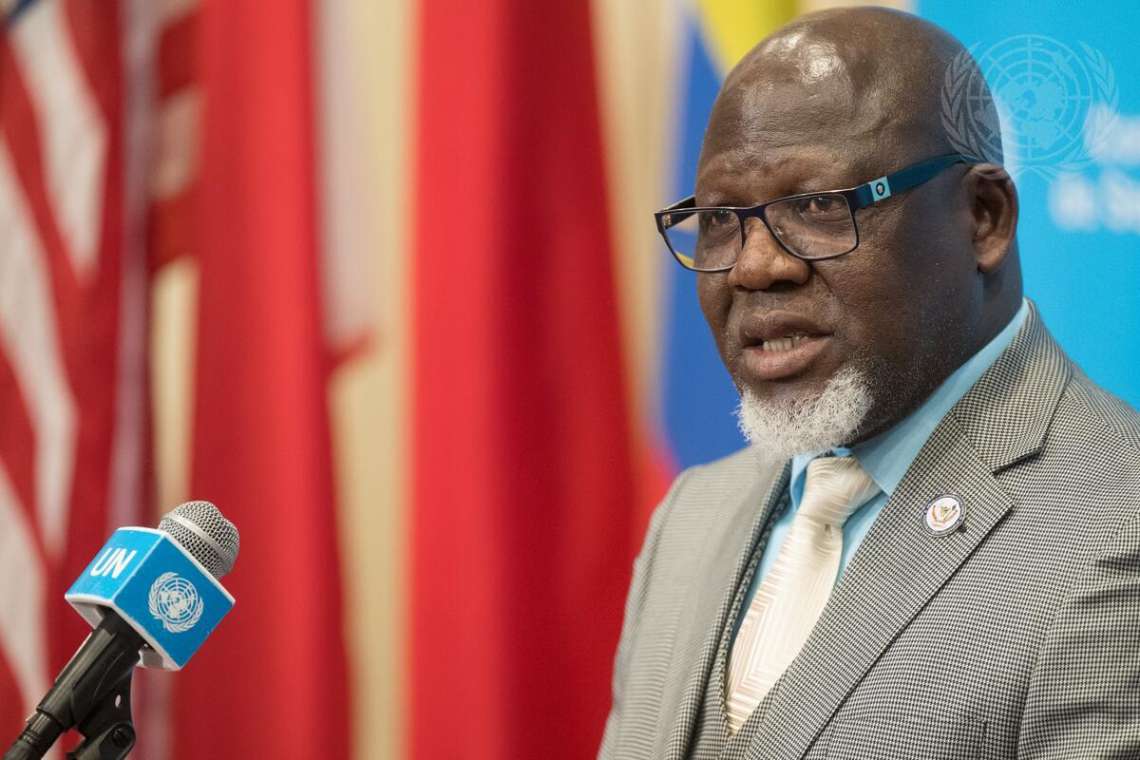
Marie Roseline Belizaire, director of the WHO emergencies programme in the African region, said the situation continued to vary significantly between provinces.
According to DRC health authorities, the country had recorded 7,773 confirmed Ebola cases, including 3,759 deaths, as of Monday.
“We are beginning to see the first encouraging signs of progress,” Belizaire said during an online press briefing.
Between August 31 and September 20, the number of cases in Ituri Province, the long time epicentre of the outbreak, declined by about 26 per cent, while Haut Uele recorded a decrease of around 15 per cent.
North Kivu, however, saw cases increase by 73 per cent over the same period, highlighting the uneven nature of the outbreak across the affected areas.
“This clearly shows that the outbreak continues to evolve differently across the affected areas,” Belizaire said, noting that each of the seven affected provinces had its own transmission pattern, Xinhua News Agency reported.
Despite the decline in cases in some provinces, Belizaire stressed that the overall outbreak remained a serious concern.
“The outbreak is still not under control,” she said. “This outbreak continues to pose a significant risk to regional and global health security.”
Children under the age of five remain particularly vulnerable to the disease. According to the WHO official, the case fatality rate among children in this age group is more than 60 per cent, compared with about 40 per cent among adults.
The WHO has also recorded improvements in contact tracing, with follow up of identified contacts reaching nearly 88 per cent.
However, Belizaire said a significant number of new infections were still being detected without a known epidemiological link. The situation points to continuing gaps in surveillance and the ability to identify chains of transmission early.
She said the response now needed to concentrate resources on areas where transmission and risks were highest, while ensuring that essential health services continued to operate.
“We must consolidate the progress made in Ituri, strengthen the response in North Kivu and other emerging hotspots, detect cases earlier, reduce community deaths, and maintain strong cross-border preparedness,” she said.
The differing trends across the affected provinces mean health authorities face the challenge of containing transmission in areas where cases are declining while rapidly strengthening measures in emerging hotspots.
The WHO has also stressed the importance of cross border preparedness as health authorities respond to the outbreak, particularly in areas where communities and populations move across provincial and national boundaries.
The outbreak, declared in May, has become the largest and deadliest Ebola outbreak recorded in the DRC and the second largest Ebola outbreak globally, after the 2014 to 2016 West Africa epidemic.
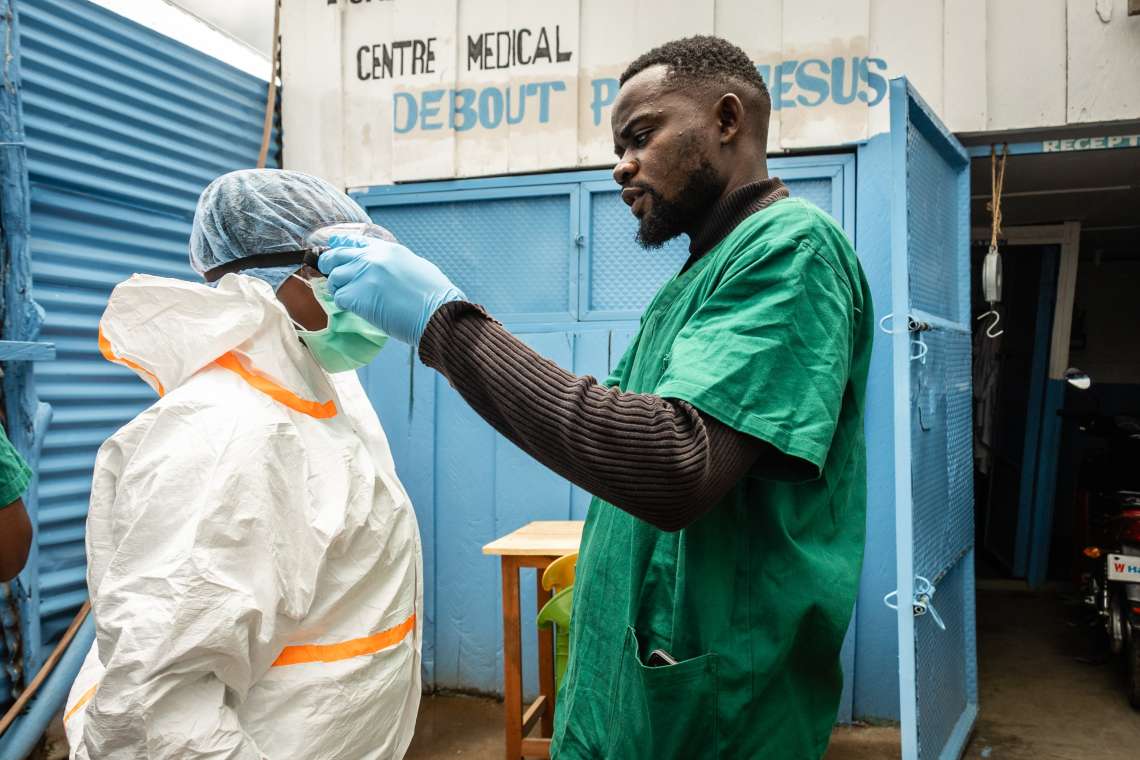
Health authorities and international partners continue to focus on case detection, contact tracing, treatment and community health measures as they seek to contain the spread.