
The World Food Programme estimates that at least 49 million more people could face acute food insecurity by the end of 2027 as El Niño disrupts rainfall and temperatures. Central America and southern Africa are expected to be among the hardest-hit regions….reports Africa Daily News Desk
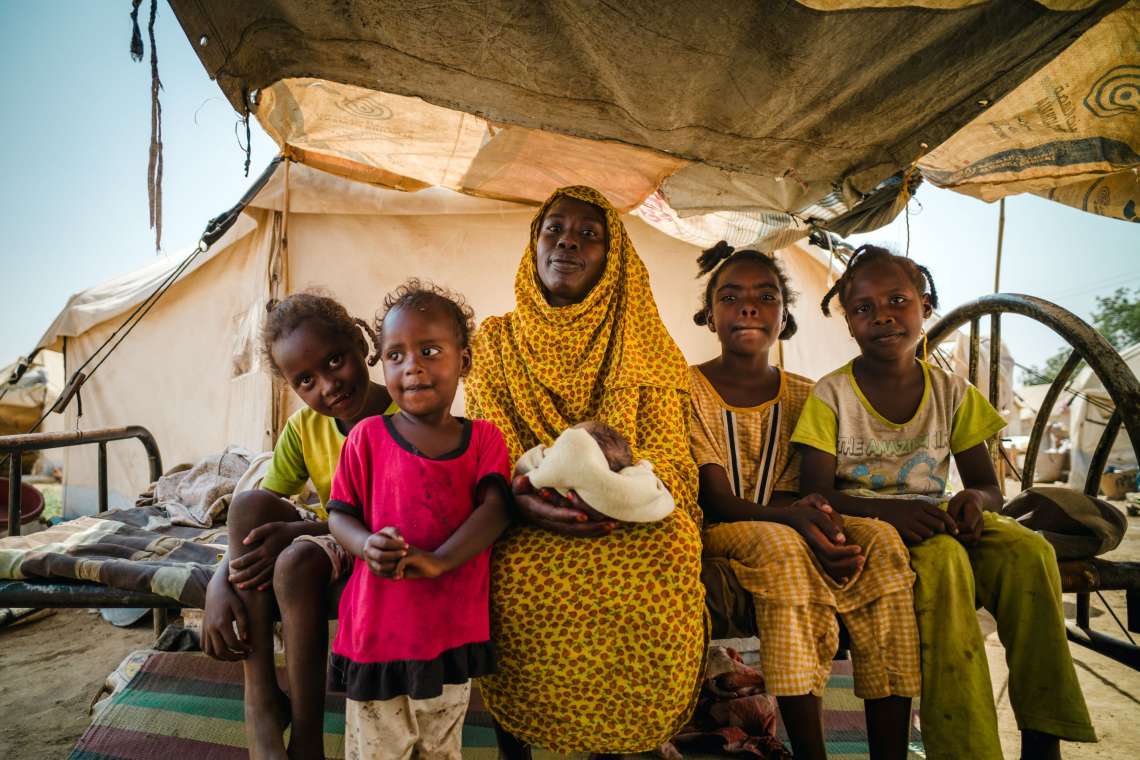
El Niño could push at least 49 million more people into acute food insecurity by the end of 2027, with some of the world’s most vulnerable countries facing worsening droughts, floods and extreme temperatures, according to an analysis by the United Nations World Food Programme (WFP).
The agency said the strengthening El Niño weather pattern is expected to peak between September and December 2026, but its effects could continue into 2027 because of disruptions to planting and harvest cycles.
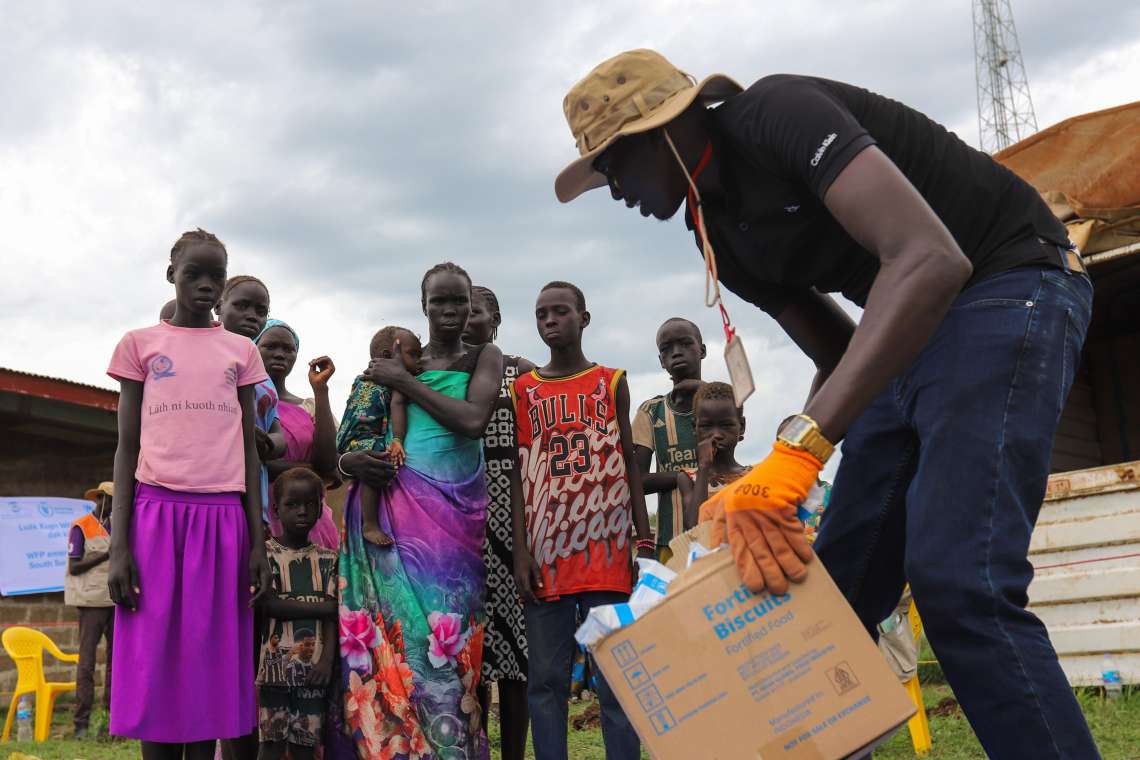
WFP said it is scaling up preparedness and early-response measures as climate-related impacts are already affecting vulnerable communities. Acting Executive Director Carl Skau described El Niño as a “massive threat” to millions of people already facing food insecurity.
“The sooner we help families to prepare for these climate shocks, the greater our ability to save lives and protect livelihoods,” Skau said. He added that severe floods and droughts could quickly push communities from coping with hardship into crisis.
WFP said it has already begun early response efforts in eight countries and has anticipatory action plans in more than 50 countries, working with governments and organisations including the Food and Agriculture Organization (FAO) and the UN Office for the Coordination of Humanitarian Affairs.
Since May, the agency has activated anticipatory action plans in South Sudan, Chad, Mauritania, Uganda, Guatemala and El Salvador. More than USD 14 million has been provided through these measures to support around 500,000 people, according to WFP.
The agency said the funding includes mechanisms such as disaster risk insurance, credit facilities and digital payments, allowing resources to reach vulnerable communities before climate shocks intensify.
WFP said previous experience showed the economic value of acting before disasters occur. For every USD 1 invested in anticipatory programmes, between USD 3 and USD 7 can potentially be saved through avoided losses and reduced response costs.
The agency’s analysis examined 45 countries already facing food insecurity where El Niño is expected to significantly influence rainfall, temperatures, floods and droughts.
Across those countries, the number of people facing acute food insecurity could rise from around 225 million to 274 million by the end of 2027, representing an increase of about 22 per cent.
The projected increase would be concentrated in several regions, with Central America and southern Africa expected to face some of the most severe effects. Eastern Africa, as well as parts of South and Southeast Asia, are also expected to experience significant impacts.
In Latin America and the Caribbean, more than 16 million additional people could face worsening food insecurity. Central America is projected to record the largest proportional increase among the areas analysed, at 83.1 per cent.
East and Southern Africa could see more than 18 million additional people affected, representing a 26 per cent increase. WFP said southern African countries are particularly vulnerable because many households depend heavily on rain-fed agriculture.
In Asia and the Pacific, around 8.2 million additional people could face acute food insecurity, while West and Central Africa could see a 12 per cent increase, affecting nearly six million additional people.
WFP warned that the effects will vary between countries. Some areas are already experiencing below-average rainfall, flooding or unusually high temperatures, while others could face worsening conditions during upcoming planting and harvesting seasons.
Countries already dealing with poverty, conflict, economic instability and repeated climate shocks are expected to be particularly vulnerable.
WFP and FAO have appealed for increased international support to help communities prepare for the anticipated impacts of El Niño between June 2026 and March 2027, with the agencies urging early action to protect lives, livelihoods and food security before climate emergencies escalate.