
Aid workers say rising fuel prices linked to the Iran conflict have intensified food insecurity in northern Nigeria, where growing numbers of children are relapsing into malnutrition amid economic hardship…reports Asian Lite News Desk
The ripple effects of the conflict between Iran and Israel are being felt far beyond the Middle East, with aid workers in northern Nigeria warning that rising fuel costs and worsening economic conditions are pushing more children back into malnutrition.
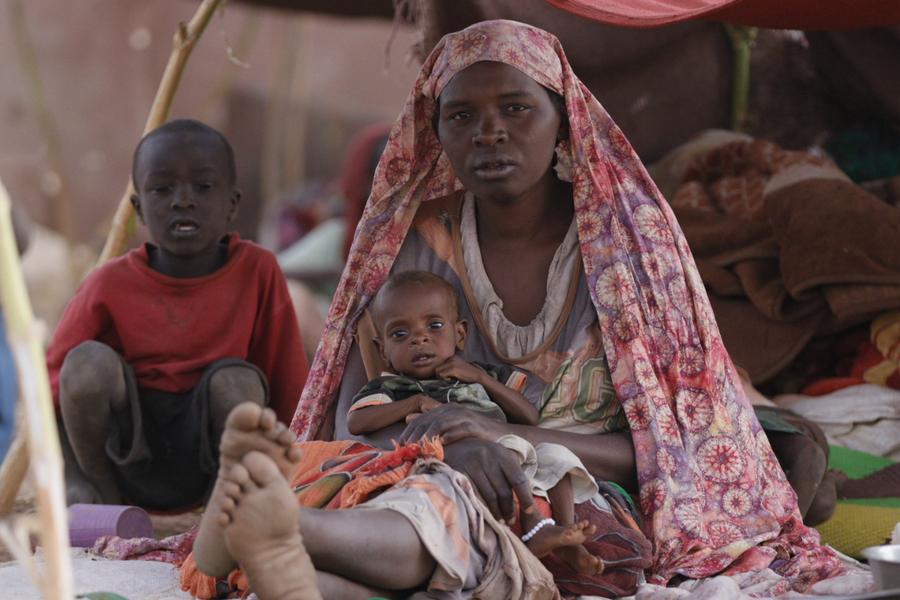
For Maryam Aminu, a mother of six living in the town of Kware in Sokoto State, the diagnosis of her youngest child with malnutrition for a second time came as no surprise.
Her 18-month-old daughter was diagnosed again in April after the family struggled to provide regular meals, let alone a nutritious diet.
Although the family had long faced financial hardship, their situation worsened significantly after February when Maryam’s husband, Shehu Aminu, lost his job as a taxi driver following a sharp increase in petrol prices. The rise in fuel costs was linked to disruption in global energy markets caused by the conflict involving Iran.
“When she was diagnosed the second time, even though I suspected it, I was sad and angry because I knew why,” Maryam Aminu said.
“Times are tough, and the food is not consistent.”
Her family’s experience reflects a wider trend emerging across northern Nigeria, where local health professionals and humanitarian organisations say increasing numbers of children are relapsing into malnutrition after previously recovering.
Aid workers in Sokoto State and other parts of northern Nigeria say the economic shock caused by rising fuel prices has made it harder for families already living in poverty to buy enough food. Higher transport costs have also increased the price of basic commodities, placing nutritious food beyond the reach of many households.
Northern Nigeria was already facing significant humanitarian challenges before the latest economic pressures emerged. The region continues to struggle with insecurity linked to armed insurgencies, displacement of communities and limited access to healthcare and employment.
The additional strain created by the global energy crisis has further weakened household incomes and reduced families’ ability to cope with rising living costs.
Children have been among the hardest hit. Health workers say that many who successfully completed treatment for acute malnutrition are returning to clinics after their nutritional condition deteriorated once again.
Repeated episodes of malnutrition can have long-term consequences for children’s physical growth, brain development and immune systems, increasing their vulnerability to disease and reducing educational outcomes later in life.
The humanitarian situation has also been compounded by broader economic reforms introduced by the Nigerian government.
President Bola Tinubu removed longstanding fuel subsidies shortly after taking office and implemented currency reforms that led to a sharp depreciation of the naira. While the measures were intended to strengthen the economy over the longer term, they have also contributed to a significant rise in inflation and the cost of living.
The combination of domestic economic reforms and higher global energy prices has placed additional pressure on millions of Nigerians already struggling to afford food and other essentials.
According to a World Bank technical report released this week, around 139 million Nigerians are now classified as poor or vulnerable to poverty.
The report highlights the scale of the country’s economic challenges and the growing risks facing low-income households, particularly in regions already affected by conflict and underdevelopment.
Humanitarian organisations continue to provide nutritional support programmes across northern Nigeria, but aid workers say demand is increasing rapidly as more families seek assistance.
Health officials have warned that unless food security improves and household incomes recover, more children are likely to experience repeated episodes of malnutrition, placing additional strain on already stretched healthcare services.
For families such as the Aminus, the crisis is measured not in economic statistics but in the daily struggle to provide enough food for their children.
As global conflicts continue to affect energy markets and domestic economic pressures persist, humanitarian agencies say the situation in northern Nigeria demonstrates how international events can have devastating consequences for vulnerable communities thousands of miles away.
With millions of Nigerians already living in poverty and food prices remaining high, aid organisations warn that protecting children from malnutrition will require sustained humanitarian support alongside broader efforts to improve economic stability, strengthen food systems and ensure families can once again afford regular, nutritious meals.