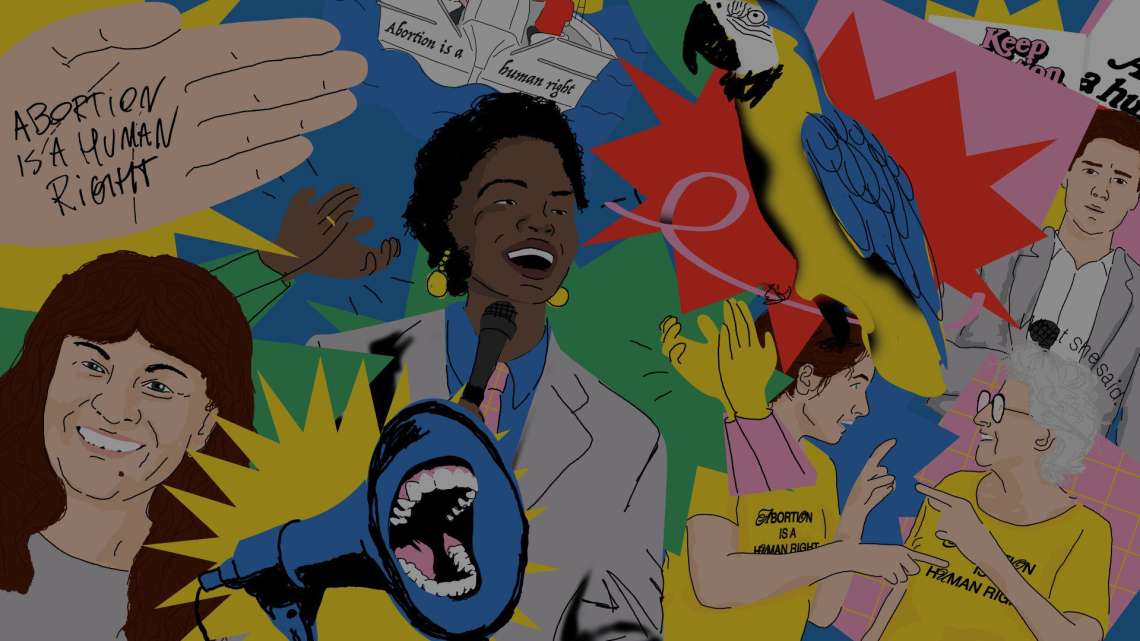

The Trump administration’s expanded anti-abortion agenda is reshaping reproductive health policy across Africa, where aid-dependent healthcare systems are already under strain…reports Africa Daily News Desk
The Trump administration’s renewed campaign against abortion is reverberating across Africa, where governments, healthcare providers and advocacy groups are grappling with the consequences of tighter US funding restrictions and a growing push by conservative organisations to influence reproductive health policies.
According to an Associated Press (AP) report, the administration has introduced sweeping restrictions on US funding for foreign governments, non-governmental organisations and UN agencies that support abortion-related services, gender-affirming care or diversity initiatives abroad. The measures build on previous policies limiting overseas funding for organisations linked to abortion but significantly broaden their scope.
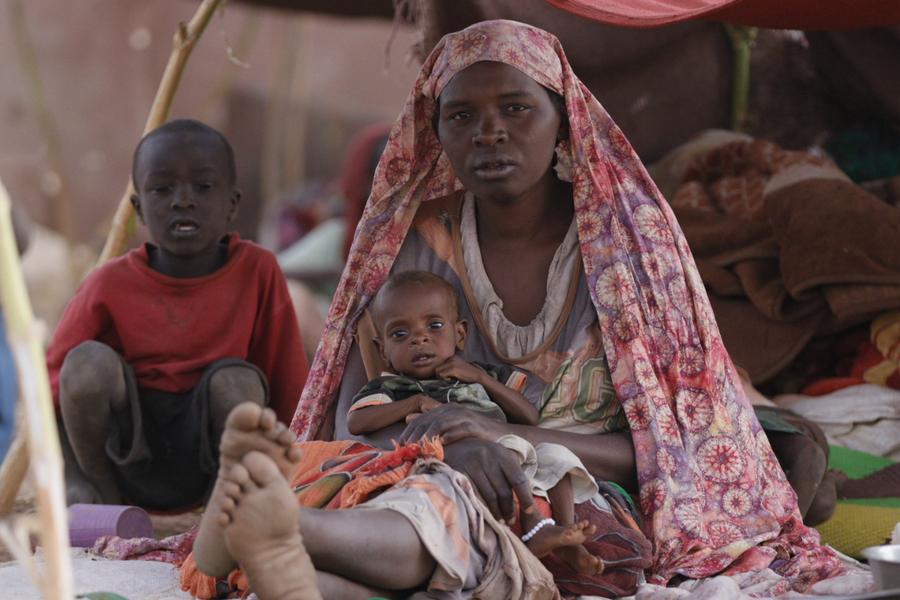
The policy shift comes as sub-Saharan Africa continues to record some of the world’s highest maternal mortality rates. The region accounts for around 70 per cent of global maternal deaths, with an estimated 180,000 women dying each year from pregnancy-related causes. Unsafe abortions remain a major contributor, particularly in countries where access to legal reproductive healthcare is limited.
Supporters of the new US approach argue it reflects a commitment to protecting unborn life and promoting traditional family values. Speaking to AP, Nicole Hunt of the conservative Christian organisation Focus on the Family said the United States now had an opportunity to pursue a more consistent “pro-life ethic” through its overseas assistance programmes.
However, reproductive health advocates warn the changes could have far-reaching consequences in Africa, where many healthcare systems rely heavily on international aid. Nardos Hagos of the International Planned Parenthood Federation told AP that many organisations supporting reproductive healthcare now find themselves increasingly isolated as key international donors shift their priorities. She warned that the result could be more unsafe abortions and more preventable maternal deaths.
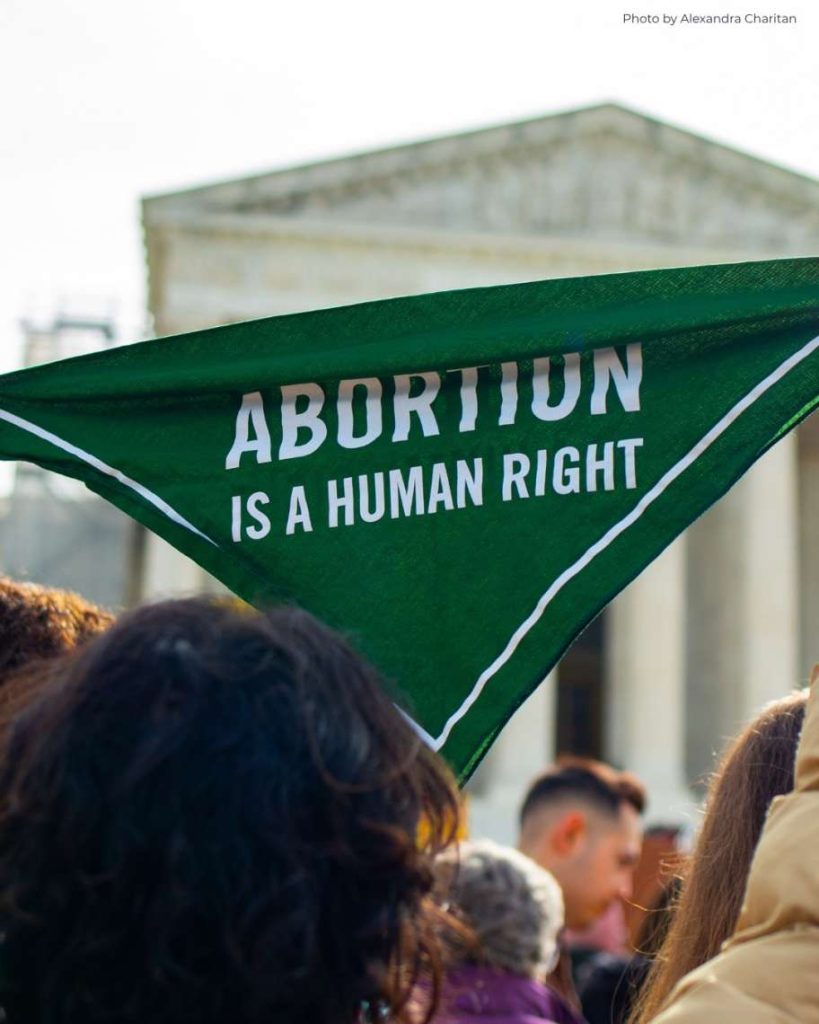
The debate also centres on the Maputo Protocol, an African Union treaty that recognises access to abortion in specific circumstances, including rape, incest, severe fetal impairment or risks to a woman’s health. Although many African nations have ratified the agreement, implementation has been uneven, leaving millions of women to seek unsafe procedures outside formal healthcare systems.
Research cited by AP indicates that funding from several US anti-abortion organisations operating in Africa has increased in recent years. Analysts say publicly available financial records represent only part of the overall picture because some religious organisations are not required to disclose detailed overseas spending.
At the same time, healthcare providers say abortion clinics and reproductive rights groups have faced increasing harassment. Workers in Kenya described online abuse, while organisations operating elsewhere in Africa reported legal challenges, intimidation and pressure from conservative groups. Some providers said the growing hostility has made staff fearful of carrying out their work.
Conservative organisations reject accusations that they are undermining women’s health. They argue their campaigns are intended to strengthen families and encourage governments to adopt policies consistent with religious and cultural values. At a conference in Nairobi last year, campaigners from Africa, Europe and the United States discussed strategies for promoting family-centred legislation across the continent.
Kenya illustrates the complexity of the issue. While the country’s constitution permits abortion under limited circumstances, colonial-era criminal laws remain in force, creating legal uncertainty for patients and medical professionals alike. Public hospitals rarely provide abortion services, leaving many women to turn to expensive private clinics or unsafe clandestine procedures.
Doctors working in public hospitals say they regularly treat women suffering severe complications from unsafe abortions, including life-threatening bleeding and infections. Health workers argue that delays in accessing appropriate medical care continue to cost lives, particularly in rural communities where reproductive health services remain limited and abortion carries significant social stigma.
The US State Department has defended the administration’s policy, saying American taxpayers expect overseas assistance to support programmes that save lives and reflect US values rather than fund abortion-related activities. It said US foreign assistance would continue to support a broad range of maternal and child health programmes under the America First Global Health Strategy.
The debate reflects a broader ideological contest over reproductive rights that is increasingly shaping public policy in Africa. As governments weigh competing pressures from international donors, religious organisations and public health experts, healthcare workers warn that the consequences will ultimately be measured in the lives and wellbeing of women across the continent.