
Pretoria rejected a petition filed at the International Criminal Court by two Ghanaian civilians, insisting its domestic legal system is fully equipped to deal with hate crimes….reports Africa Daily News Desk
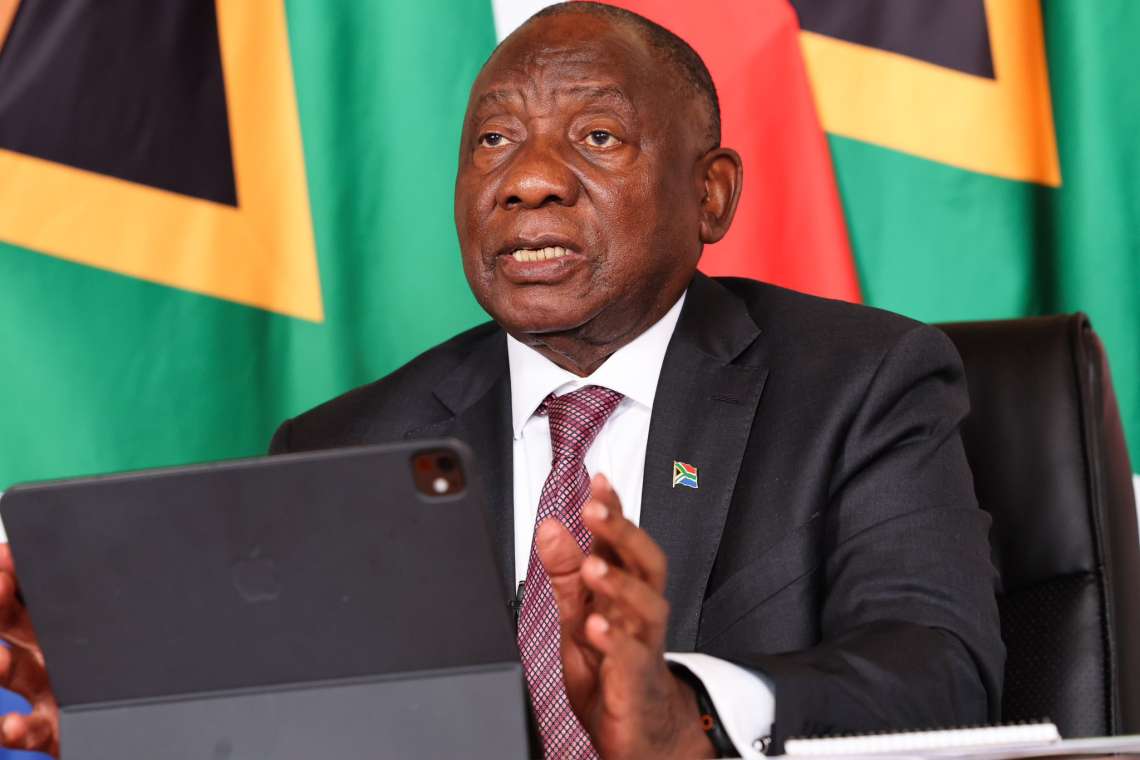
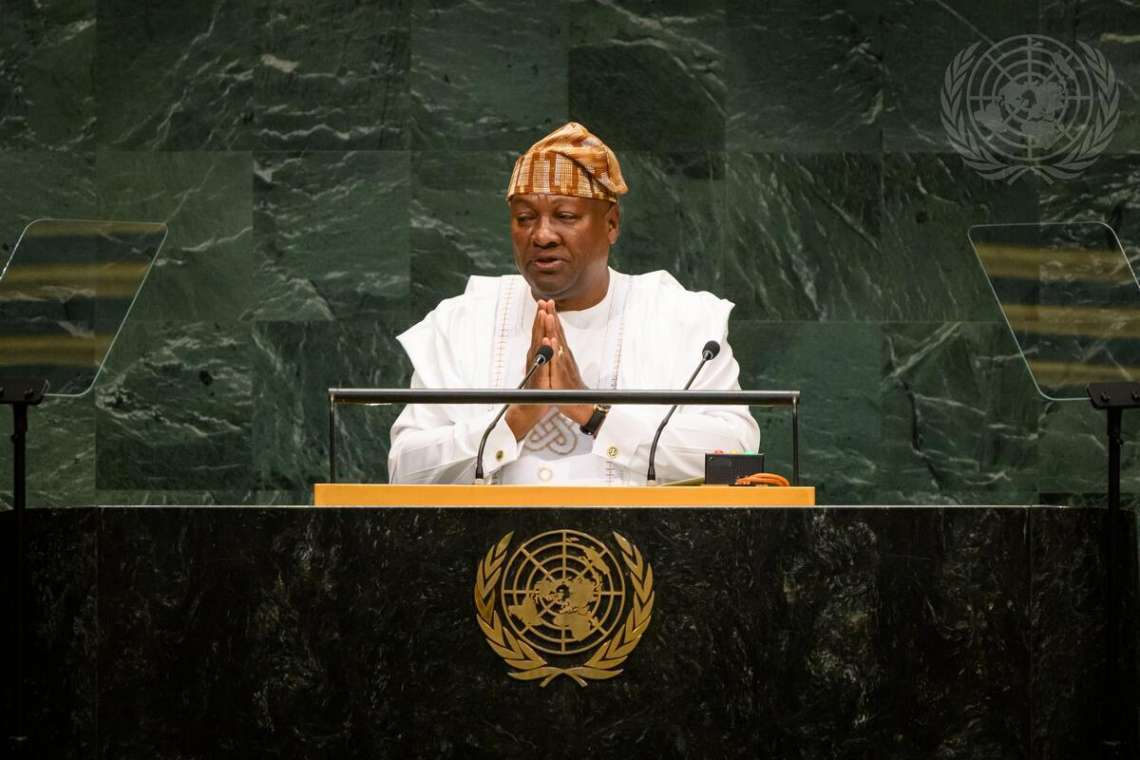
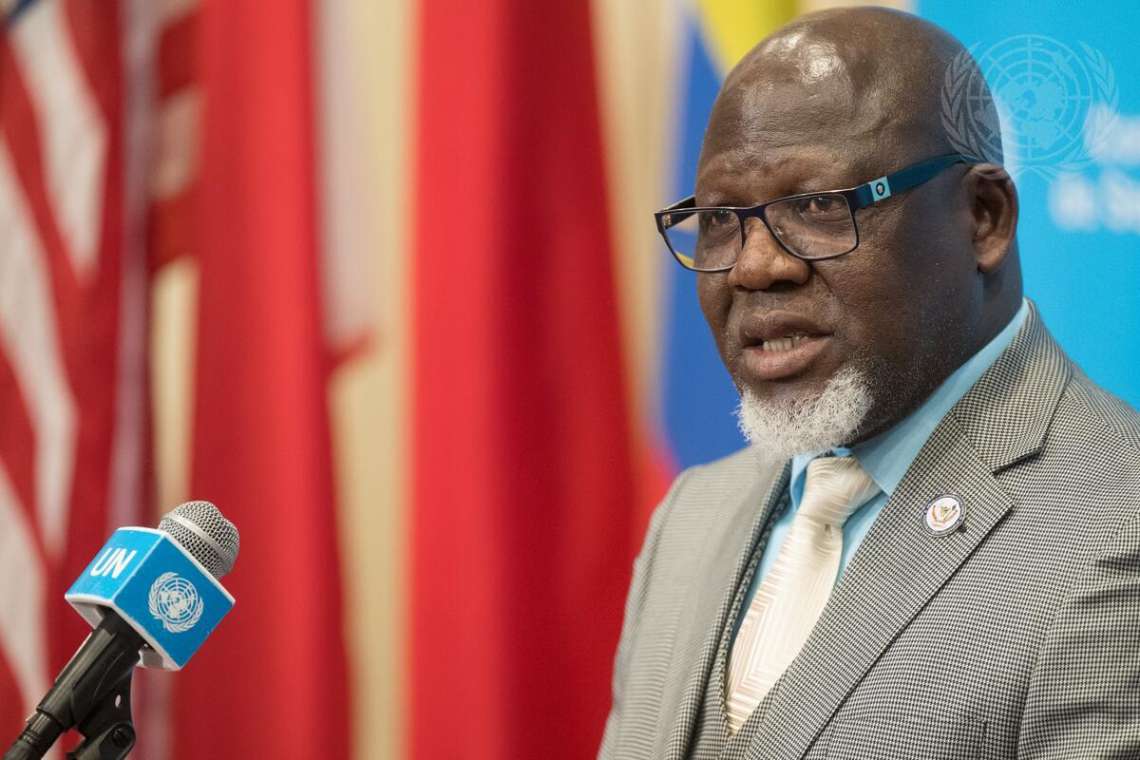
South Africa has reaffirmed its commitment to strengthening relations with West African countries, including Ghana and Nigeria, while rejecting xenophobia and dismissing an International Criminal Court (ICC) petition filed by two Ghanaian civilians, following concerns raised during the Economic Community of West African States (ECOWAS) summit.
In a statement issued on Thursday, South Africa’s Ministry of International Relations and Cooperation said it had noted the final communiqué adopted at the 69th Ordinary Session of the ECOWAS Authority of Heads of State and Government.
The ministry described ECOWAS as a key pillar of African integration and reiterated South Africa’s commitment to engaging constructively with West African partners on issues including regional stability and migration management.
Pretoria stressed that it remained firmly opposed to all forms of discrimination.
“South Africa reiterates, in the strongest terms, its unyielding stance against all forms of social prejudice. We categorically reject xenophobia, racism, homophobia, and intolerance and discrimination in all their manifestations,” the ministry said.
It added that protecting the dignity of everyone within South Africa’s borders was both a constitutional obligation and a moral responsibility.
The government also said it remained committed to upholding the rule of law and ensuring that those responsible for violence or unlawful acts were held accountable through the country’s judicial system.
While acknowledging ongoing engagement with West African partners, South Africa said it was continuing to address specific bilateral issues with countries including Ghana and Nigeria.
It noted, however, that the country’s largest migration flows were naturally concentrated within the Southern African Development Community (SADC), reflecting regional movement patterns.
Minister of International Relations and Cooperation Ronald Lamola also called for migration to become a standing agenda item at African Union Heads of State summits, arguing that the continent needed to address the underlying causes of irregular migration.
“Establishing a dedicated agenda item at the African Union to address the primary push-and-pull factors and root causes of irregular migration, focusing squarely on good governance, democracy, and economic stability, will enable a pragmatic, comprehensive approach to continental migration challenges,” Lamola said.
South Africa also responded to a petition lodged with the International Criminal Court by two Ghanaian civilians, describing the move as legally unfounded.
The ministry said the petition did not meet the statutory legal thresholds or jurisdictional requirements for ICC intervention.
It further argued that, under the principle of complementarity, South Africa’s domestic legal framework was fully capable of investigating and prosecuting offences related to hate crimes and hate speech.
The ministry pointed to the Prevention and Combating of Hate Crimes and Hate Speech Act, saying the legislation fulfilled South Africa’s constitutional and international obligations to combat racism, xenophobia and related forms of intolerance.
According to the government, the law provides for the prosecution of individuals found guilty of committing hate crimes or hate speech, reinforcing South Africa’s commitment to protecting human rights and ensuring accountability.