
President Cyril Ramaphosa led the reburial at Kinderle Monument after a long repatriation process, Newsdesk reports
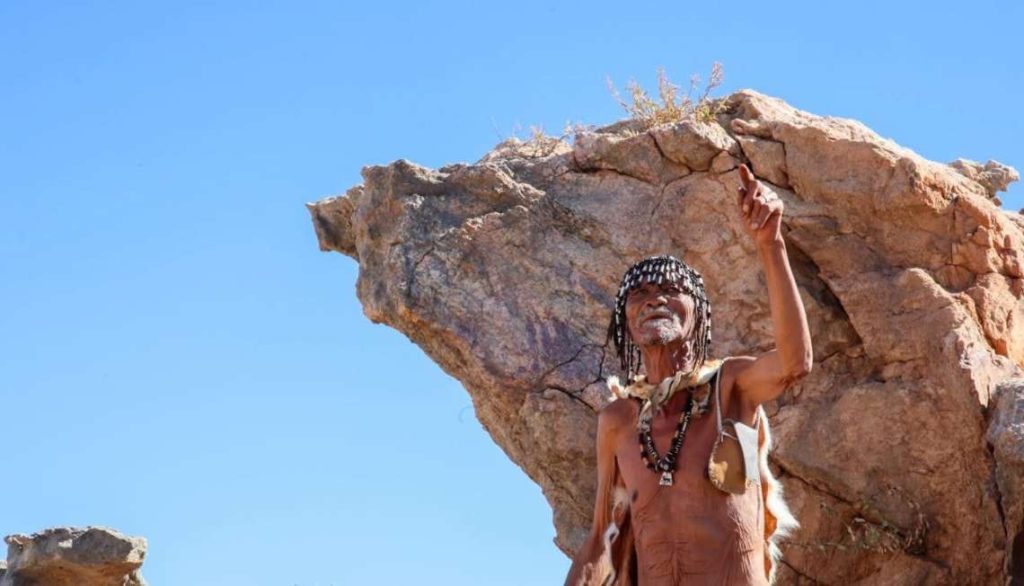
In a powerful act of remembrance and restitution, South Africa on Monday reburied the ancestral remains of 63 indigenous people, including members of the Khoi and San communities, after their return from Europe following decades of displacement during the colonial era, according to Xinhua.
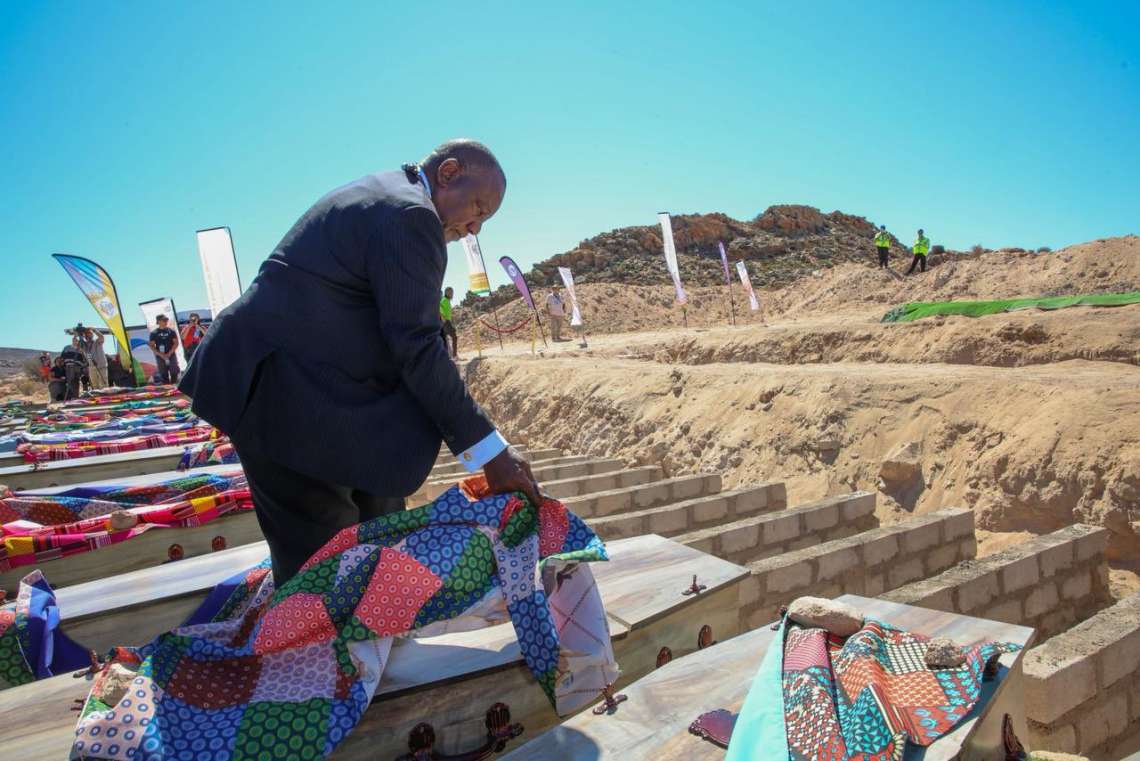
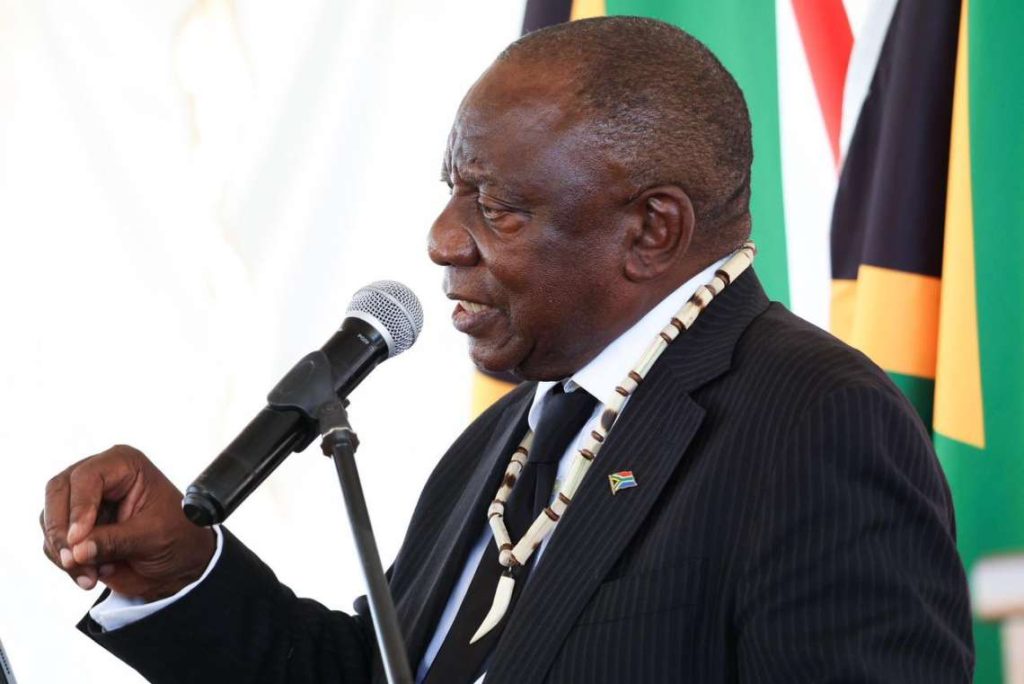
President Cyril Ramaphosa led the ceremony at the Kinderle Monument in Northern Cape province, where the remains were finally laid to rest after a long repatriation process involving South African authorities and institutions overseas, Xinhua reported.
The remains, some of which had been held in European museums for over a century, included six individuals repatriated from Scotland and others preserved at Iziko Museums, formerly known as the South African Museum. Many had been exhumed without consent between the late 19th and early 20th centuries, during a time when indigenous remains were collected and studied under racist scientific practices.
President Cyril Ramaphosa on Monday said South Africa is committed to restoring dignity to victims of colonial injustice as the country reburied the ancestral remains of indigenous people returned from Europe.
Addressing a ceremony at the Kinderlê Monument in Northern Cape, Ramaphosa described the reburial as a crucial step in confronting a painful past in which the Khoi, San and other indigenous communities were dispossessed of their land, culture and humanity.
“A dignified burial is the least we can do to honour those who were victims of a terrible past,” he said, noting that many of the remains had been exhumed without consent and taken to Europe during the colonial era.
He said indigenous people were not only subjected to violence and exploitation in life but were also denied dignity in death, as their remains were removed from graves and used in racist scientific studies. “Not even death would spare them from indignity,” he said.
The president noted that some individuals were taken abroad and exhibited as curiosities, while others, including the remains returned this week, were held in museums and institutions for decades.
Ramaphosa said the reburial followed a long process of engagement between South African authorities and international institutions, including the Iziko Museums, the South African Heritage Resources Agency and the Hunterian Museum in Scotland.
He described the return of the remains as an important act of restitution and reconciliation, rooted in the principle of ubuntu and the recognition of shared humanity.
The ceremony took place at Kinderlê, a site chosen for its historical significance, including the killing of 32 Nama children in 1867. Ramaphosa said the location symbolises both remembrance and a commitment to unity despite the divisions of the past.
He added that South Africa’s Constitution mandates efforts to heal historical injustices and advance social justice, including through land restitution, cultural revival and support for indigenous communities.
“Our Constitution obliges us to advance restitution for all those who were victims of colonial and apartheid atrocities,” he said.
Ramaphosa reaffirmed the government’s commitment to repatriating human remains and cultural artefacts taken during colonialism, saying partnerships with global institutions would continue to ensure that more ancestors are returned home.
Concluding his address, he stressed that human dignity is inherent and cannot be erased, saying the reburial restores honour to those who were wronged.
“They were not nobodies. They were our people,” Ramaphosa said.