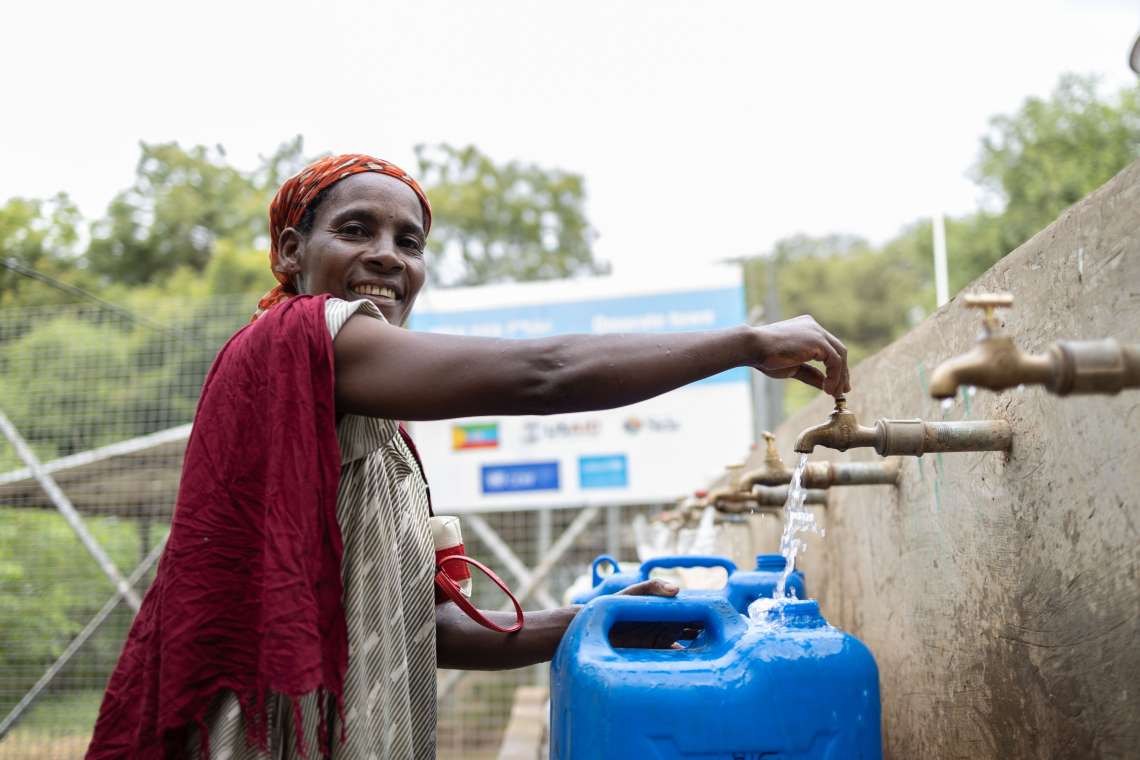

Around one million people remain displaced in camps across the region, facing worsening humanitarian conditions, Newsdesk reports
More than 1,300 people have died from hunger in displacement camps in Ethiopia’s conflict hit Tigray region over the past three years, according to a local official, as reported by Arab News, citing AFP.
The deaths come in the aftermath of the 2020 to 2022 civil war between Ethiopia’s federal government and forces from the northern Tigray region, a conflict that killed at least 600,000 people, according to estimates by the African Union.
Around one million people remain displaced in camps across the region, facing worsening humanitarian conditions.
“For the past three years, 1,309 people died due to hunger and lack of medicine in internally displaced people camps around Tigray,” Gebreselassie Tareke, a director at Tigray’s Social Affairs Office, told AFP, as quoted by Arab News.
He warned that the situation continues to deteriorate due to declining aid flows. “The situation is getting worse, we are not receiving enough aid from the federal government and international NGOs are reducing their help,” he said.
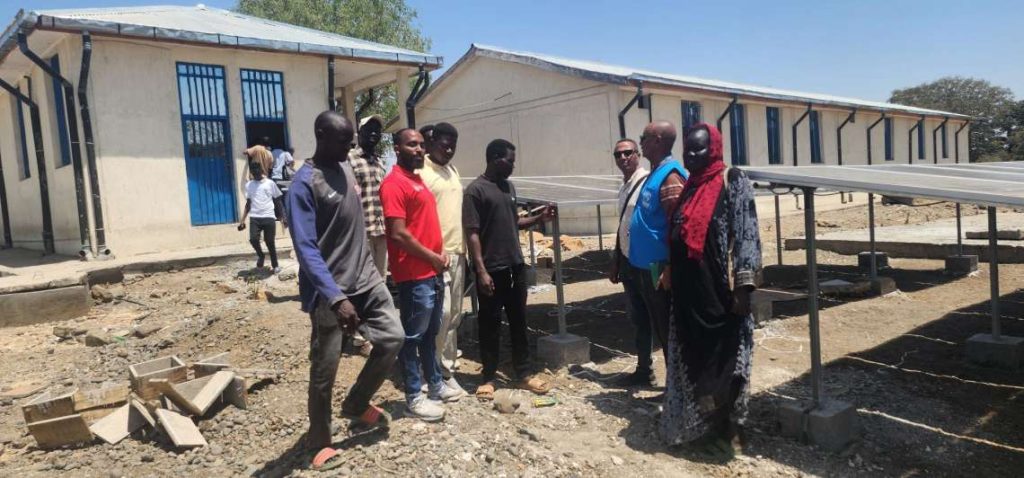
According to the report, Ethiopia’s federal government in Addis Ababa suspended funding to Tigray several months ago amid rising political tensions, further exacerbating the crisis.
The humanitarian emergency has been compounded by renewed clashes between Ethiopian troops and Tigrayan forces in recent months. Fighting reportedly broke out again in November and January, raising fears of further instability in the region.
The developments highlight the fragile situation in Tigray, where conflict, displacement and dwindling aid continue to deepen the humanitarian crisis, Arab News reported.
ore than 3.5 million people remain internally displaced in Ethiopia as overlapping conflicts, climate shocks and economic pressures continue to drive one of Africa’s most severe humanitarian crises, according to the latest UN and humanitarian estimates.
Data from the International Organisation for Migration (IOM) shows that internally displaced persons (IDPs) are spread across multiple regions, with conflict remaining the primary cause, accounting for roughly 60 to 65 percent of displacements. Climate related factors such as drought and floods contribute about 20 percent, while localised tensions account for a smaller share.
The Tigray, Amhara and Afar regions continue to record the highest levels of conflict driven displacement, while the Somali region remains heavily affected by drought induced displacement.
Despite ongoing instability, an estimated 2.5 to 2.7 million people have returned to their areas of origin. However, many returnees face fragile living conditions, limited infrastructure and inadequate access to basic services.
Humanitarian agencies warn that the broader crisis is deepening. According to the UN Office for the Coordination of Humanitarian Affairs (UNOCHA), more than 20 million people across Ethiopia currently require humanitarian assistance.
Food insecurity remains a major concern, with between 10 and 13 million people facing acute shortages due to a combination of erratic weather patterns, conflict disruptions and economic strain.
UNOCHA has cautioned that Ethiopia is at risk of further deterioration as multiple crises continue to overlap. Climate extremes, including prolonged droughts and sudden floods, alongside renewed violence in some regions, disease outbreaks and rising inflation, are placing immense pressure on already vulnerable communities.
Aid agencies say the convergence of these factors is driving displacement, worsening malnutrition and increasing protection risks, particularly for women and children.
With the situation remaining highly fluid, humanitarian organisations have stressed the urgent need for sustained international support to prevent further escalation and to stabilise conditions for millions affected across the country.