
Namibia Strikes Critical Minerals Jackpot as Australian Miner Confirms High-Grade Tin, Lithium and Tantalum Find
The discovery could position Africa’s largest uranium producer as a key supplier in the global green energy supply chain…reports Newsdesk
Namibia has emerged as a potential new hub for critical minerals after Australian-listed Askari Metals confirmed extensive high-grade mineralisation at its Uis Project, in results that could reshape the country’s mining profile beyond its established uranium and diamond sectors.
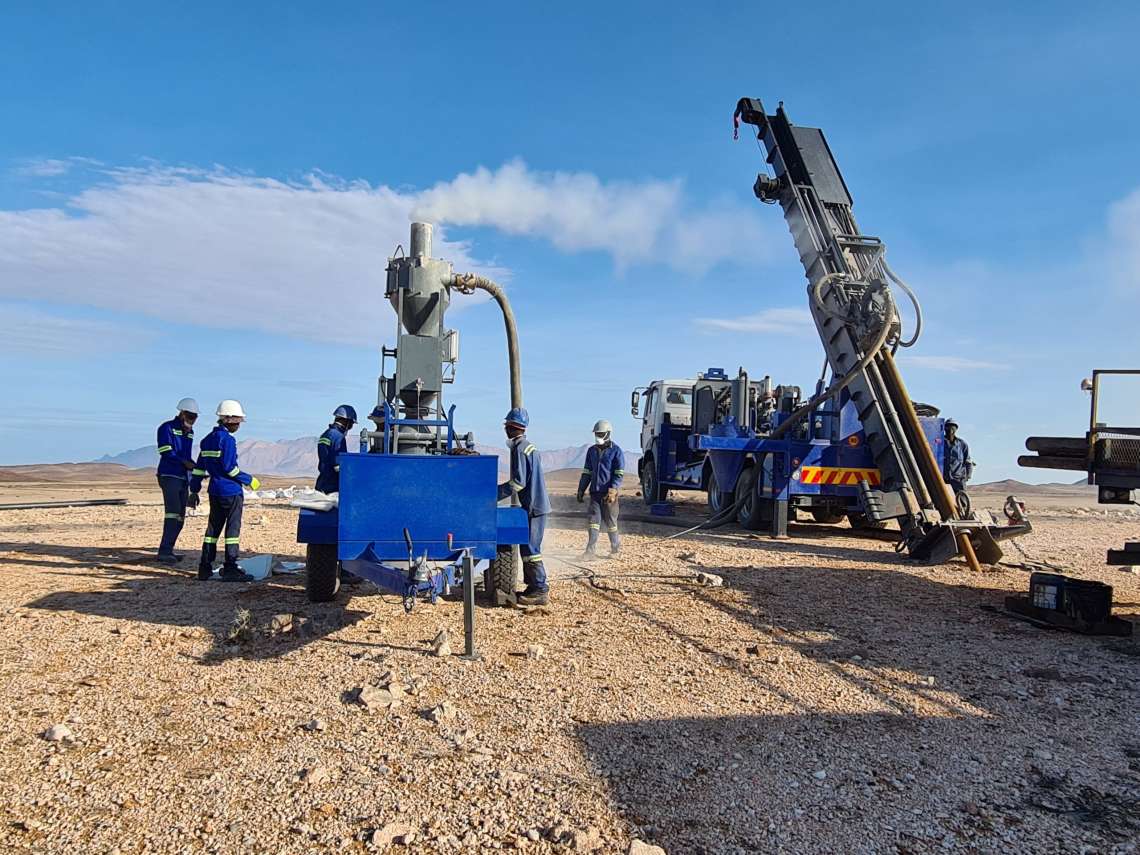
The company, which trades on the Australian Securities Exchange under the ticker AS2, reported Phase 1 trenching results at its 100%-owned Uis Project showing strong concentrations of tin, lithium, tantalum, and rubidium along a 2.2-kilometre pegmatite trend, Business Insider Africa has reported.
Peak results from the trenching programme included tin grades of 8,340 parts per million, lithium oxide of 0.57%, tantalum of 299 parts per million, and rubidium of 2,380 parts per million. Lithium grades exceeded cut-off thresholds commonly used for spodumene pegmatites, a benchmark that typically signals commercial viability.
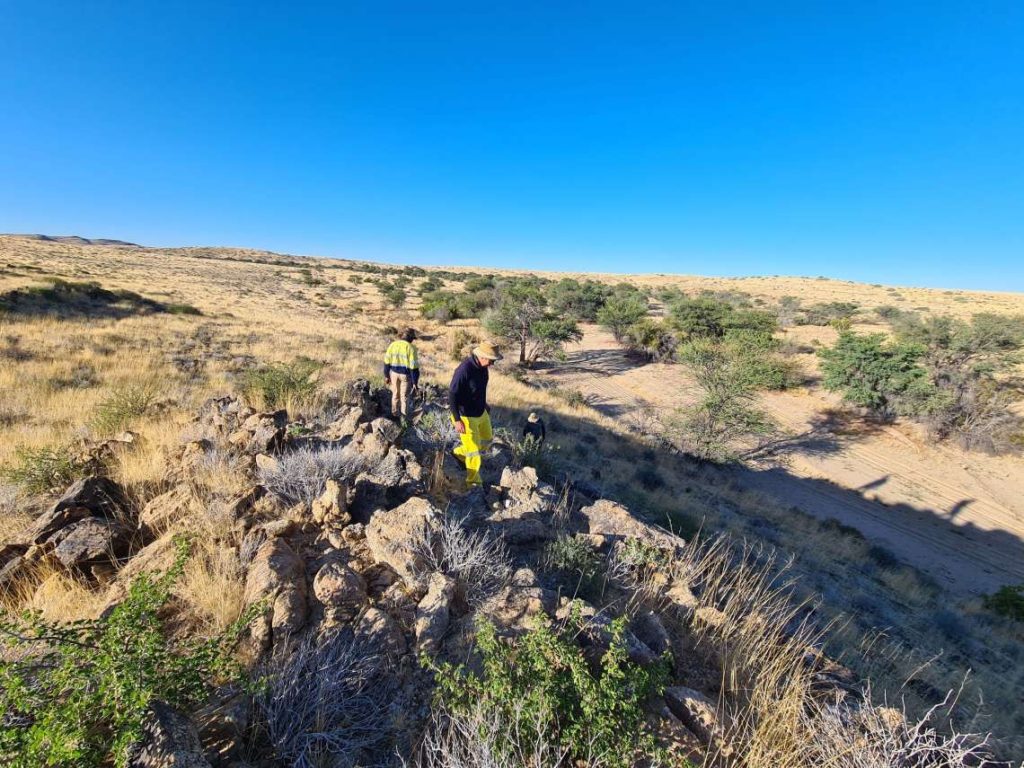
Trenching was completed at roughly 40-metre spacing and is designed to guide follow-up drilling scheduled for the second half of 2026.
The timing is significant. Each of the four minerals identified carries growing strategic weight in the global economy. Tin is a key component in electronics and industrial alloys. Lithium is the backbone of batteries powering electric vehicles and energy storage systems. Tantalum is essential to capacitors in high-tech electronics, while rubidium is used in specialty electronics and atomic clocks — making the Uis Project’s polymetallic profile unusually broad in its potential applications.
For Namibia, already Africa’s largest uranium producer, the find adds a new dimension to a mining sector that has long relied on uranium, diamonds, and base metals. Analysts note the country’s existing infrastructure — including the Walvis Bay deepwater port — gives any future mining operation at Uis a logistical head start over comparable projects elsewhere on the continent.
The commercial case is also supported by current commodity pricing. Tin is trading at around $46,000 per tonne, with recent peaks of $57,000 per tonne, levels that would make a confirmed deposit at Uis potentially lucrative for both the company and the Namibian state through royalties, taxes, and employment.
Successful development of the project could generate substantial export revenues and attract further foreign investment into a sector the Namibian government has identified as a priority for economic diversification.
Askari Metals has not yet defined a formal mineral resource at Uis. The Phase 1 results are intended to support resource definition work, with drilling expected to provide a clearer picture of the deposit’s scale and grade continuity later this year.