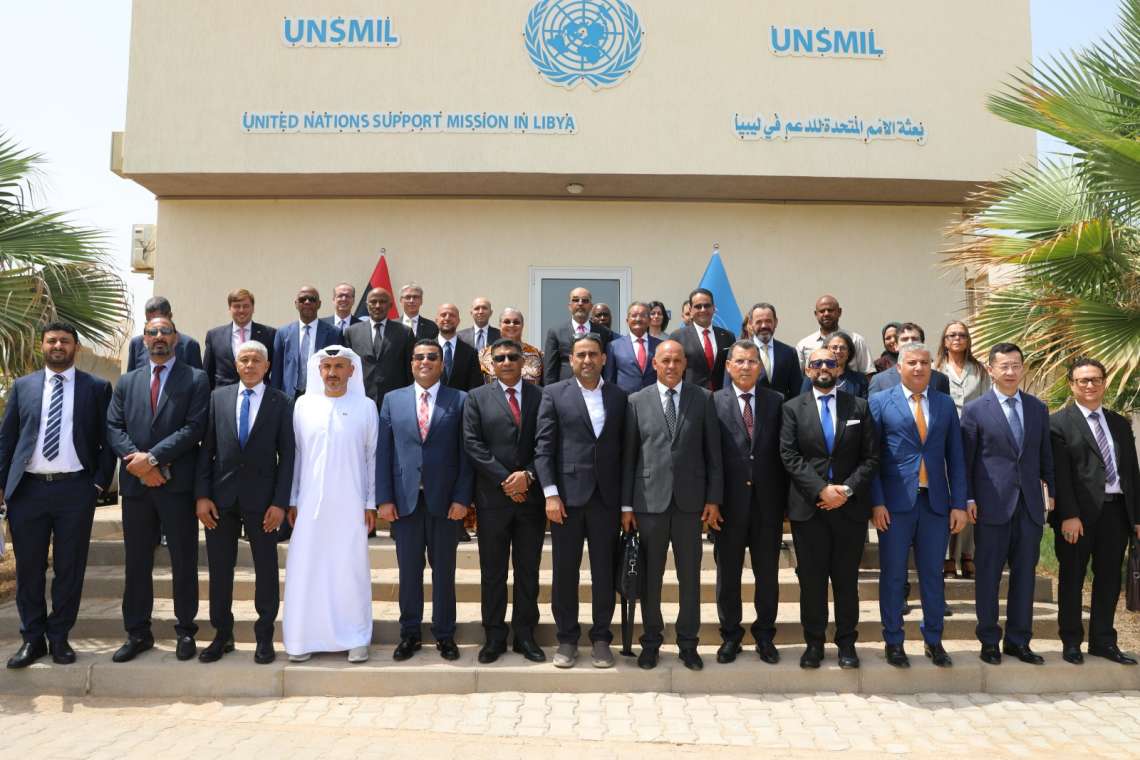

Agreement tackles key legal disputes and charts a path towards long-delayed national elections…reports Africa Daily News Desk
Libyan political and institutional representatives have signed a UN-facilitated agreement aimed at resolving key electoral disputes and paving the way for presidential and parliamentary elections within the next 24 months.
The agreement, reached through the UN-facilitated “Smaller Convening” in Tripoli, seeks to break Libya’s prolonged political deadlock by addressing outstanding constitutional and legal issues that have delayed national elections.
It covers two key milestones in the United Nations political roadmap: the reconstitution of the Board of Commissioners of the High National Elections Commission (HNEC) and revisions to the legal and constitutional framework governing presidential and legislative polls.
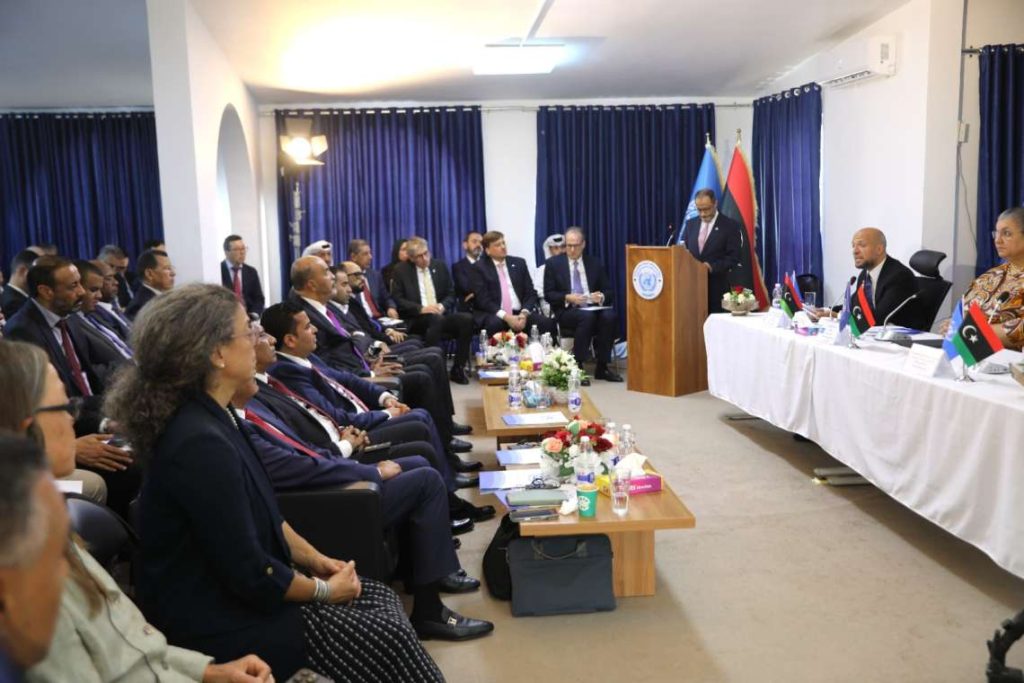
Under the agreement, the parties committed to holding presidential and parliamentary elections within a period not exceeding 24 months under a single executive authority and unified national institutions.
The deal introduces several adjustments to the presidential election framework, including provisions allowing dual nationals to contest the presidency, provided the winning candidate renounces their non-Libyan citizenship before taking the oath of office.
Military personnel would also be permitted to participate as candidates and voters within legal frameworks designed to ensure the neutrality of the military institution.
The agreement sets a requirement of 20,000 endorsements from registered voters across Libya for presidential candidates and removes the mandatory second round if a candidate secures an absolute majority in the first round.
For parliamentary elections, the parties agreed to use Law 10 of 2014 as the basis for the electoral process. Political parties will be allowed to contest elections alongside individual candidates, while the newly elected parliament will have the authority to address issues surrounding Libya’s permanent constitution.
The parties will now seek national endorsement of the agreement, with the House of Representatives and High Council of State expected to act within one month.
A follow-up mechanism will also be established in cooperation with the United Nations Support Mission in Libya (UNSMIL) to oversee implementation.
UN Special Representative for Libya Hanna Tetteh said the signing marked an important step towards overcoming the political and institutional impasse that has repeatedly delayed the country’s electoral process.
The signing ceremony was attended by Presidency Council member Musa Al Koni, representatives of the House of Representatives and the High Council of State, along with members of the International Follow-up Committee on Libya under the Berlin Process.
UNSMIL stressed that the agreement was not the end of Libya’s political process but an important step towards creating the institutional and political conditions needed for credible, inclusive and peaceful national elections.