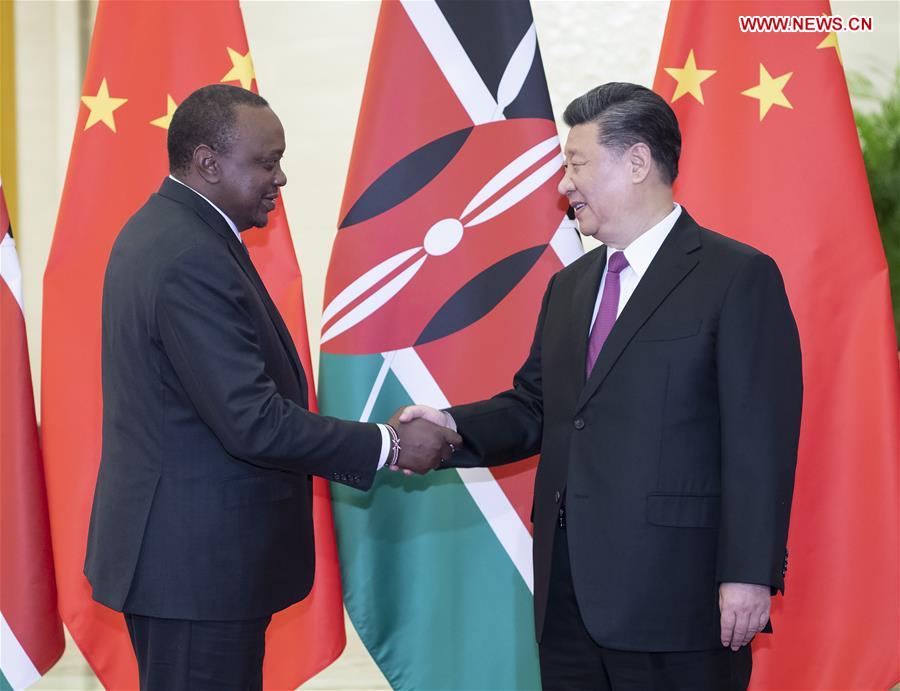

New agreements with China open duty-free market access for Kenyan exports while boosting infrastructure investment, even as Nairobi balances rising debt concerns and expanding US partnerships…reports Asian Lite News Desk
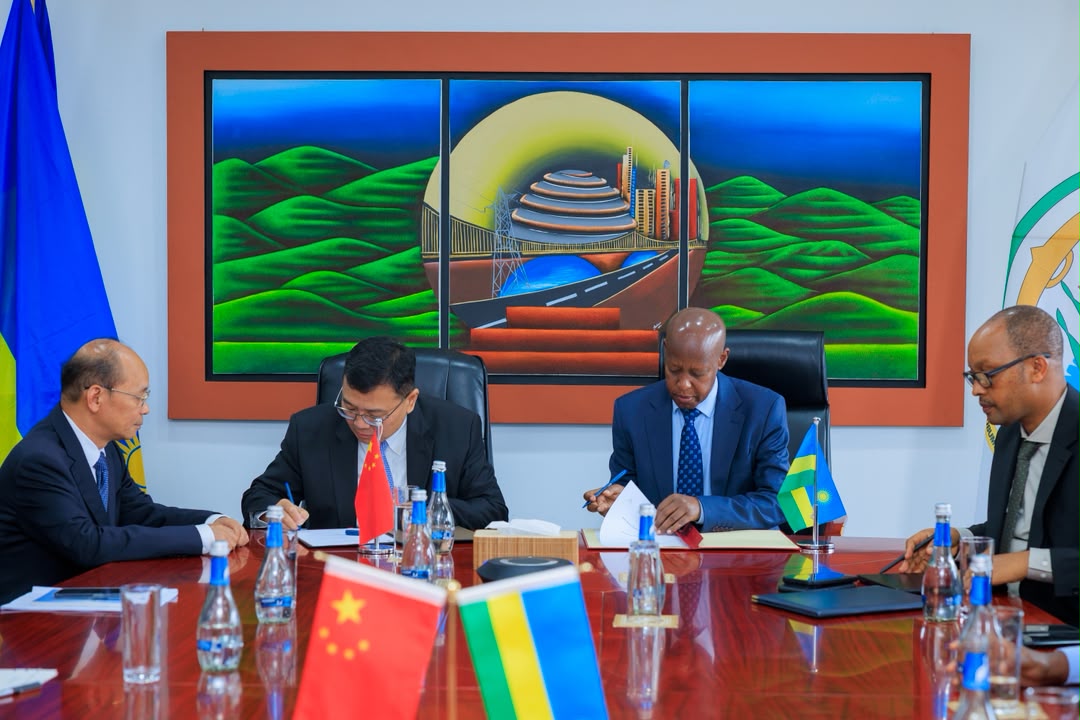
Kenya has signed a series of trade and infrastructure agreements with China during the visit of Vice-President Han Zheng, marking a significant step in deepening economic cooperation between the two countries.
At the centre of the agreements is an “early harvest” Economic Partnership Agreement that will grant Kenyan exports—including tea, coffee and avocados—duty-free and quota-free access to the Chinese market from May. The deal is expected to boost export earnings and help narrow Kenya’s trade imbalance with China, where imports have consistently outweighed exports.
President William Ruto described the agreements, along with new memorandums of understanding on agriculture and infrastructure, as a major boost to the country’s economy. The initiatives aim to strengthen Kenya’s position as a key trade hub in East Africa while expanding its global market reach.
In a symbolic move, Han Zheng flagged off the first shipment of Kenyan agricultural products under Beijing’s zero-tariff framework, which will come into full effect on May 1. The policy extends zero-tariff treatment to 53 African countries, offering new export opportunities across the continent and reinforcing China’s trade engagement with Africa.
The agreements also tie into broader infrastructure ambitions, including the planned extension of the Standard Gauge Railway (SGR). The $5.4 billion project is designed to link the Port of Mombasa with landlocked countries such as Uganda, Rwanda, South Sudan and the Democratic Republic of Congo, enhancing regional connectivity and trade flows.
At the same time, Kenya has been strengthening ties with the United States, reflecting a multi-aligned foreign policy approach. In December 2025, Nairobi and Washington signed a five-year health partnership worth over $1.6 billion aimed at improving Kenya’s healthcare system, alongside cooperation in minerals and trade.
However, the growing engagement with China continues to raise concerns over debt sustainability. Kenya is estimated to spend around $1 billion annually servicing Chinese loans, prompting debate over the long-term financial implications of large-scale infrastructure financing.
Experts note that the success of projects such as the railway extension will be critical to ensuring economic returns. Analysts argue that while Chinese investments provide much-needed infrastructure, they also require careful fiscal management to avoid excessive debt burdens.
At a broader level, Kenya’s strategy reflects a shifting geopolitical landscape in which African nations are leveraging competition between global powers to secure favourable deals. China’s expanding presence on the continent is increasingly matched by renewed US engagement, creating opportunities for countries like Kenya to diversify partnerships.
Observers say this rivalry is working to Africa’s advantage, enabling governments to negotiate better trade terms, attract investment and strengthen their bargaining power on the global stage.
As Kenya navigates these competing interests, the new agreements with China underline its ambition to position itself as a leading economic gateway in Africa while maintaining a careful balance between opportunity and risk.