
The intervention comes as Kenya, like many other countries, faces persistent volatility in global energy markets…reports Asian Lite News
William Samoei Ruto has announced a Sh6.5 billion intervention to cushion Kenyans from rising fuel prices, alongside a reduction in Value Added Tax on petroleum products from 16 per cent to 8 per cent for the next three months.
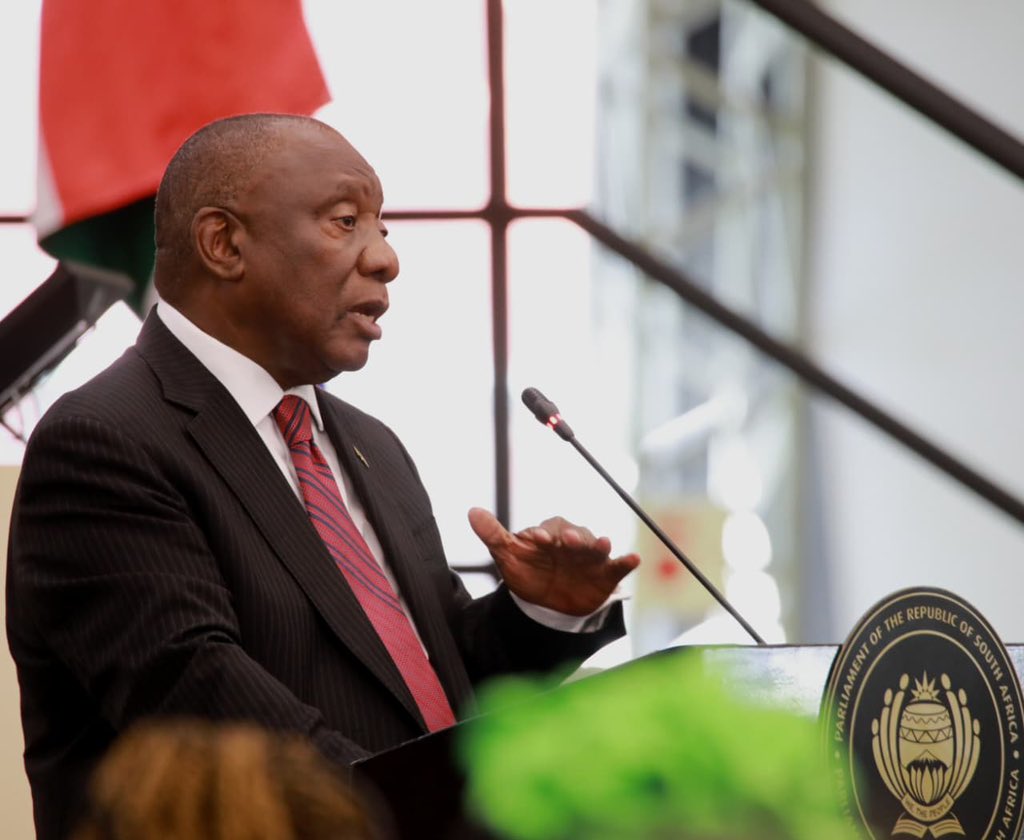
Speaking in Suneka town in Bonchari Constituency, Kisii County, Ruto said the government had moved to ease the burden on households and businesses amid global energy pressures. He added that part of the funds would be used to stabilise prices, with kerosene costs set to remain unchanged to protect low income consumers.
The move follows a revised pricing framework released by the Energy and Petroleum Regulatory Authority, which recalculated maximum retail pump prices for the period between April 16 and May 14, 2026, after the VAT adjustment.
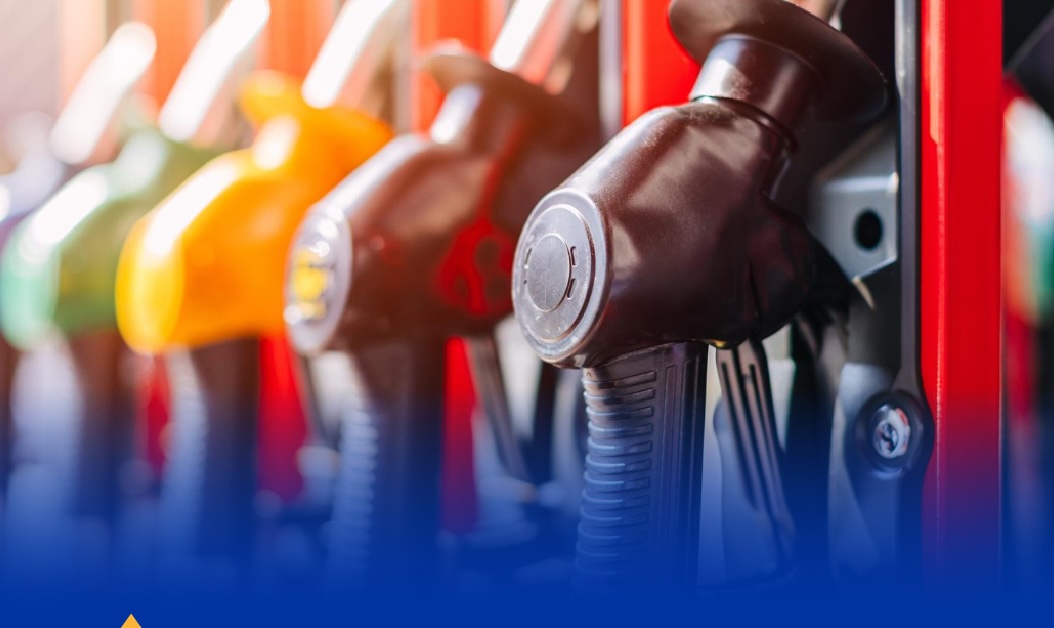
Under the new pricing, pump prices in Nairobi dropped, with Super Petrol retailing at KSh 197.60 per litre and Diesel at KSh 196.63 per litre, reflecting reductions of KSh 9.37 and KSh 10.21 per litre respectively. Kerosene prices remained steady at KSh 152.78 per litre, in line with the government’s subsidy measures.
In Mombasa, Super Petrol is priced at KSh 194.32 per litre, Diesel at KSh 193.35, and Kerosene at KSh 149.49, with similar adjustments reflected across other towns.

According to EPRA, the revised prices take into account the reduced VAT rate following a legal notice issued on April 15, 2026. The regulator said the changes are aimed at easing pressure on consumers while maintaining stability in the energy sector.
The subsidy on kerosene has also been adjusted, falling from KSh 108.10 per litre to KSh 96.56 per litre, even as the retail price remains unchanged to shield vulnerable households.
Ruto said the government would continue monitoring global developments, particularly the ongoing conflict in the Middle East, to manage the impact of international oil price fluctuations on the domestic market.
The intervention comes as Kenya, like many other countries, faces persistent volatility in global energy markets, prompting urgent measures to protect consumers and sustain economic stability.