
Government says cases are declining, but WHO warns the outbreak remains uncontrolled….reports Asian Lite News Desk
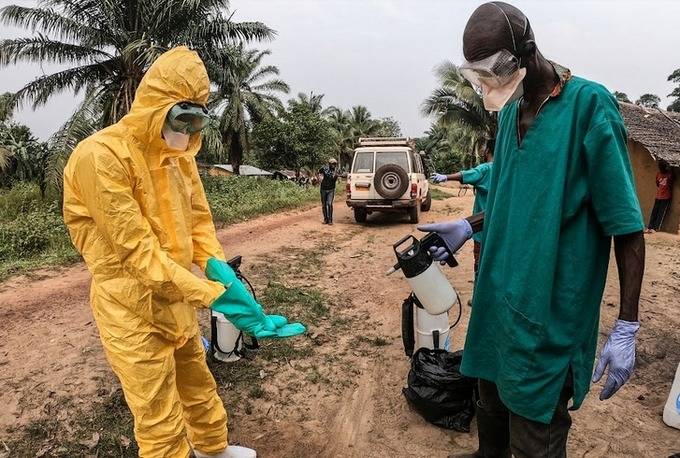
The Democratic Republic of the Congo (DRC) government has said the country’s ongoing Ebola outbreak is “under control” and has passed its peak, although continued transmission, local flare-ups and the disease’s spread to a seventh province are raising concerns over persistent risks.
Government spokesperson Patrick Muyaya, while presenting a report from a cabinet meeting on Friday, said the 17th Ebola outbreak had reached its peak in the third week of August and was now showing signs of decline.
“The 17th Ebola outbreak is under control, and the peak was reached at the beginning of the third week of August 2026,” Muyaya said, quoting Health Minister Roger Kamba.
According to the government, key indicators point to a downward trend in infections. Ten health zones that had previously reported cases have recorded no new infections for at least 21 days, while transmission has slowed in several areas of Ituri province, the epicentre of the outbreak.
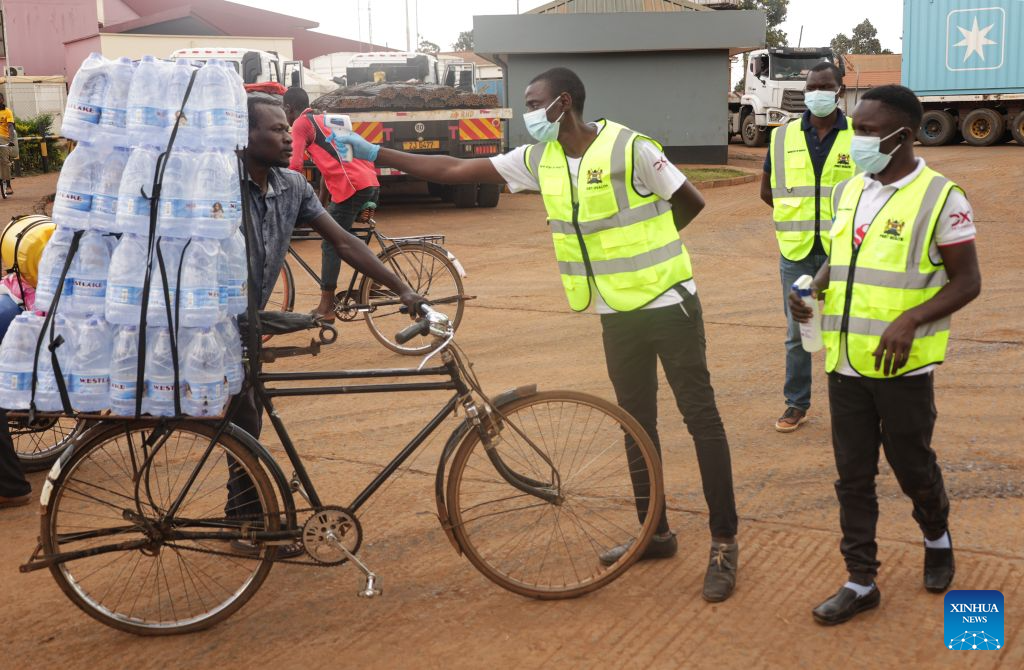
Authorities, however, have urged continued vigilance and strict contact tracing, particularly in areas where fresh flare-ups have been detected. Officials said sustained surveillance remains essential to prevent further transmission.
Former Congolese Health Minister Jean-Jacques Mbungani Mbanda, who is now a member of parliament, cautioned against interpreting the decline in some areas as evidence that the outbreak has been brought under control nationwide.
Mbanda said that in an outbreak involving multiple transmission centres, different areas can reach their peaks at different times. He also noted that the epidemic curve is based on detected cases and could be influenced by infections that have not yet been identified within communities.
The World Health Organization (WHO), in its latest weekly report, offered a more cautious assessment, saying the outbreak “remains uncontrolled and increasingly heterogeneous”.
The WHO said transmission was declining in some locations but intensifying or spreading geographically in others, indicating that the outbreak was not following a uniform downward trend.
The DRC government also confirmed the first Ebola case in northwestern Sud-Ubangi province on Thursday, bringing the number of affected provinces to seven. Sud-Ubangi does not share a border with any of the six provinces where confirmed cases had previously been recorded.
According to Mbanda, the patient was a 23-year-old man who later died after travelling extensively before reaching Sud-Ubangi. His journey reportedly included several provinces, neighbouring Rwanda and Uganda, as well as travel by road and river.
As of September 10, the DRC had recorded 7,022 confirmed Ebola cases, including 3,398 deaths, resulting in a case fatality rate of 48.4 per cent. The outbreak has affected 62 health zones across seven provinces.
Declared in May, the current outbreak has become the largest and deadliest Ebola epidemic in the DRC’s history and the second-largest globally, after the 2014-2016 Ebola epidemic in West Africa.