
Ghana has strengthened airport screening, disease surveillance and laboratory preparedness following Ebola cases reported in the DRC, Kenya and Nigeria…reports Africa Dialy News Desk
Ghana has strengthened airport screening, disease surveillance and emergency response measures following Ebola cases reported in the Democratic Republic of the Congo (DRC), Kenya and Nigeria. The Ministry of Health said the measures were aimed at preventing imported infections, improving early detection and ensuring the effective management of suspected cases, although no Ebola cases have been reported in Ghana.
In a press release, the ministry said the ongoing outbreak in the DRC and subsequent reports of infections in Kenya and Nigeria had prompted authorities to reinforce the country’s public health preparedness.
Kenyan authorities reported an imported case of Ebola caused by the Bundibugyo virus from the DRC on 6 October 2026. By 17 October, six additional cases had been reported, all linked to the initial case and including healthcare workers.
On 20 October, Nigerian authorities also reported a confirmed Ebola case in the Federal Capital Territory.
The ministry said the situation in Kenya posed a significant risk to Ghana because of direct flights between the two countries and higher passenger volumes compared with the DRC. Frequent travel between Nigeria and Ghana had also added to concerns following the reported case in Nigeria.
The developments have prompted Ghana’s health authorities to strengthen surveillance and screening, particularly at airports, to reduce the risk of the virus entering the country.
Airport screening and emergency preparedness strengthened
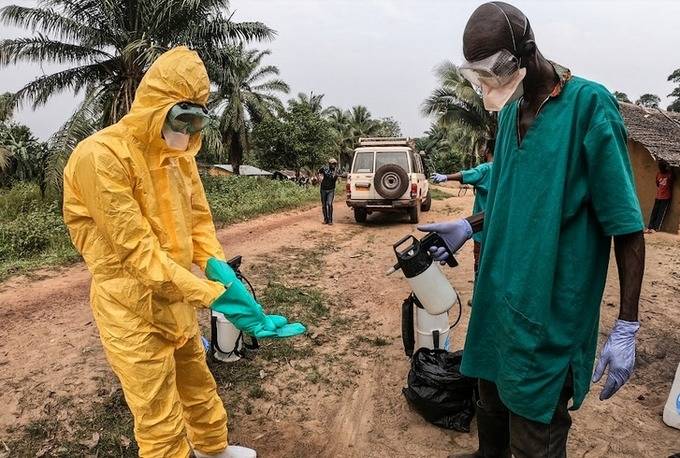
The Ghana Health Service, working with the Ministry of Health and other agencies, has introduced several measures to strengthen the country’s capacity to prevent, detect and respond to potential Ebola infections.
These include coordination with the Ghana Airports Company Limited, the Ghana Civil Aviation Authority and other relevant stakeholders to improve preparedness and emergency response arrangements.
Authorities have also enhanced surveillance at points of entry, including stronger screening measures at airports.
Simulation exercises have been conducted at Accra International Airport and the Ghana Infectious Disease Centre to assess and improve readiness to respond to suspected cases.
The measures also include follow-up with travellers arriving from high-risk areas throughout their stay in Ghana, in accordance with public health protocols.
Laboratory preparedness is being strengthened through updates to standard operating procedures, while healthcare workers are being sensitised to improve awareness, preparedness and the appropriate management of suspected cases.
Public education and risk communication at airports are also part of the response, with travellers being provided with information about Ebola prevention and the steps to take if symptoms develop.
Health authorities issue public guidance
The Ministry of Health said Ebola symptoms typically develop between two and 21 days after exposure, with an average incubation period of eight to 10 days.
Symptoms can include high fever, severe headache, extreme fatigue, sore throat and chills. Unexplained bleeding and confusion may occur later in the illness.
The ministry said Ebola spreads through direct contact with the blood or body fluids of an infected person, or contaminated materials, and is not airborne.
Anyone who develops symptoms after travelling to an affected area or coming into contact with a suspected or confirmed case has been advised to seek medical attention promptly and disclose their travel history to healthcare workers.
Travellers from affected areas should have their health monitored for 21 days, while the public has been urged to maintain good hand hygiene and avoid contact with anyone showing unexplained fever, vomiting, diarrhoea or bleeding.
The ministry also warned against sharing unverified information, urging the public to follow official updates from health authorities.
Health Minister Kwabena Mintah Akandoh said the ministry, together with relevant agencies and partners, was implementing measures to protect public health. He urged the public to remain calm, stay informed through official communication channels and cooperate with health authorities as Ghana strengthens its preparedness and response.