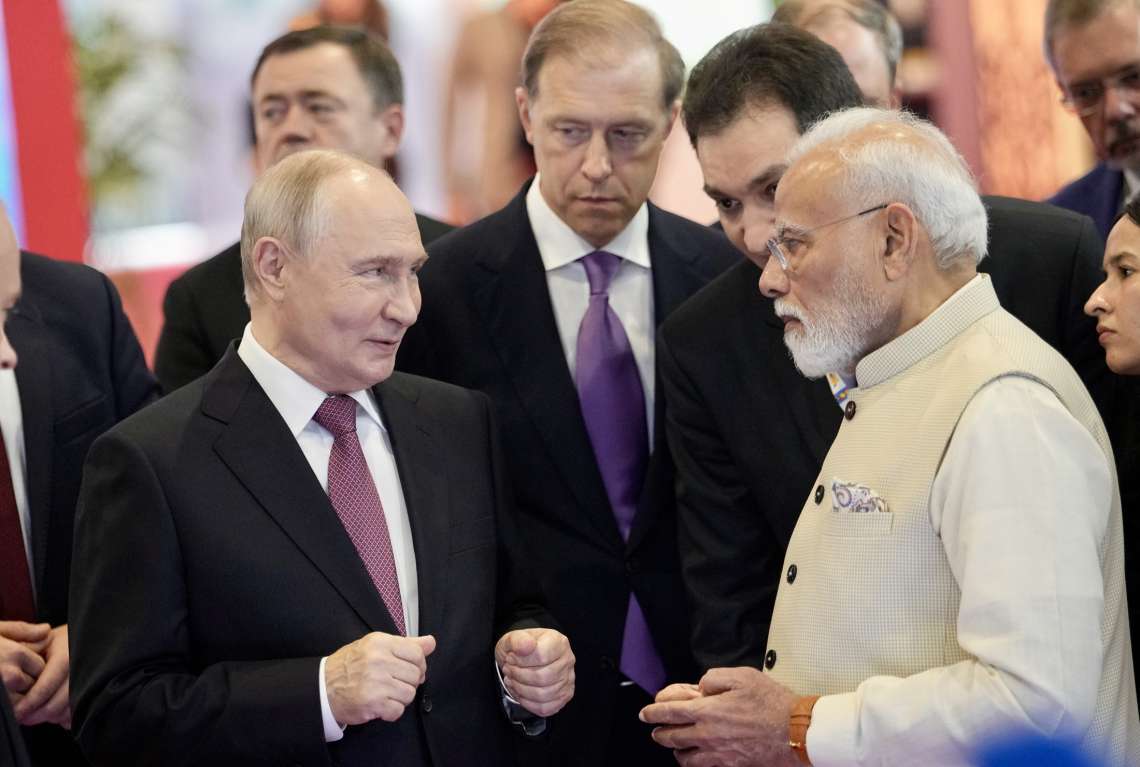

India secures BRICS consensus after overnight negotiations, overcoming deep divisions involving Iran, Saudi Arabia and the UAE at the New Delhi summit, reports Asian Lite News Desk
BRICS countries have reached consensus on a Joint Statement after intensive India-led negotiations in New Delhi, overcoming deep geopolitical differences between members including Iran, Saudi Arabia and the UAE.
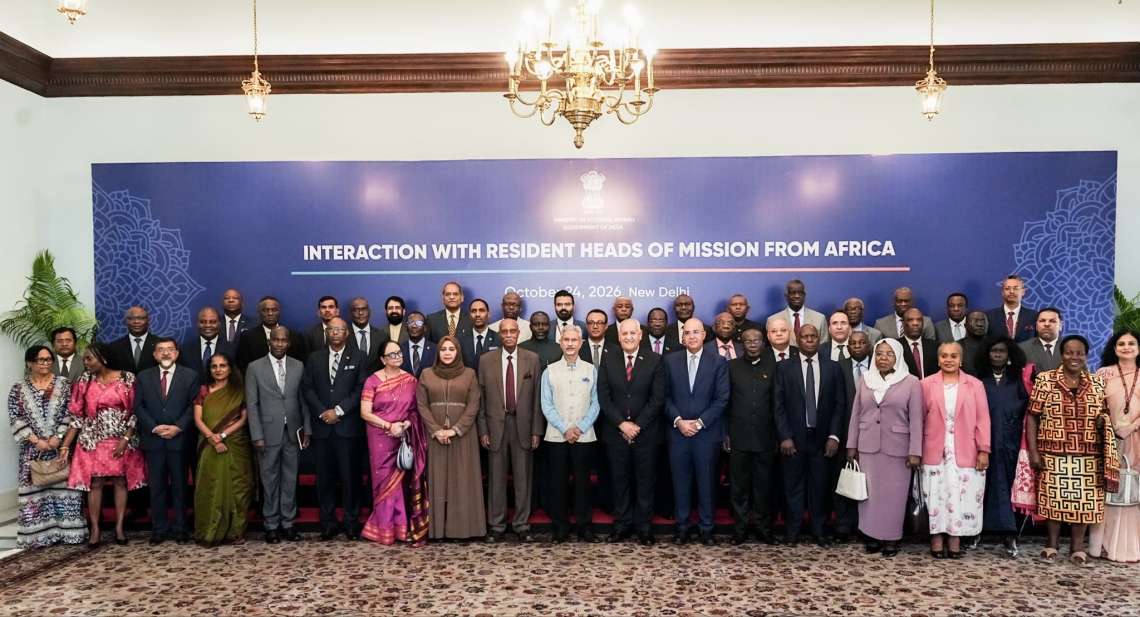
The agreement marks a significant diplomatic breakthrough for India, which is hosting the 18th BRICS Summit at Bharat Mandapam in the national capital. The Joint Statement is expected to be released later on Saturday, the first day of the two-day summit.
According to sources, Indian negotiators held sustained consultations with member countries from Friday and continued discussions until around 4am on Saturday in an effort to bridge differences and secure agreement on the text.
The negotiations were particularly challenging against the backdrop of ongoing conflicts and heightened tensions in West Asia.
Iran, Saudi Arabia and the UAE are all members of the expanded BRICS grouping, despite having sharply different positions on a range of regional and geopolitical issues.
“India led sustained consultations to bridge competing positions and build consensus among members,” a source said, highlighting the complexity of the negotiations.
The breakthrough is especially significant because BRICS had faced a major setback during a ministerial meeting in New Delhi in May. That meeting ended without the bloc issuing its customary joint statement, the first such instance in its history.
India instead released a Chair’s Statement and Outcome Document after differences between Iran and the UAE prevented members from reaching consensus.
The successful negotiations ahead of the leaders’ summit therefore represent an important test of India’s ability to keep the expanded grouping functioning despite serious disagreements among its members.
India has consistently promoted dialogue and diplomacy as the preferred route for resolving international conflicts. Prime Minister Narendra Modi has also repeatedly stressed that this is not an era of war and that solutions to conflicts cannot emerge from the battlefield.
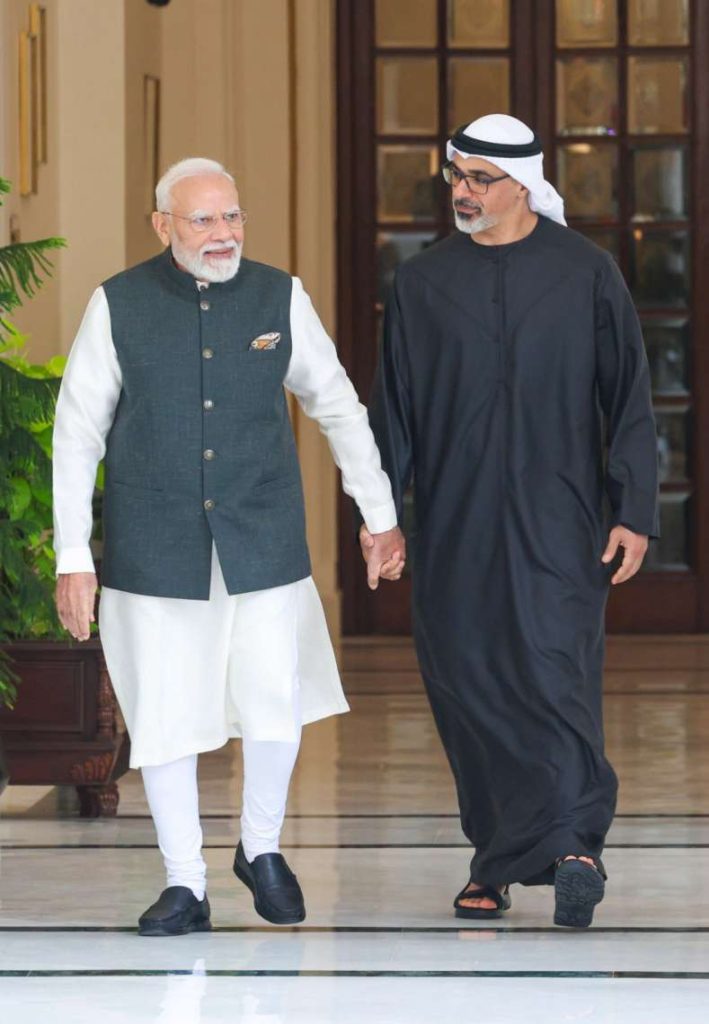
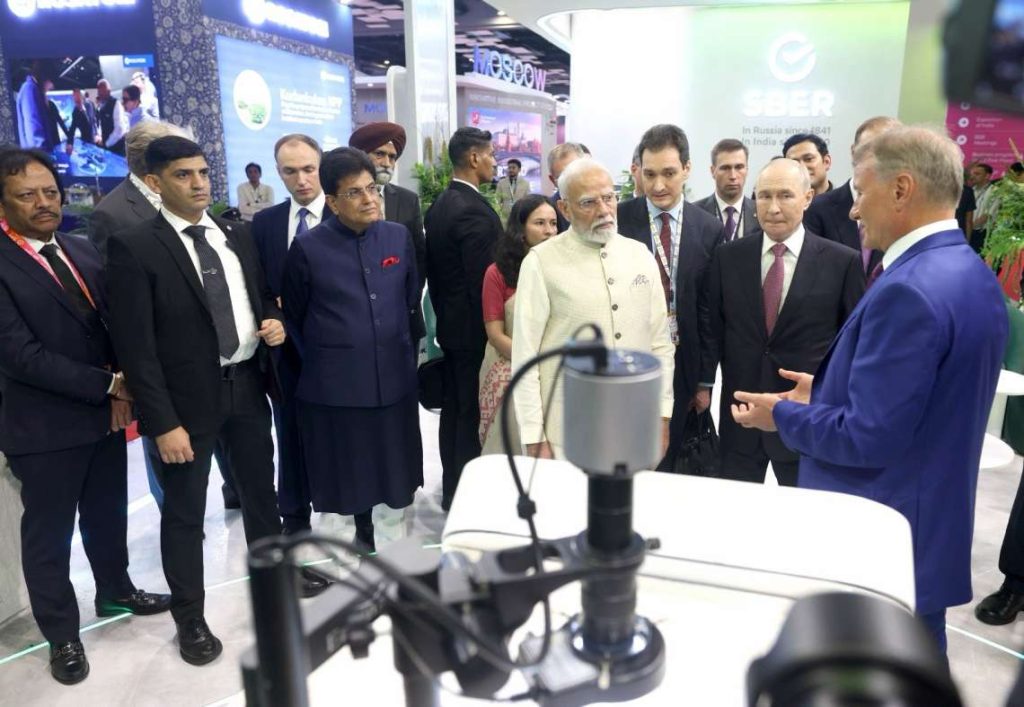
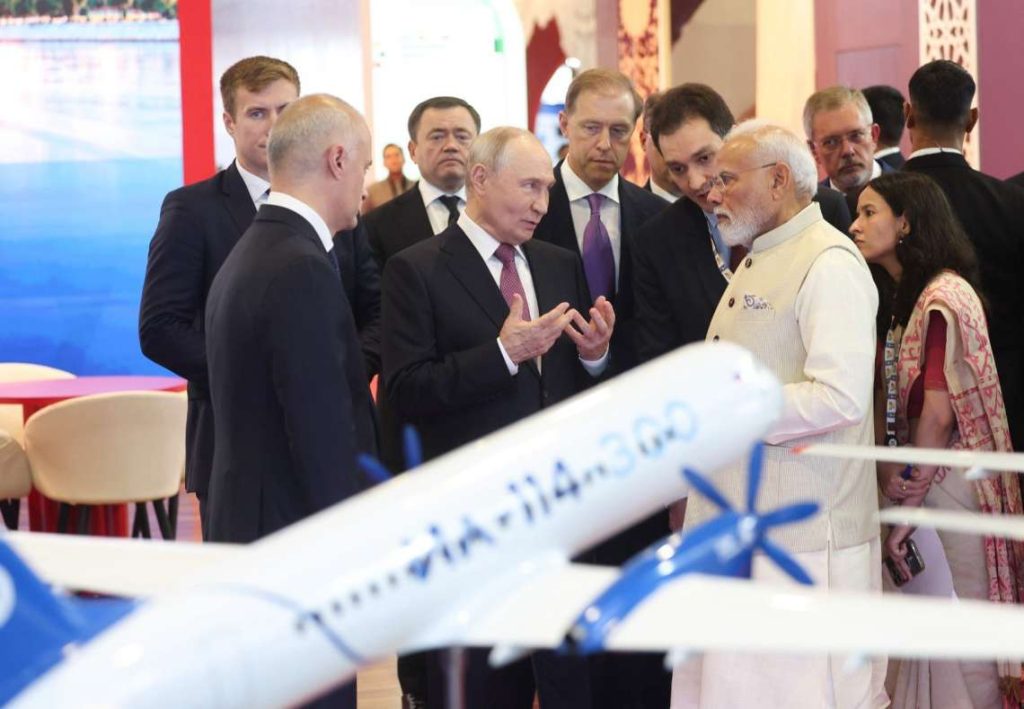
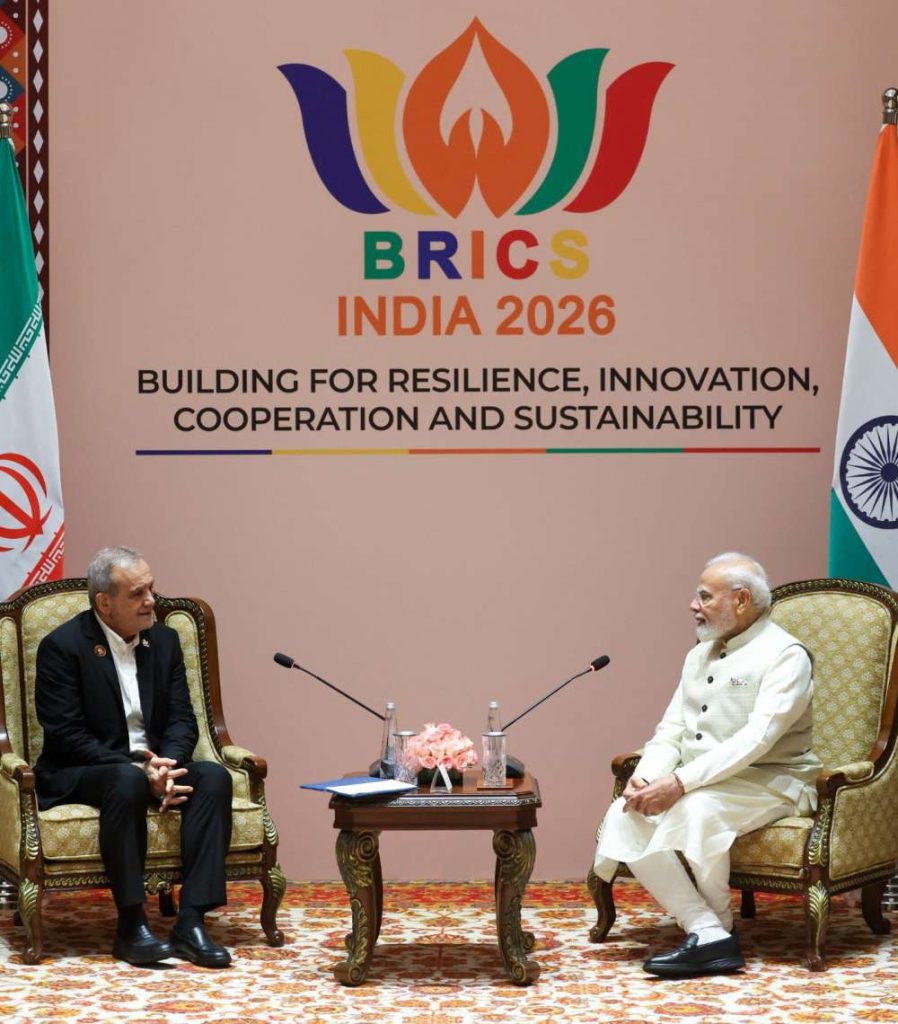
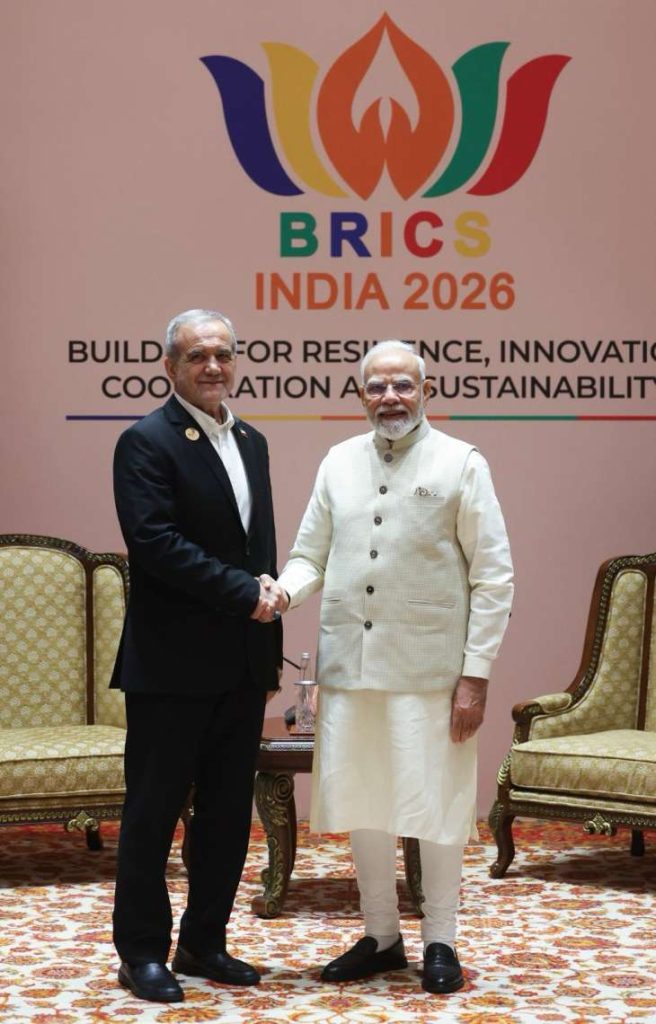
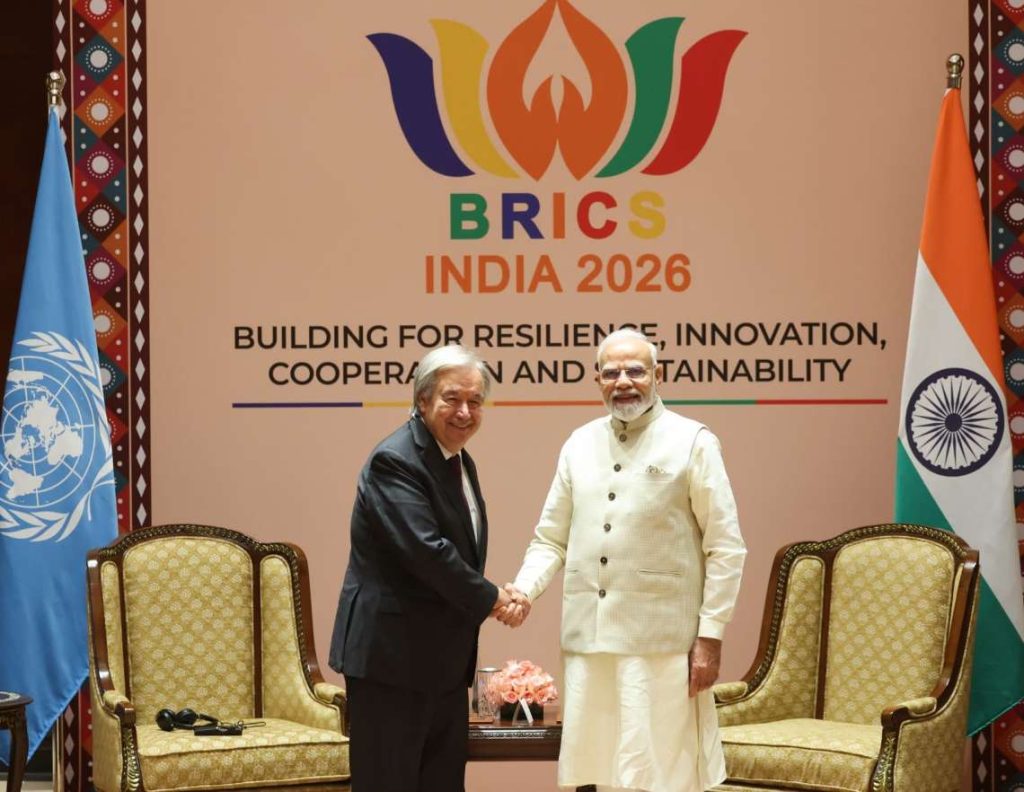
New Delhi has sought to position BRICS as a platform for cooperation among developing and emerging economies rather than an explicitly anti-Western grouping. During its presidency, India has also placed a strong emphasis on the interests and priorities of the Global South.
The expanded BRICS membership has nevertheless made consensus more difficult. The grouping now brings together countries with different economic interests, foreign policy priorities and approaches to global governance.
Analysts have noted a broad divide within BRICS, with India and Brazil tending to emphasise the grouping’s economic and developmental role, while China and Russia have often pushed for a stronger geopolitical dimension.
India has attempted to balance these competing expectations while presenting itself as a reform-oriented power seeking a greater role for developing countries within existing international institutions.
At the summit on Saturday, Modi described BRICS as having reached a “coming of age” moment as the grouping marks 20 years since its formation.
Welcoming BRICS leaders, Modi said the next two decades should focus on a new and ambitious agenda, with greater emphasis on converting consensus into practical outcomes.
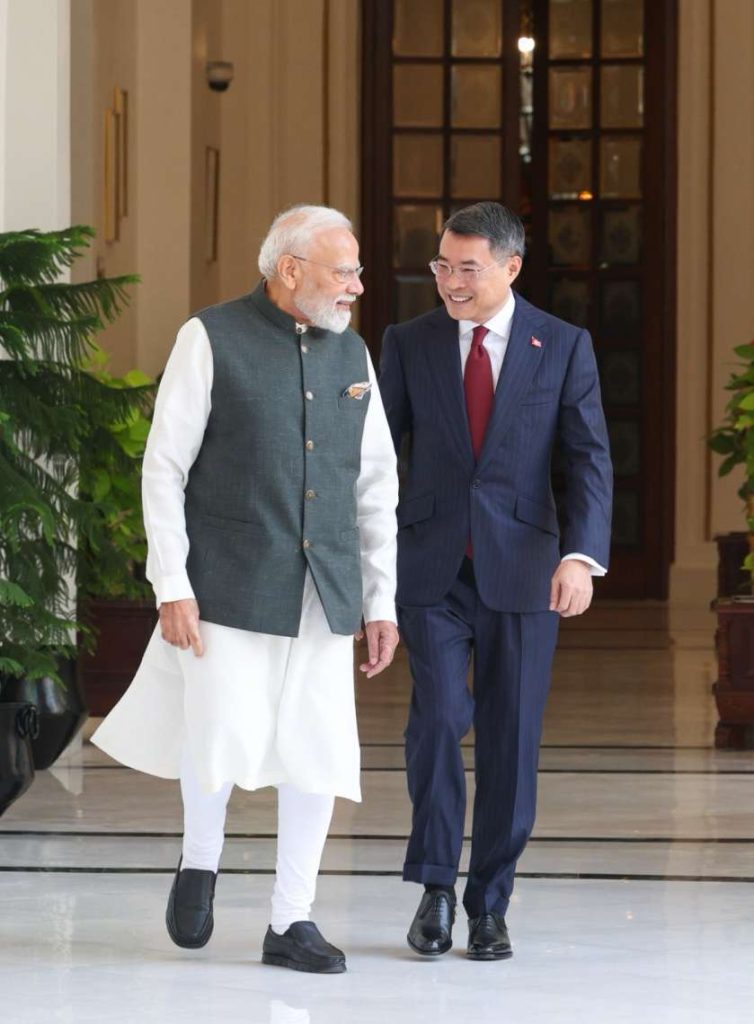
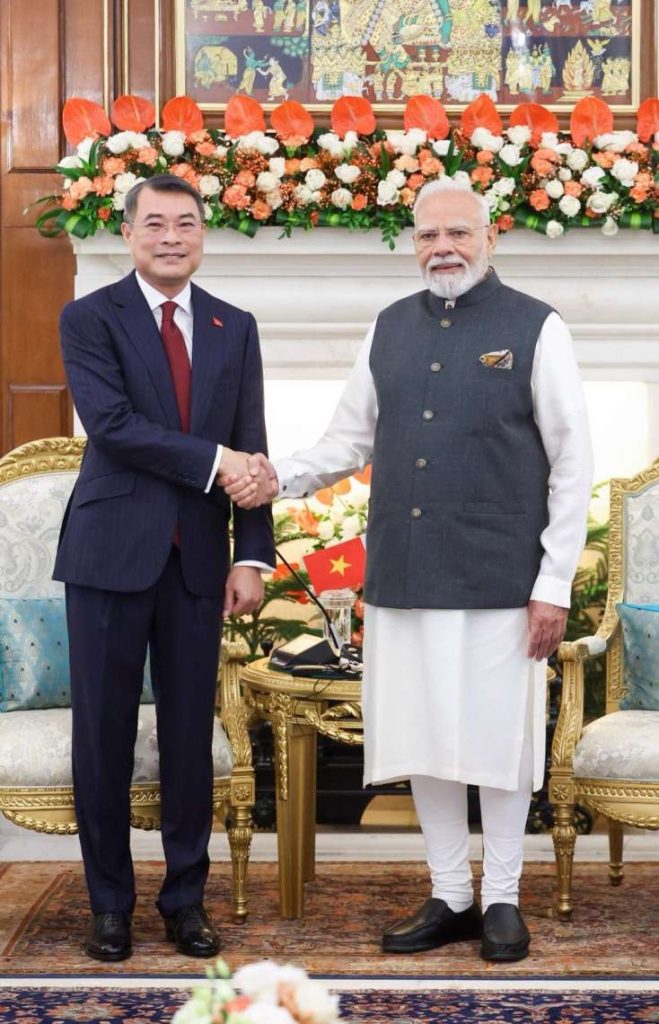
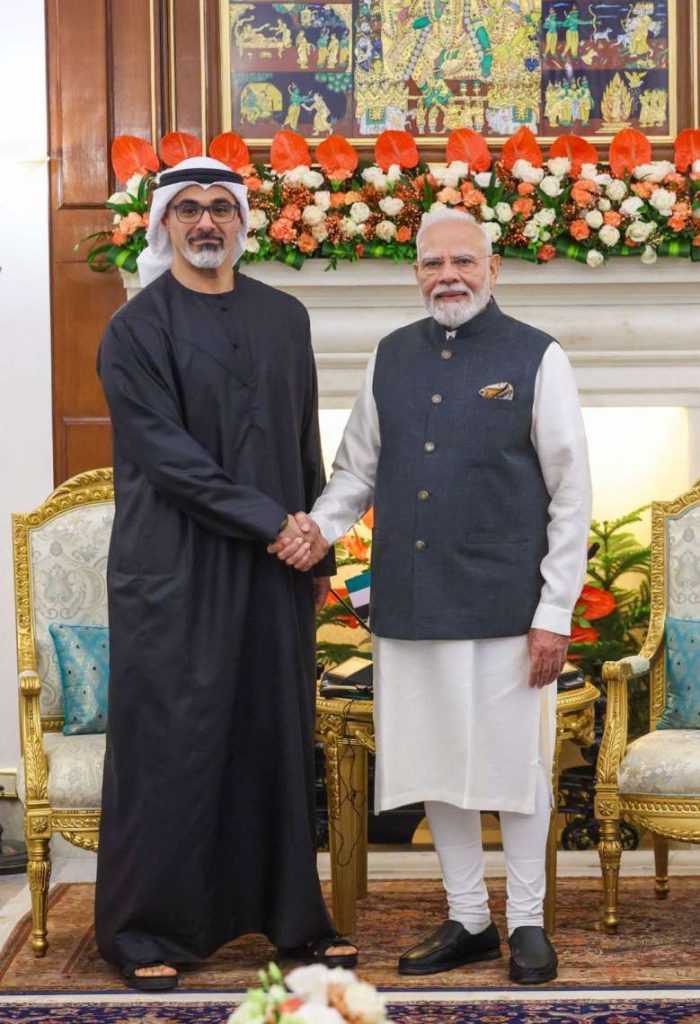
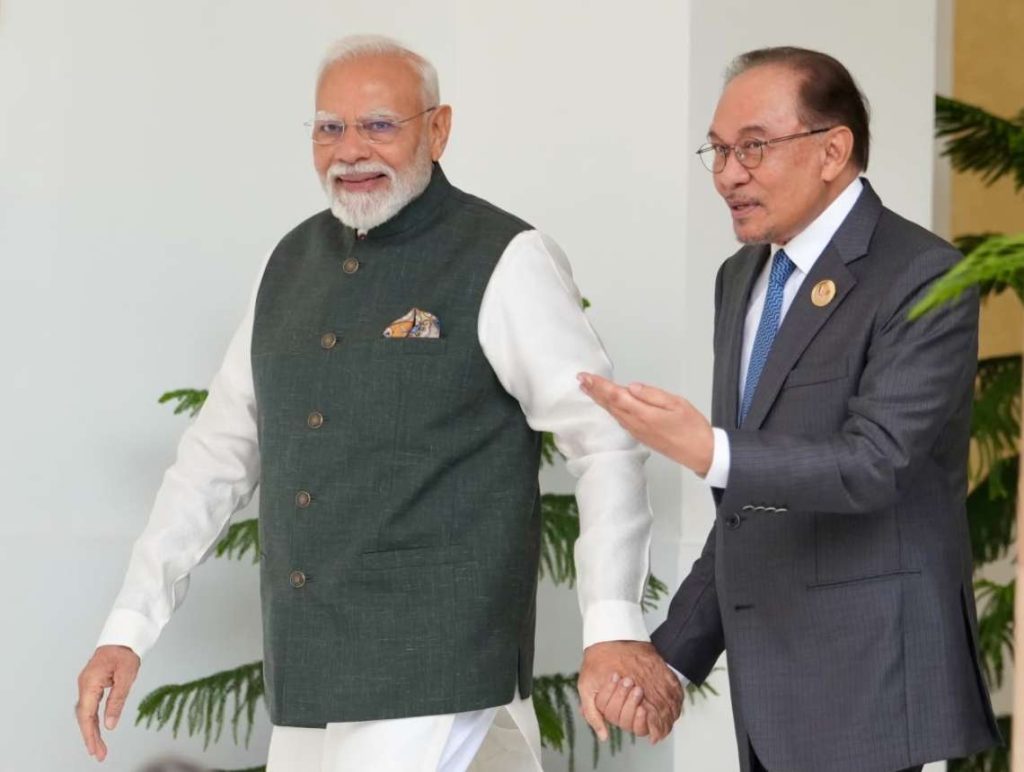
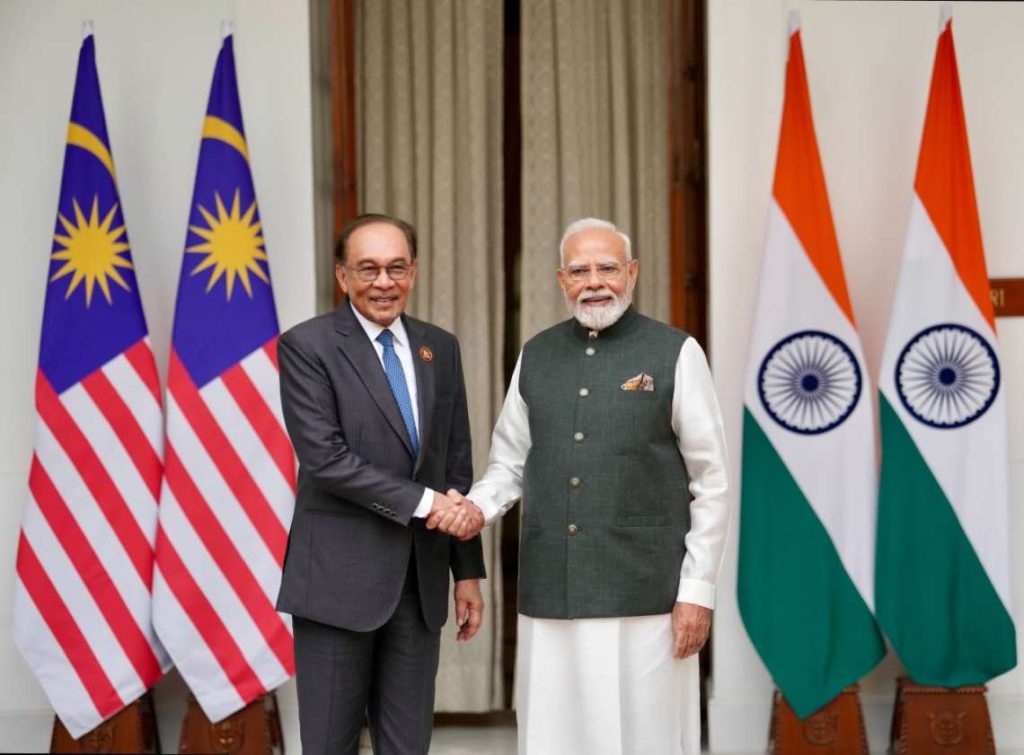
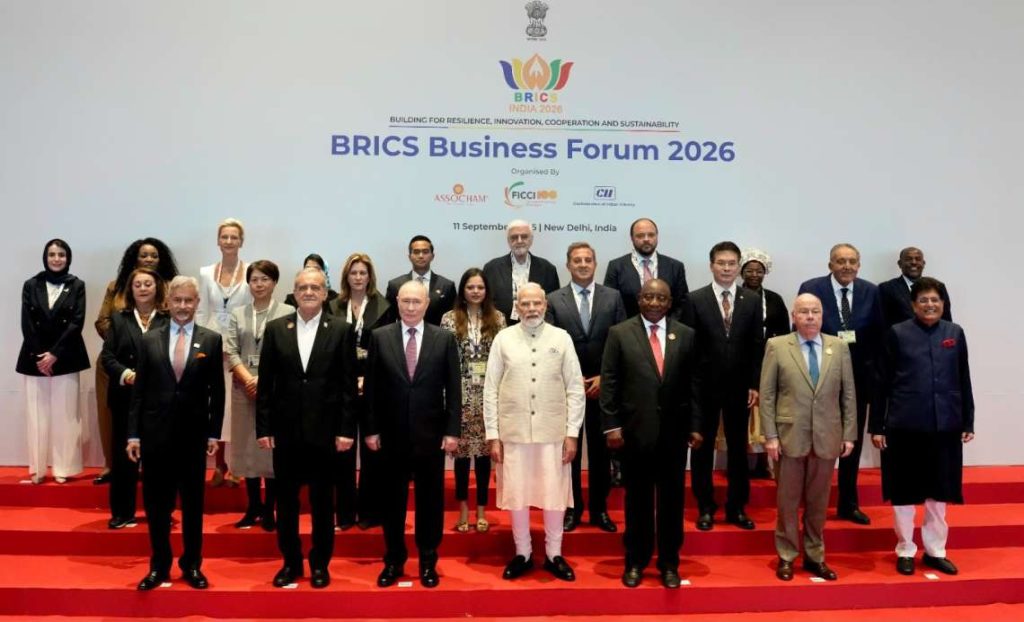
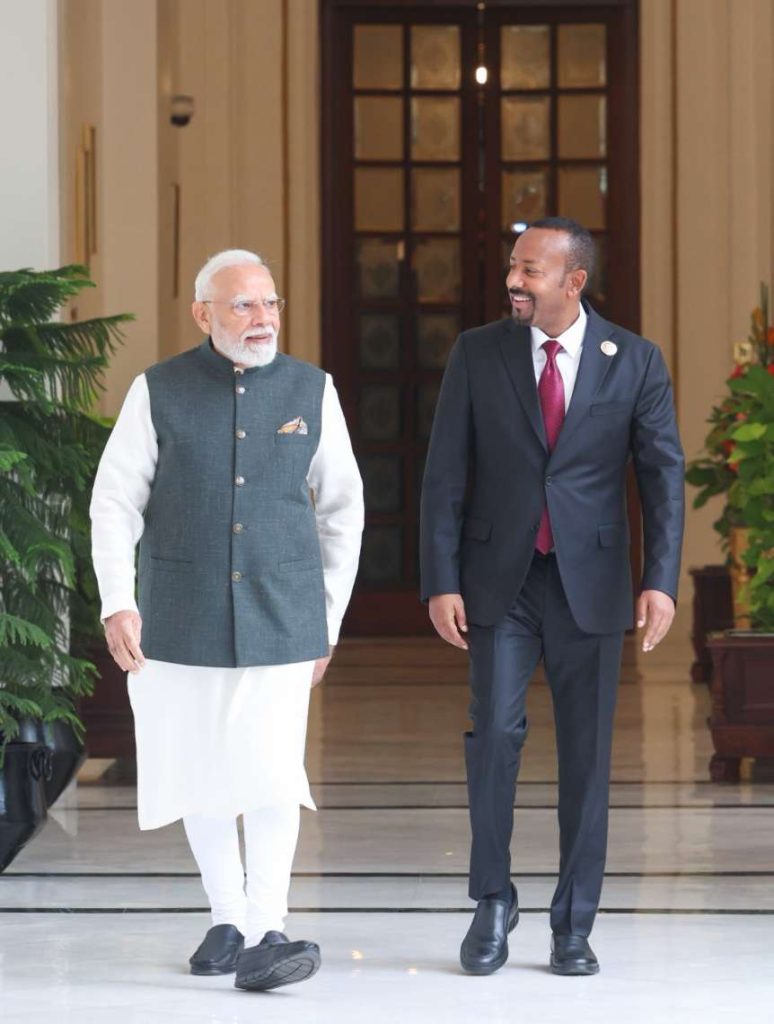
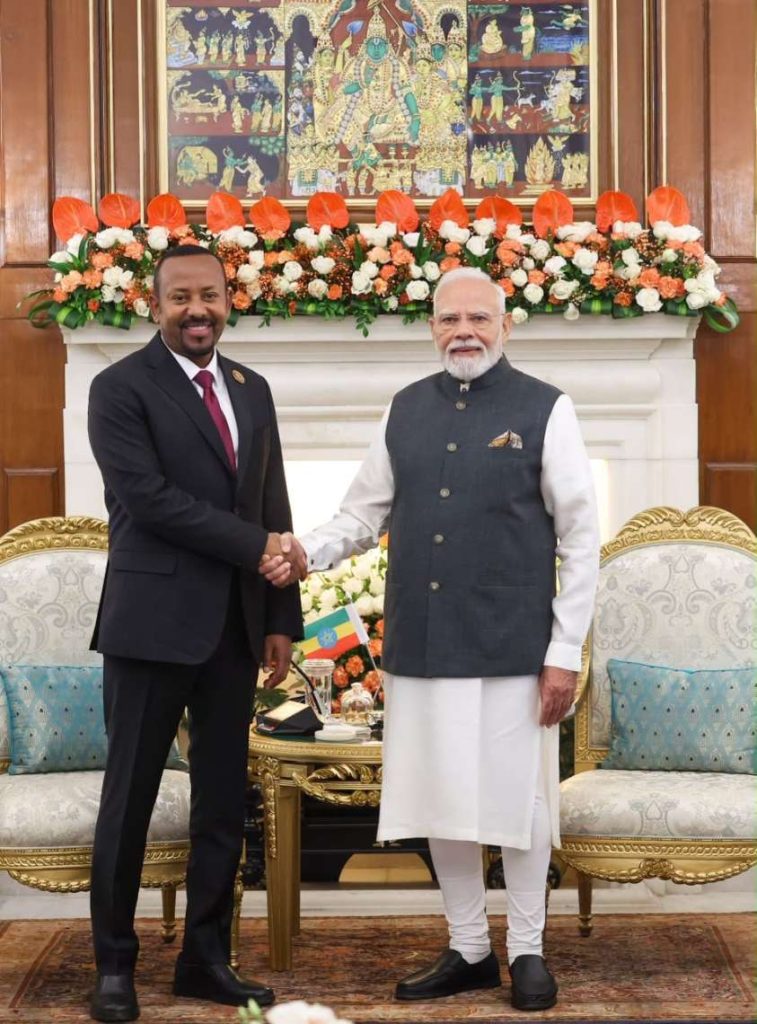
He said India’s BRICS chairship had followed a people-centric and “Humanity First” approach, with more than 350 meetings organised across around 30 Indian cities during the year.
Modi also proposed creating a “BRICS Continuity and Implementation Mechanism” to ensure that initiatives agreed under one presidency continue to be followed up when the chairmanship rotates to another member.
He argued that institutional momentum should not be disrupted by the annual change in presidency and suggested that the mechanism could operate through the BRICS Troika arrangement.
The Prime Minister also called for greater reform of global governance, arguing that the Global South remains heavily affected by international crises while having limited influence over global decision-making.
He proposed that BRICS countries jointly develop 10 proposals for global governance reform and work towards creating a BRICS reform roadmap by the next summit.
The consensus on the Joint Statement gives India an important diplomatic achievement at a summit where managing differences within an increasingly diverse BRICS has emerged as one of the central challenges.