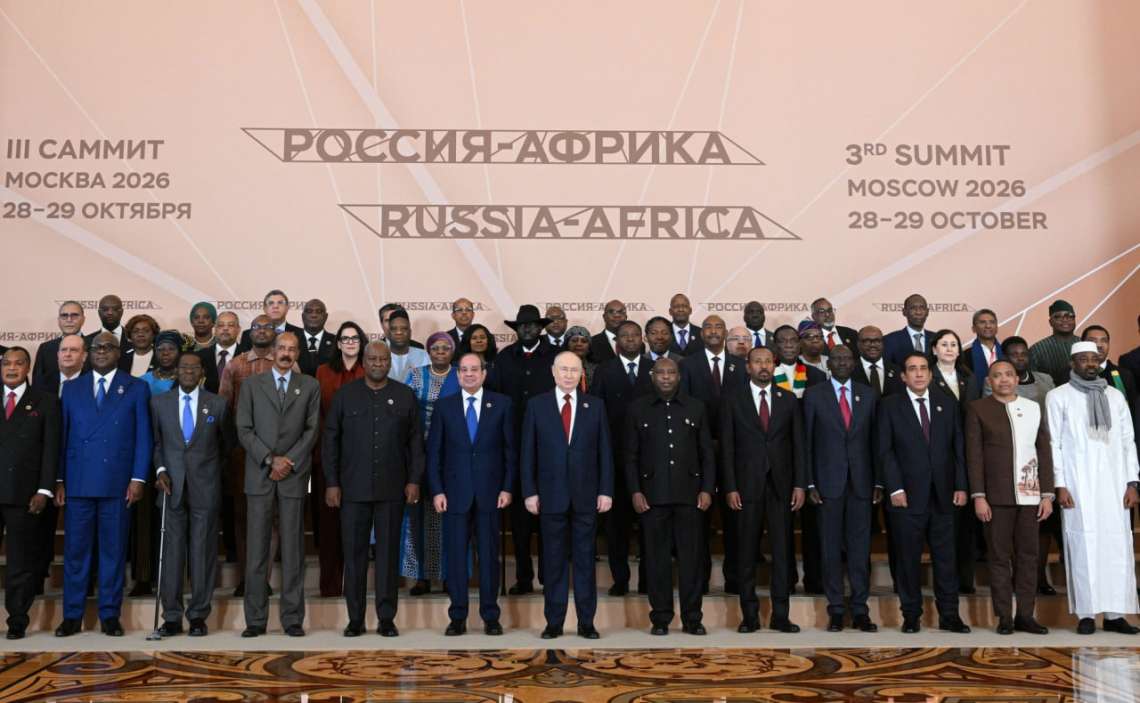

African leaders have used the third Russia-Africa Summit in Moscow to advance cooperation in trade, agriculture, technology, education and security, as the continent seeks stronger economic partnerships and a greater voice in global decision-making…reports Africa Daily News Desk
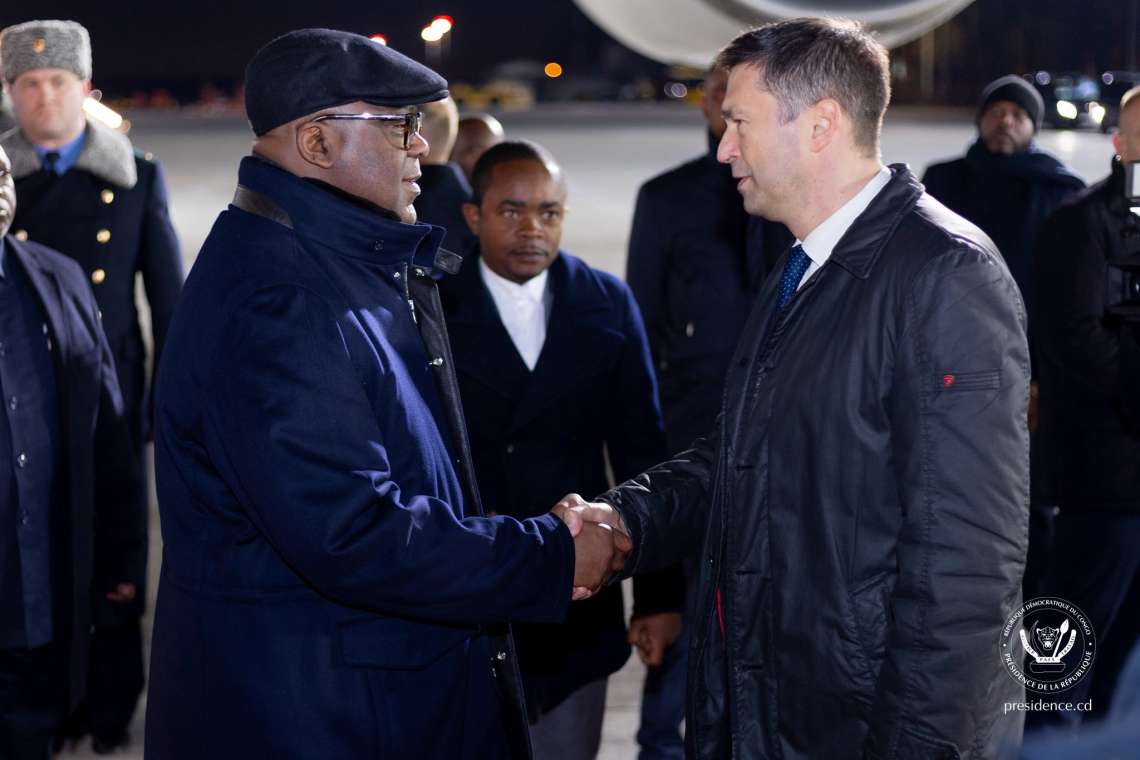
African countries are looking to deepen their economic and diplomatic engagement with Russia, with representatives from almost 50 nations attending the third Russia-Africa Summit in Moscow to discuss opportunities for cooperation across key sectors.
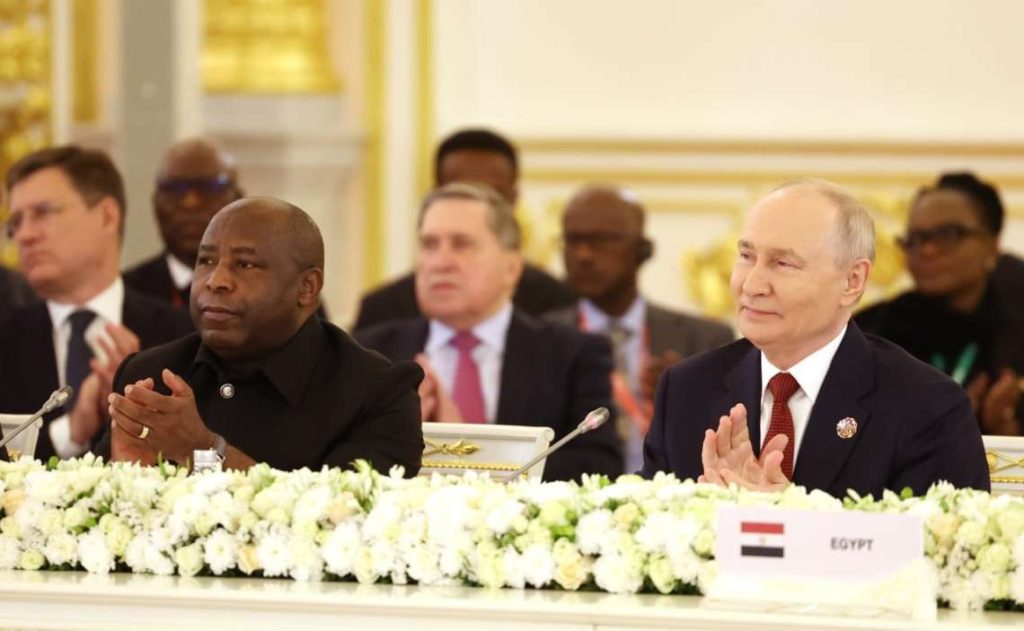
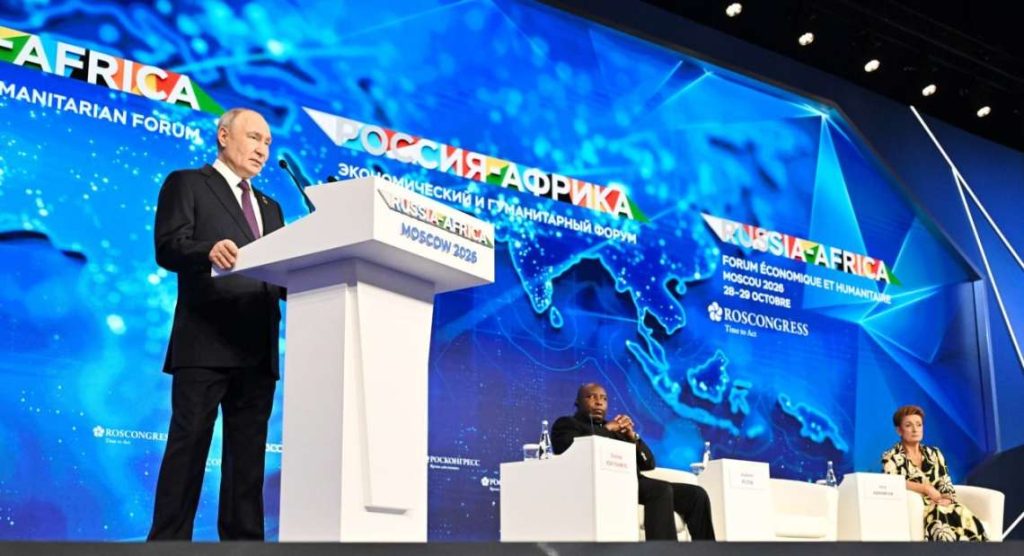
The gathering brought together heads of state and government, alongside leaders of African regional integration organisations, for discussions under the theme ‘For Peace, Security and Development’. The summit focused on strengthening relations in areas ranging from trade and food security to healthcare, education, technology and defence.
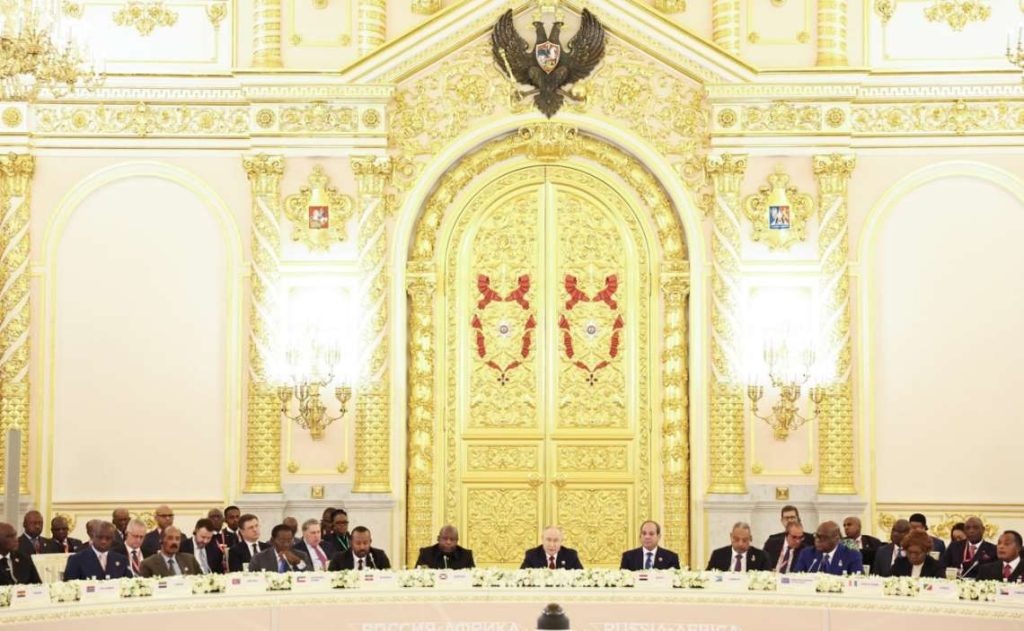
The meeting concluded with the adoption of three documents: the Declaration of the Third Russia-Africa Summit, a declaration on cooperation in the civilian application of artificial intelligence technologies, and the Russia-Africa Partnership Forum Action Plan for 2027-2029.
For African countries, the discussions come against the backdrop of efforts to expand international partnerships, attract investment, strengthen domestic industries and secure a greater role in global institutions. Russia has presented itself as a partner willing to support these ambitions, although the extent to which the commitments translate into concrete economic benefits will depend on their implementation.
Addressing the summit, Russian President Vladimir Putin said Moscow was interested in seeing African countries defend their sovereignty, strengthen their economies and pursue their own development models.
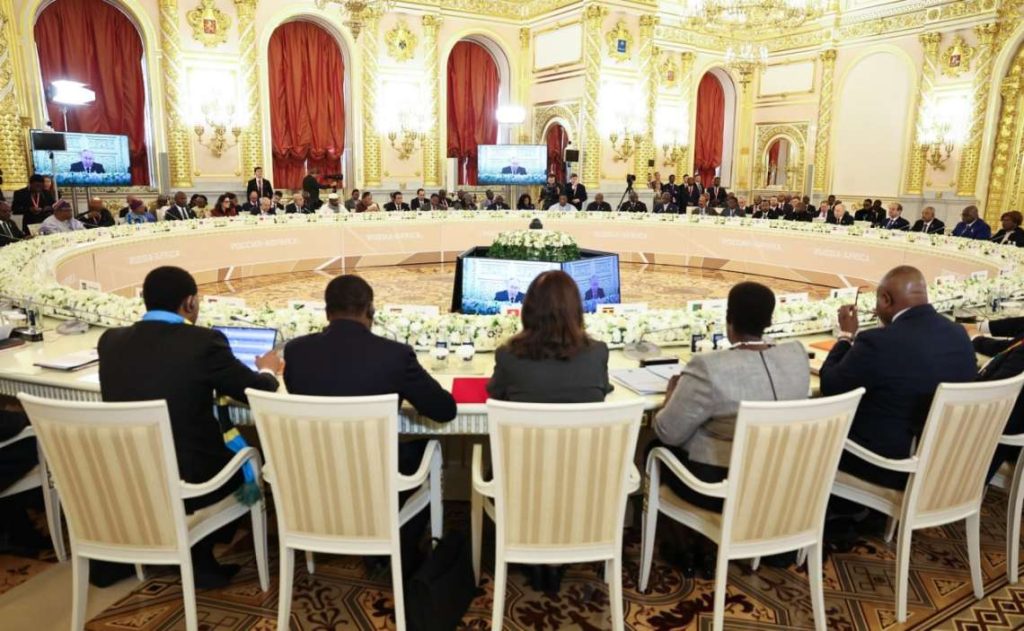
He described Russia and African nations as partners with longstanding ties and shared interests in building a multipolar international order. Referring to Tanzania’s first president and anti-colonial leader Julius Nyerere, Putin recalled his statement that independence meant relying on one’s own strength.
Putin said Russia had supported African countries during their struggles against colonial rule and remained committed to working with them in areas including economic development, security and social welfare.
Trade, investment and food security
Economic cooperation was among the central themes, with Putin announcing that trade between Russia and African countries exceeded $27 billion last year, marking a 50 per cent increase since the previous summit.
He said the figure reflected positive momentum but argued that the potential for further trade and investment was considerably greater.
Closer links between the Eurasian Economic Union (EAEU) and the African Continental Free Trade Area were identified as an opportunity to increase the movement of goods and capital. Putin said 47 African countries were eligible for benefits under the EAEU’s unified system of tariff preferences, with customs duties reduced to zero for 32 of them.
Such arrangements could provide African exporters with improved access to the Eurasian market, while creating opportunities for businesses on both sides to expand commercial links.
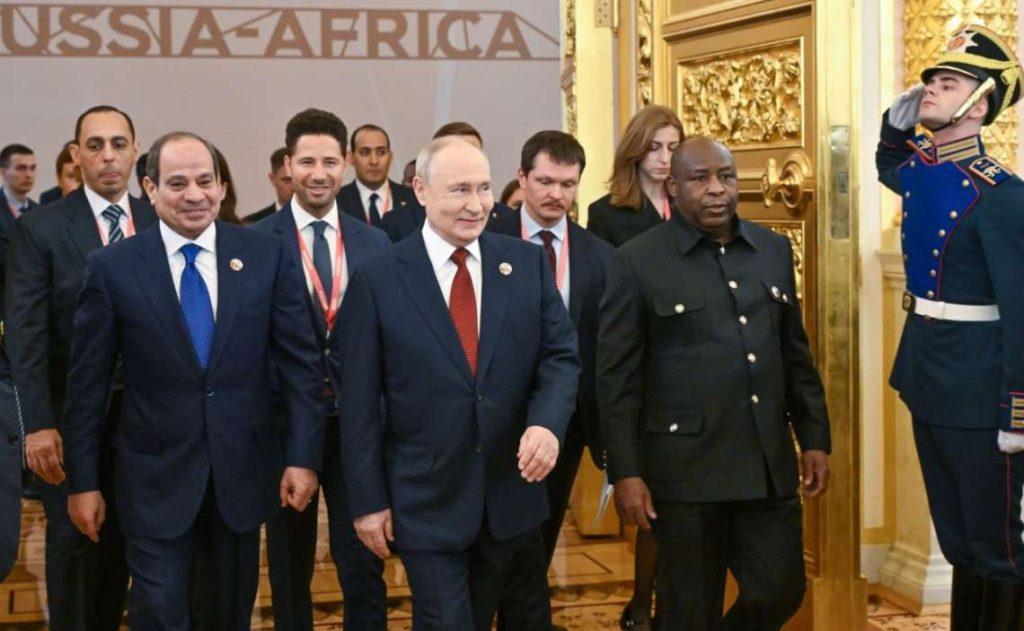
Russian companies are involved in projects across Africa in energy production, peaceful nuclear energy, mining, mineral extraction, industrial cooperation, logistics and tourism.
Putin said Russian businesses worked with local partners, shared technology and expertise, employed local contractors and reinvested earnings in national economies. He also highlighted their involvement in humanitarian initiatives and environmental programmes.
However, the broader significance for African economies lies in whether such investments can support local industrial capacity, create sustainable employment and contribute to the development of infrastructure and skills.
Financial cooperation is another area Moscow wants to expand. Putin said the rouble accounted for 85 per cent of trade settlements between Russia and African countries, describing the use of national currencies as a way to make commercial relations more resilient to external pressures and global economic fluctuations.
Food security also featured prominently in the discussions. Russia said it supplied more than 18 million tonnes of grain to African countries in 2025 and another 13 million tonnes during the first nine months of 2026.
Russian exports of mineral fertilisers reached approximately 1.5 million tonnes last year and had exceeded 2.2 million tonnes this year, Putin said.
He also referred to Russian contributions to the United Nations World Food Programme’s budget for agricultural projects in African countries, alongside humanitarian assistance provided to nations in need.
For African governments confronting food production challenges, access to grain, fertilisers and agricultural technology remains an important element of international cooperation. Putin said Russia was prepared to share its expertise and technology, adding that modern agricultural practices could help the continent become self-sufficient and eventually develop into a major food exporter.
Technology, education and healthcare opportunities
Technology is emerging as another area in which the two sides intend to strengthen their relationship. The summit adopted a declaration on cooperation in the civilian application of artificial intelligence, signalling an interest in expanding collaboration beyond traditional sectors such as agriculture, mining and energy.
Putin said Russian businesses were already involved in initiatives to introduce digital services across the continent. The new declaration is expected to provide a framework for further cooperation in civilian AI applications.
For African countries, access to technology and technical expertise could support efforts to improve public services, strengthen businesses and develop digital infrastructure. The summit documents, however, do not specify individual projects, funding commitments or implementation targets.
Healthcare and epidemic prevention were also highlighted as areas of growing engagement. Russia supplies medicines and mobile laboratories to African countries, while joint exercises are conducted to improve preparedness for infectious disease outbreaks.
Education remains another established component of the relationship. Nearly 40,000 African students are currently studying at Russian universities, while more than 300,000 have graduated from Russian institutions over the years, according to Putin.
Russia is also establishing branches of its universities and educational and cultural centres across the continent. These initiatives are intended to expand educational links and promote Russian language and culture.
A stronger African voice in global affairs
Beyond bilateral economic relations, the summit provided an opportunity to discuss Africa’s position in international institutions.
Putin said Russia supported greater representation for African countries in global decision-making, including in the United Nations Security Council and international financial institutions. He also referred to shared positions on the need for equal dialogue and respect for the interests of all countries.
He welcomed the UN General Assembly resolution establishing 14 December as the International Day against Colonialism and the organisation’s recognition of the transatlantic slave trade as the gravest crime against humanity.
Security cooperation was another major subject. Putin said Russia had concluded intergovernmental agreements on military and military-technical cooperation with 45 African countries. Military personnel and law enforcement officers from African nations also receive training at Russian educational institutions.
He said Moscow supported the principle of African solutions to African problems and was working with countries on the continent to strengthen domestic stability, security and defence capabilities.
Russia has also expanded its diplomatic presence in Africa since the previous summit in 2023, opening eight new embassies and taking its total to 48. Its six trade missions currently cover 16 African countries.
Putin welcomed plans by Botswana, Seychelles and Togo to open embassies in Moscow, describing the expansion of diplomatic representation as an important part of strengthening relations.
The summit concluded with a joint press conference involving Putin and Burundi President Évariste Ndayishimiye, the current chairperson of the African Union.
The three adopted documents set out a framework for cooperation through 2029. For African countries, the challenge will be to turn the commitments into practical outcomes that support trade diversification, food production, technology development, employment and a stronger role in international affairs.