
Ongoing Middle East conflict halts shipments worth millions, disrupts key trade routes and impacts tea, meat and flower exports across Kenya’s economy…reports Asian Lite News Desk
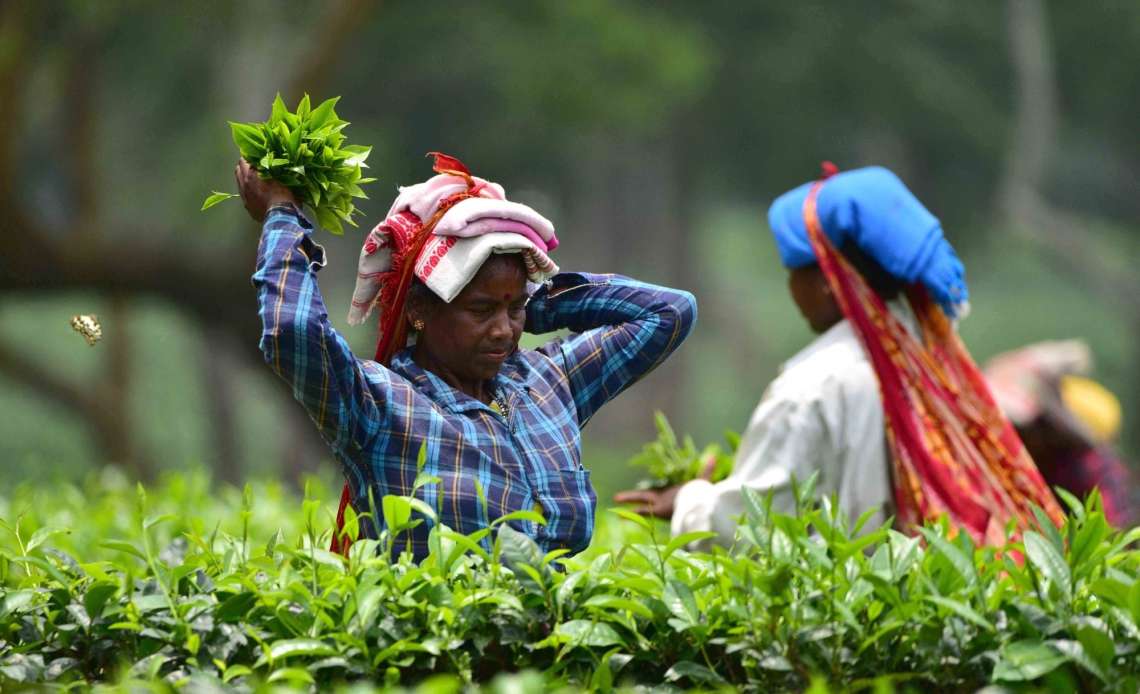
Kenya’s vital tea trade has taken a major hit as the ongoing conflict in the Middle East continues to disrupt global supply chains, leaving thousands of tonnes of produce stranded at the port of Mombasa.
According to the East African Tea Trade Association, between 6,000 and 8,000 tonnes of tea—valued at around $24 million—remain stuck at the key export hub. The association, which oversees tea auctions in Mombasa, plays a central role in connecting East African producers with global buyers.
Association director George Omuga said the conflict, which began on February 28, has disrupted nearly 65 percent of the East African tea market. While the tea has already been sold, shipments have stalled due to logistical and security challenges affecting major trade routes.
The Middle East, which accounts for roughly 20 percent of the region’s tea exports, has been particularly affected. Ongoing instability has complicated shipping access, while increased risks have driven up insurance costs and freight charges.
Pakistan, the largest buyer of East African tea with an estimated 40 percent market share, has also been impacted. Traders report that rerouted shipping lanes and higher transportation costs have slowed deliveries and reduced demand.
As a result, tea sales have dropped by nearly 20 percent in recent weeks, with industry estimates pointing to losses of around $8 million per week. The situation has raised concerns over sustained financial strain on exporters and farmers across the region.
The disruption is not limited to tea. Kenya’s broader agricultural exports, including meat and horticultural products, are also facing significant setbacks. According to Nicholas Ngahu, CEO of the Kenya Meat and Livestock Exporters Industry Council, only about five percent of the country’s usual daily meat exports were delivered during the first three weeks of March.
Typically, Kenya exports between 150 and 200 tonnes of meat per day, much of it destined for Middle Eastern markets. The sharp decline highlights the extent to which the region relies on stable trade routes through the conflict-affected zone.
The flower industry, another key contributor to Kenya’s economy, is also under pressure. The Middle East serves both as a direct market—accounting for 10 to 15 percent of exports—and as a crucial transit hub for shipments heading to Europe.
With no immediate resolution to the conflict in sight, exporters fear prolonged disruption could deepen losses and force adjustments in global trade patterns, underscoring the vulnerability of supply chains to geopolitical shocks.