
The WHO has warned that the Ebola outbreak in the Democratic Republic of the Congo remains concerning, with 400 to 500 new infections reported every week….reports Africa Daily News Desk
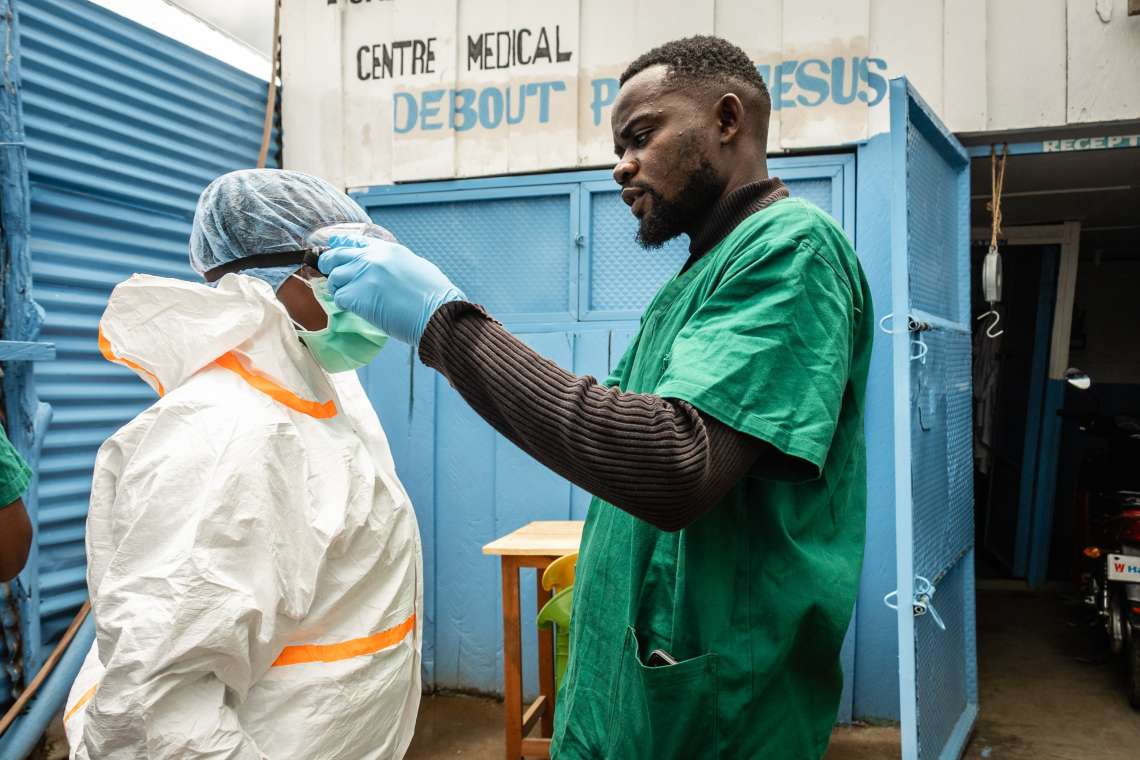
The World Health Organisation (WHO) has warned that the Ebola outbreak in the Democratic Republic of the Congo (DRC) remains a serious concern, with around 400 to 500 new cases reported every week. The agency cautioned that escalating violence, attacks on healthcare facilities and difficulties in reaching affected communities are threatening efforts to contain the disease, raising fears that progress made over the past six months could be reversed.
“The overall picture remains concerning,” Marie Roseline Belizaire, WHO’s regional emergency director for Africa, said during an online press briefing on Thursday.
She warned that although infections had declined in some of the outbreak’s initial epicentres, transmission was continuing to spread into new areas.
Nearly six months after the outbreak was declared, the DRC continues to report between 400 and 500 new cases each week. Belizaire described it as the largest Ebola outbreak in the country’s history and the second-largest ever recorded globally.
According to the latest situation report released by the country’s health authorities, the DRC had recorded 11,114 confirmed cases, including 5,433 deaths, as of Tuesday. The case fatality rate stood at 48.9 per cent, Xinhua News Agency reported.
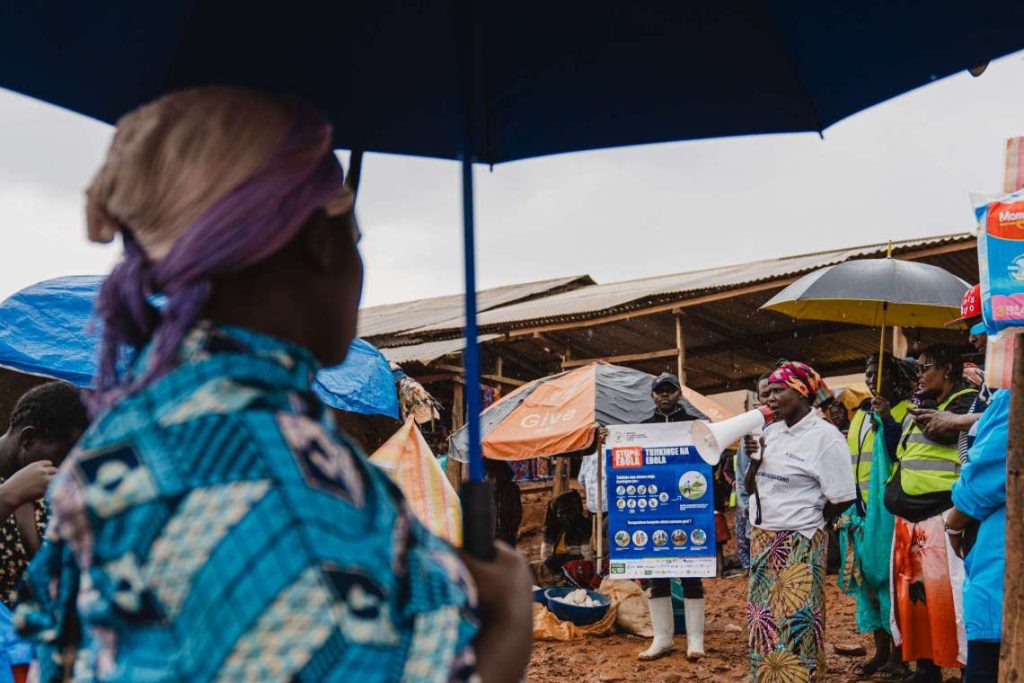
Violence threatens Ebola containment efforts
Belizaire identified insecurity as one of the biggest obstacles to containing the outbreak, revealing that the WHO had verified 81 attacks on healthcare since the epidemic began in May.
She cited an armed attack on November 5 in Cantine-Aloya, in the Beni territory of North Kivu Province in eastern DRC, in which 66 civilians, including three healthcare workers, were killed. Three healthcare facilities were also looted and set on fire.
The attack severely disrupted Ebola response operations, resulting in more than 1,000 contacts being lost to follow-up, while three confirmed patients remained unaccounted for.
“We need an urgent halt in hostilities and violence,” Belizaire said, stressing that healthcare workers and humanitarian teams must be able to reach affected communities safely.
She also called for patients to be able to seek medical assistance without fear of violence.
The WHO official warned that continued insecurity could undo months of progress in controlling the outbreak. Population displacement, worsening humanitarian needs and increased movement of people were making it increasingly difficult for response teams to reach vulnerable communities.
She also flagged the risk of further transmission along major transport routes, particularly the Congo River, as population mobility continued to complicate containment efforts.
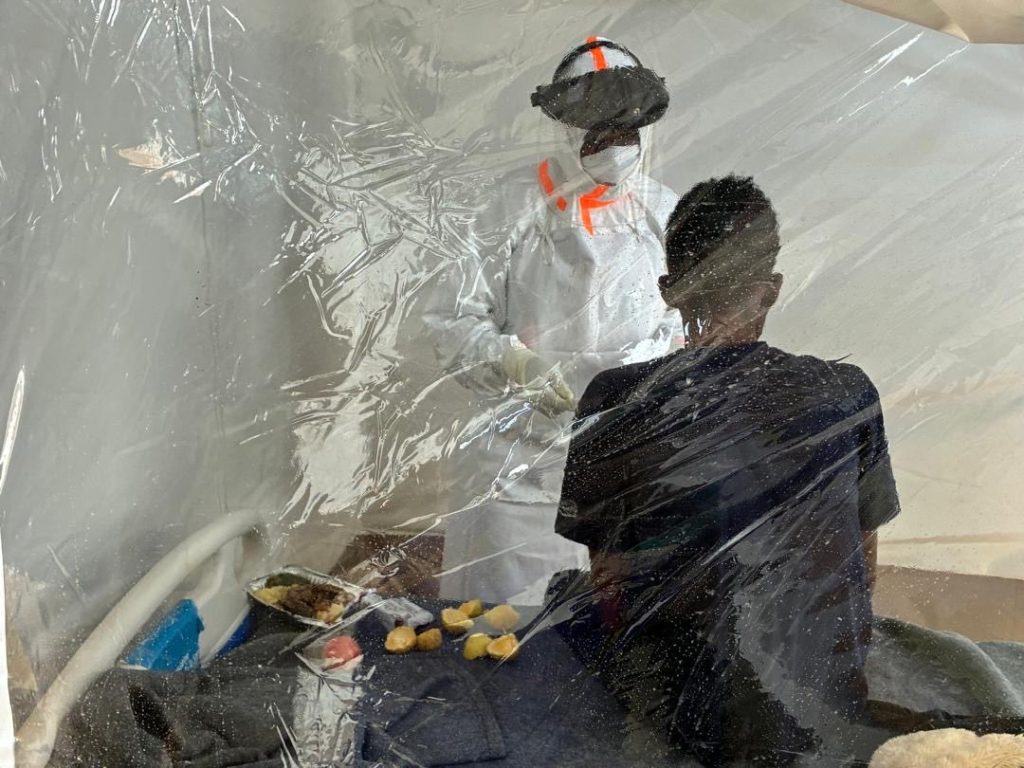
Children account for significant share of infections and deaths
Despite an expanded medical response, Belizaire said many patients were still dying before receiving adequate treatment.
“Too many people are still not being reached quickly enough,” she said, noting that children accounted for more than a quarter of confirmed infections and approximately one-third of deaths.
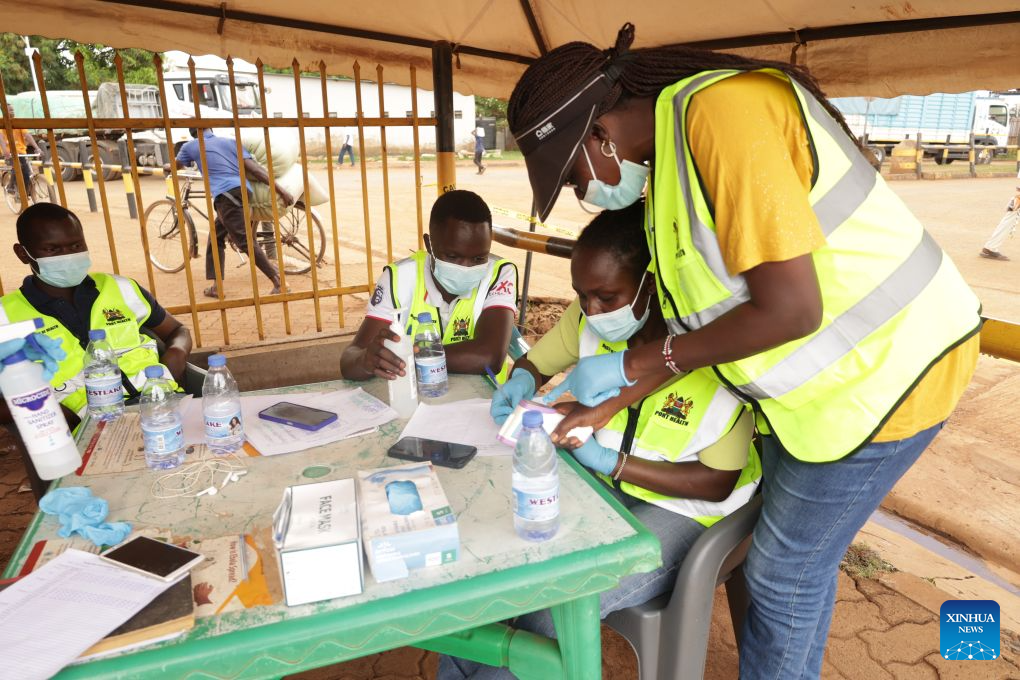
The WHO said diagnostic capacity in the country had expanded significantly, increasing from just two laboratories to more than two dozen. The facilities can now process over 600 samples daily.
Around 2,000 beds are also available across 109 transit and treatment centres to support patients affected by the outbreak.
Research efforts have continued alongside the expansion of healthcare infrastructure, including clinical trials of two vaccine candidates specifically targeting the Bundibugyo Ebola virus responsible for the current outbreak.
However, Belizaire stressed that improved medical facilities and resources alone would not be enough to stop the spread of the disease.
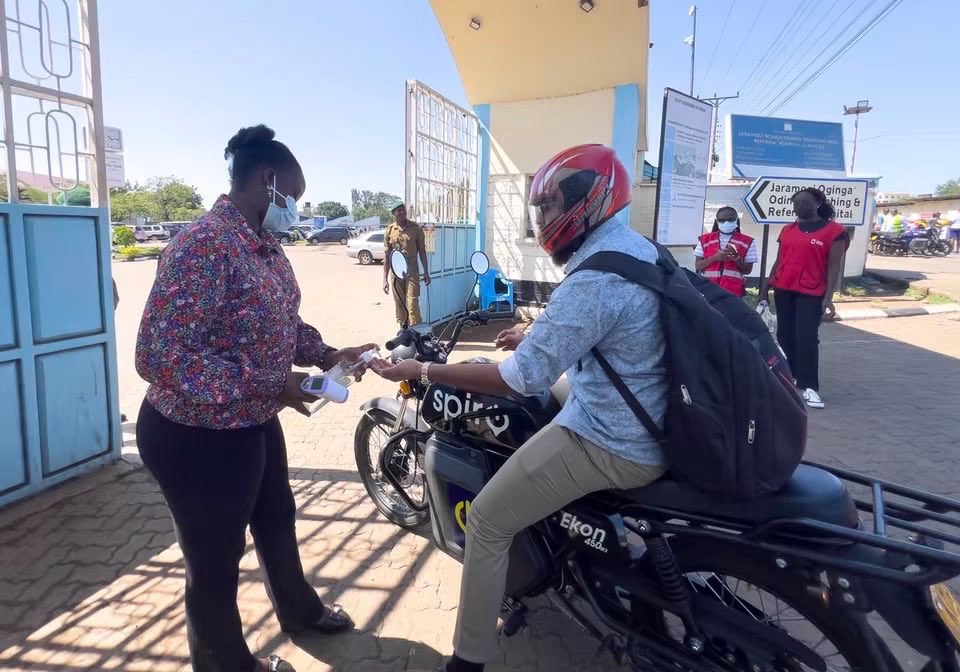
She said timely access to treatment, effective contact tracing and greater trust among local communities were essential to controlling transmission.
“We have the tools and the expertise, but they cannot stop transmission if people cannot access them or do not trust the response,” she said.
“Six months into this outbreak, important progress has been made, but the continuing loss of life and spread to new areas show that much more needs to be done,” she added.