
South Africa aims to expand access to affordable early learning, targeting an additional 300,000 children by 2027 and 900,000 more by 2030….reports Africa Daily News Desk
South Africa has renewed its push to expand access to affordable early childhood learning, with the government aiming to reach an additional 300,000 children by 2027 and a further 900,000 by 2030.
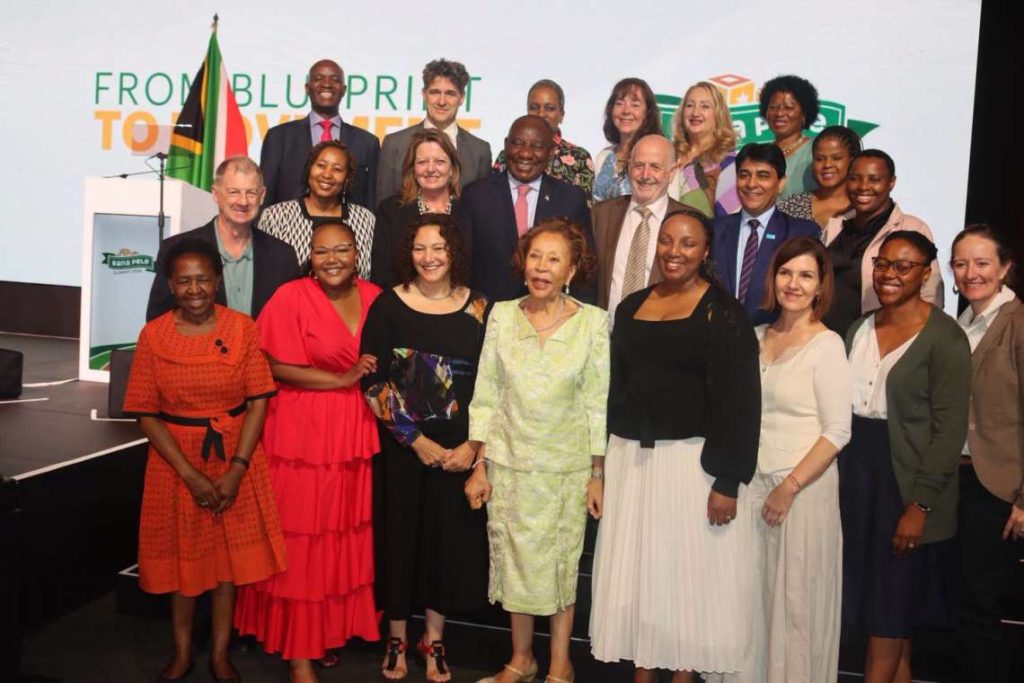
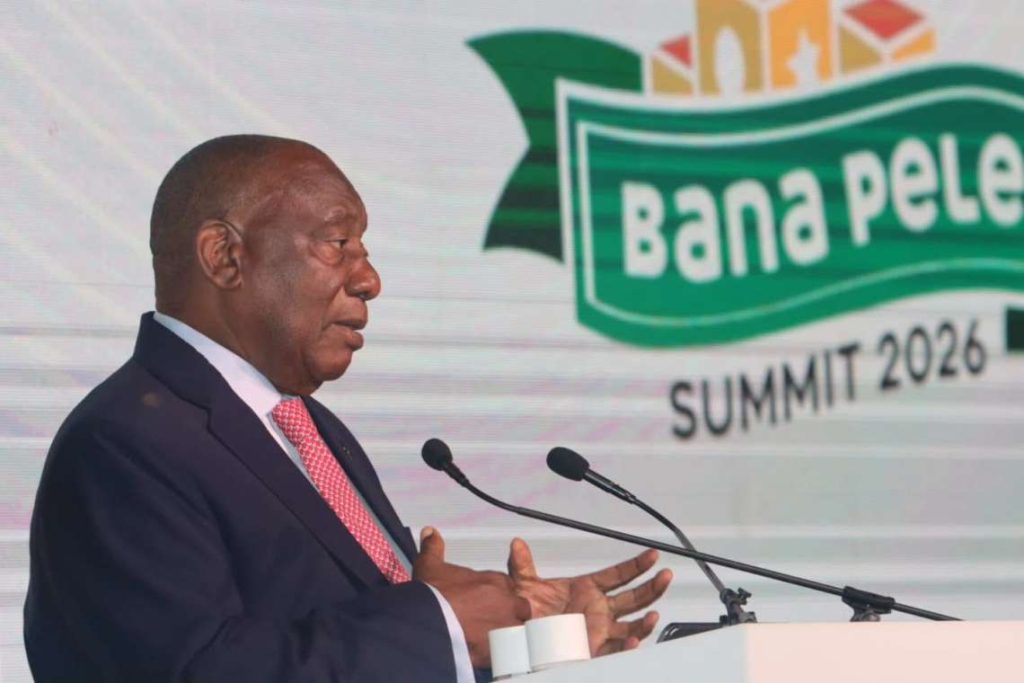
The plans were outlined ahead of the second Bana Pele Leadership Summit in Gauteng, which brings together government, early learning practitioners, communities, businesses, funders and civil society to assess progress towards improving early childhood development (ECD) across the country.
Bana Pele, meaning ‘children first’ in Sesotho, is a campaign led by the Department of Basic Education to strengthen and transform the delivery of early learning.
The government aims to ensure that all children aged three to five have access to affordable, equitable and quality early learning programmes by 2030. However, more than 1.3 million children in this age group are not enrolled in any early learning programme.
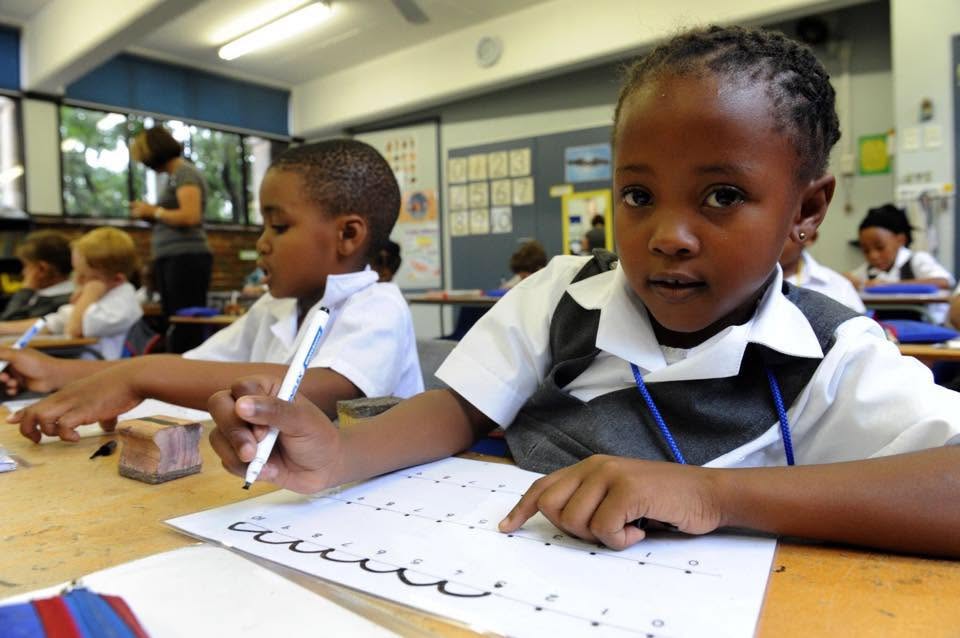
Early childhood development plays a significant role in shaping children’s cognitive, social, emotional and behavioural development. Quality early learning helps children develop foundational literacy and numeracy skills, including recognising letters and numbers, building vocabulary, counting and solving simple problems.
These skills are increasingly important as Grade R is now compulsory, with children expected to develop basic learning abilities by the time they turn five.
The government says expanding access to early learning is essential to reducing historical inequalities, particularly as children from poorer communities are less likely to attend early childhood development centres because their families struggle to afford fees.
Also Read: Marseille Bans All Protests Amid France Violence
Children in better-resourced communities are more likely to enter the foundation phase with stronger reading comprehension and basic numeracy skills, highlighting the gap in educational opportunities.
The summit is expected to review progress towards closing these gaps and improving access to early learning for children across different communities.
Government seeks wider support for early learning
Over the past two years, the government has increased investment in early learning, including raising subsidies for children attending ECD programmes and committing additional resources to expand access.
However, the government has stressed that increased funding alone will not be enough. Public resources must reach the communities and programmes where support is most urgently needed.
Through the Bana Pele Mass Registration Drive, thousands of previously unregistered early learning programmes have begun the process of formal registration. The initiative aims to bring more providers into the national system, improve information about where programmes operate and identify areas requiring additional assistance.
The government has also highlighted the wider economic and social benefits of investing in early childhood development. Early learning is linked not only to education but also to healthcare, social protection, employment and economic growth.

Such investment is expected to help strengthen schools, improve community wellbeing, support inclusive growth and develop a more capable workforce over the coming decades.
Early learning programmes also form an important part of South Africa’s care economy. Many are run by women whose work supports their livelihoods while enabling parents and caregivers to work, study or provide for their families.
The government has acknowledged the dedication of early childhood development practitioners, many of whom continue operating despite financial difficulties.
An example cited in the address was an early learning centre in Bizana in the Eastern Cape, where staff continued caring for children even when they could not be paid. The practitioners told the visiting official they would not turn away children because their families could not afford the already low fees.
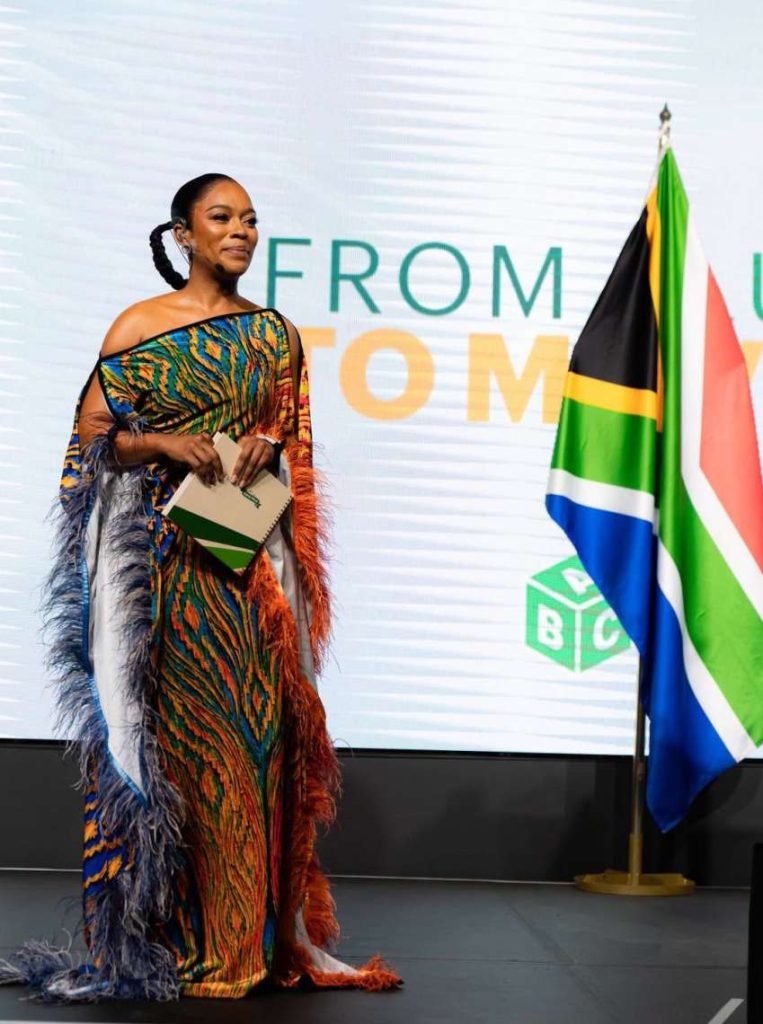
The government said practitioners play a vital role in shaping children’s future educational outcomes and pledged to support them and ensure their contribution receives greater recognition.
It has also called on the private sector to play a larger role in expanding early learning. While many companies support education through their environmental, social and governance strategies, much of this investment focuses on basic education rather than early childhood development.
Businesses could help expand access by subsidising fees, improving facilities and funding training for practitioners.
The government has described early learning as a shared national responsibility, arguing that investment in young children can benefit families, local economies and the country’s long-term development.