
Egyptian President Abdel Fattah el-Sisi said the country’s constitution “would not be touched”, signalling that he would not seek further constitutional changes to remain in power beyond his current term….reports Africa Daily News Desk
Egyptian President Abdel Fattah al-Sisi has said he will leave office when his presidential term expires in 2030, describing the decision as “completely settled” amid speculation about whether he might seek to extend his rule.
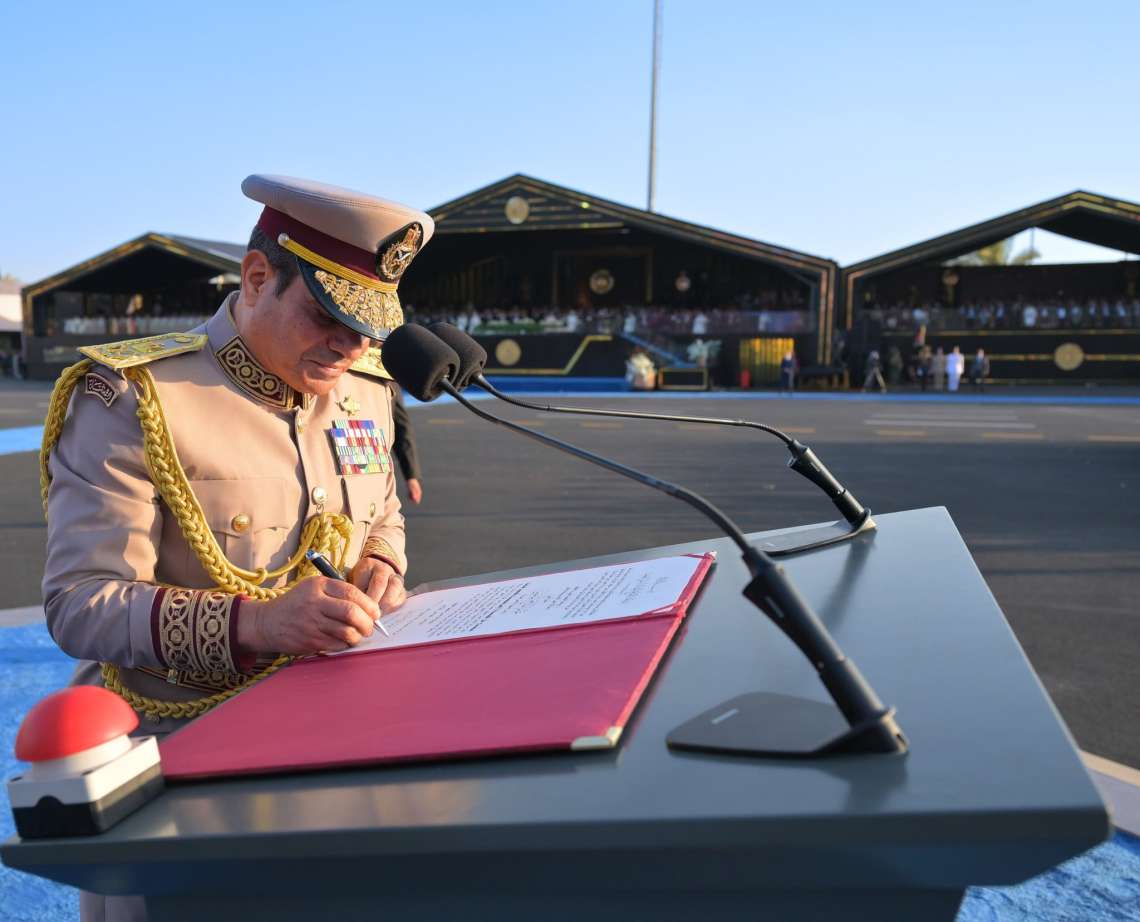
Sisi made the announcement on Saturday while addressing graduates and state officials in a newly developed city east of Cairo. He also said Egypt’s constitution “would not be touched”, signalling that he would not pursue further constitutional changes to remain in power beyond his current term.
“The period leading up to 2030 will be the end of my term as president of the state, if I am still alive. This is completely settled and there will be no discussion about it,” he said.
The 71-year-old president added that the period leading up to 2030 would be used to prepare a new generation of leaders, although he did not provide further details about the process.
Sisi, a former army general, became president in 2014. Under the original constitutional provisions, presidents were limited to two four-year terms. However, a constitutional amendment approved in a referendum later extended presidential terms to six years and included transitional provisions that allowed Sisi to run for another term.
He was re-elected in December 2023, securing a third term that is scheduled to end in 2030. The constitutional changes had fuelled speculation among critics and opposition figures that further amendments could be introduced to allow him to remain in office beyond that date.
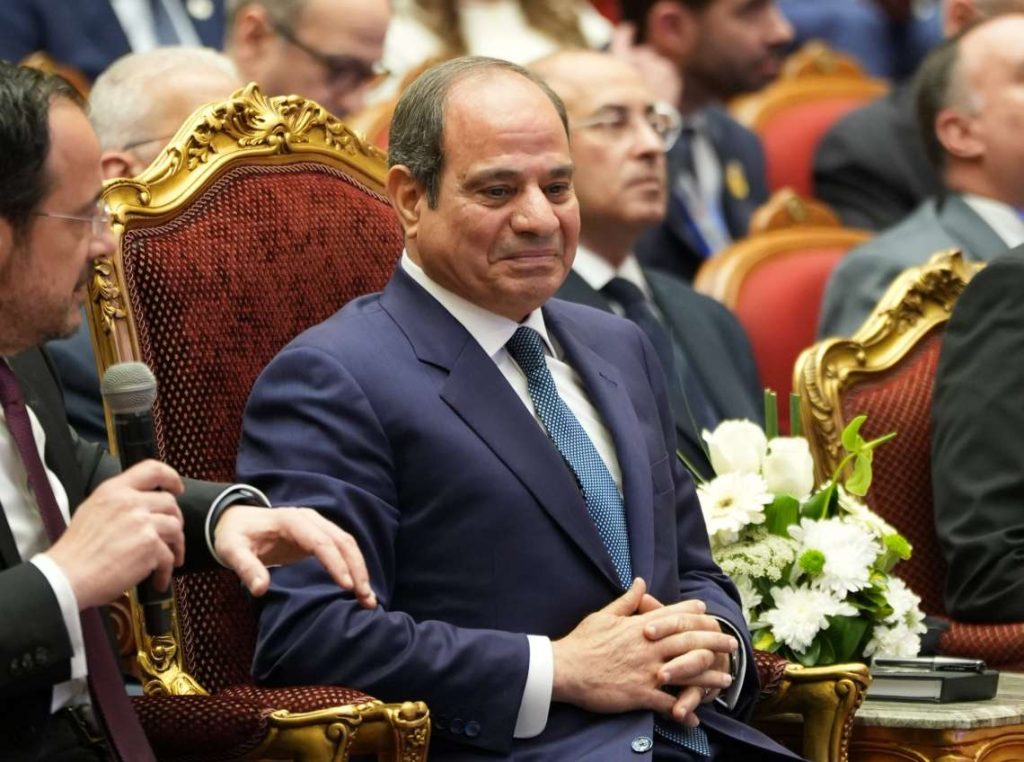
His latest remarks appear intended to address those concerns, although the announcement does not itself alter Egypt’s constitutional or political arrangements.
During his 12 years in power, Sisi has overseen an ambitious state-led development programme, with major infrastructure projects and new urban developments forming a central part of his administration’s economic strategy.
Supporters argue that these projects are intended to modernise the country, improve infrastructure and support economic development. Critics, however, have questioned the financial costs of the programme, arguing that heavy borrowing has contributed to Egypt’s mounting debt burden.
Sisi’s government has also faced sustained criticism over its human rights record. Rights organisations accuse the authorities of restricting political opposition, civil society activity and freedom of expression.
The government maintains that its policies are necessary to preserve national stability and security.
The announcement comes as questions about political succession and the future leadership of Egypt remain significant issues ahead of the end of Sisi’s current term. His pledge to leave office in 2030 places the focus on how a new generation of leaders might emerge and what political conditions will shape the transition.
However, details about the succession process and the steps that will be taken to prepare future leaders remain unclear.