
IMF AI energy debt warning highlights growing risks to global growth as Kristalina Georgieva urges policymakers to tackle inflation, energy shocks and debt….reports Asian Lite News Desk
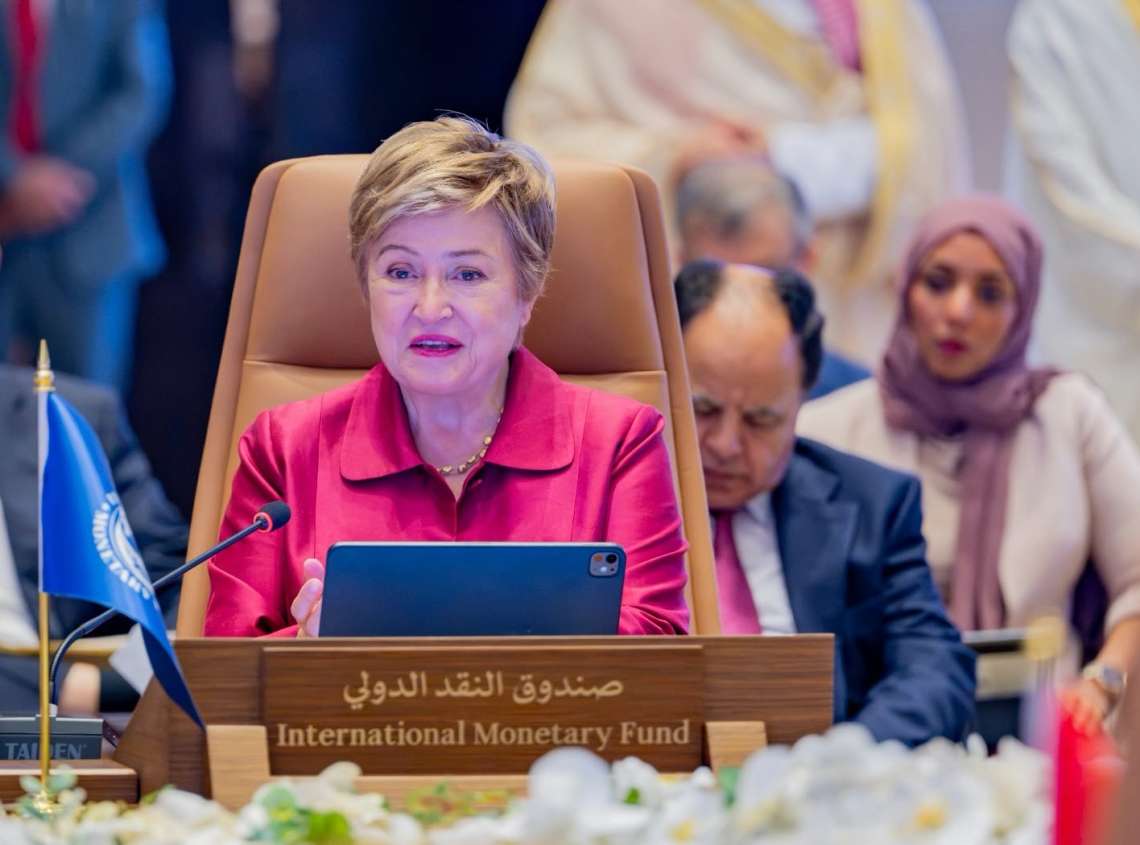
Global economic growth is facing competing pressures from a surge in artificial intelligence investment, an energy supply shock and record public debt, IMF Managing Director Kristalina Georgieva has warned. She urged policymakers to act quickly as governments confront rising inflation risks and uneven economic impacts across countries.
Georgieva said the three pressures would be central to discussions when finance ministers and central bank governors from the IMF’s 191 member countries meet in Thailand next week for the IMF-World Bank Annual Meetings.
“To put it simply, the global economy is being pulled in two directions: a negative energy supply shock and a positive demand shock from AI,” Georgieva said in a speech in Singapore.
“The combined impact of these two forces is highly uneven across the world.”
The IMF’s World Economic Outlook, due to be released next week, is expected to show that economies affected by wars, including Ukraine and countries in the Gulf, have suffered some of the largest growth impacts this year.

Energy-importing economies with limited capacity to absorb external shocks are also among those facing greater pressure.
At the same time, artificial intelligence is rapidly reshaping investment, trade and the economic prospects of countries.
“Love it, hate it, or fear it, AI is here, rapidly becoming a key driver of countries’ relative fortunes in the world economy,” Georgieva said.
She said global AI investment as a share of GDP could reach or exceed levels historically associated with the construction of major railway networks, electricity grids and telecommunications infrastructure.
AI hardware and related technology products already account for more than one-tenth of global goods trade, according to IMF estimates.
The United States, China and India are among the world’s major net importers of AI hardware while simultaneously investing in infrastructure to become leading AI providers, Georgieva said. Five of the other seven economies in the global top 10 are also in Asia.
However, she warned that the AI boom was not benefiting many countries to the same extent, potentially widening economic inequality between nations.
How are energy prices affecting the global economy?
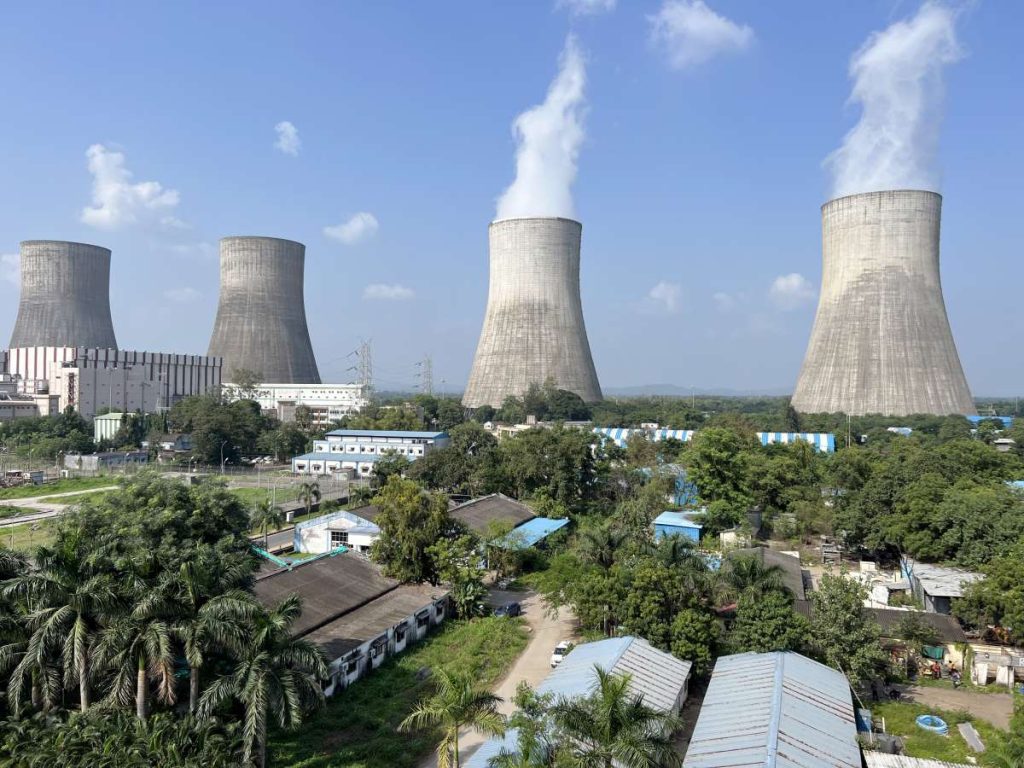
Energy represents a contrasting pressure on global growth, with supply disruptions continuing to affect prices.
Georgieva said oil prices remained around $100 a barrel despite a tentative recovery in flows from the Gulf. A structural shortage in global refining capacity has also pushed diesel and other refined-product prices to record levels.
Natural gas supplies from the Gulf remain severely disrupted, while threats to shipping through the Strait of Hormuz have constrained liquefied natural gas transportation, particularly affecting economies in Asia and Europe.
“And, to quote from Game of Thrones, winter is coming,” Georgieva said, warning that energy pressures could increase as demand rises in the Northern Hemisphere and countries seek to replenish reserves.
She said even an early end to the conflict in the Gulf would not necessarily bring a rapid decline in energy prices. Brent futures indicate that elevated oil prices could continue through 2027, she said.
The third major challenge is public debt. Global government debt is close to its highest level since the aftermath of the Second World War and is projected to exceed 100 per cent of global GDP.
Advanced economies account for some of the highest debt burdens, while higher interest rates are increasing the cost of servicing government borrowing.
Georgieva cautioned against assuming that stronger future economic growth or AI-driven productivity gains would automatically resolve fiscal pressures.
“We cannot keep delaying necessary policy action—you have the tools, now have the wisdom to use them,” she said.
She also warned that AI investment, energy and food shocks, tariffs, increased defence spending and elevated public debt could add to inflationary pressures.
“Now may be a good time for a prudently hawkish bias in many countries’ monetary policy,” Georgieva said.
Despite the risks, she said AI could provide a significant long-term boost to the global economy if policymakers manage the transition effectively.