
India and Africa are deepening industrial partnerships as investment, engineering expertise, critical minerals and expanding markets create new opportunities across their economies…reports Africa Daily News Desk
India and Africa are moving towards a more reciprocal economic relationship, with investment, industrial partnerships and supply-chain cooperation increasingly complementing traditional trade in raw materials and finished goods, according to a recent report.
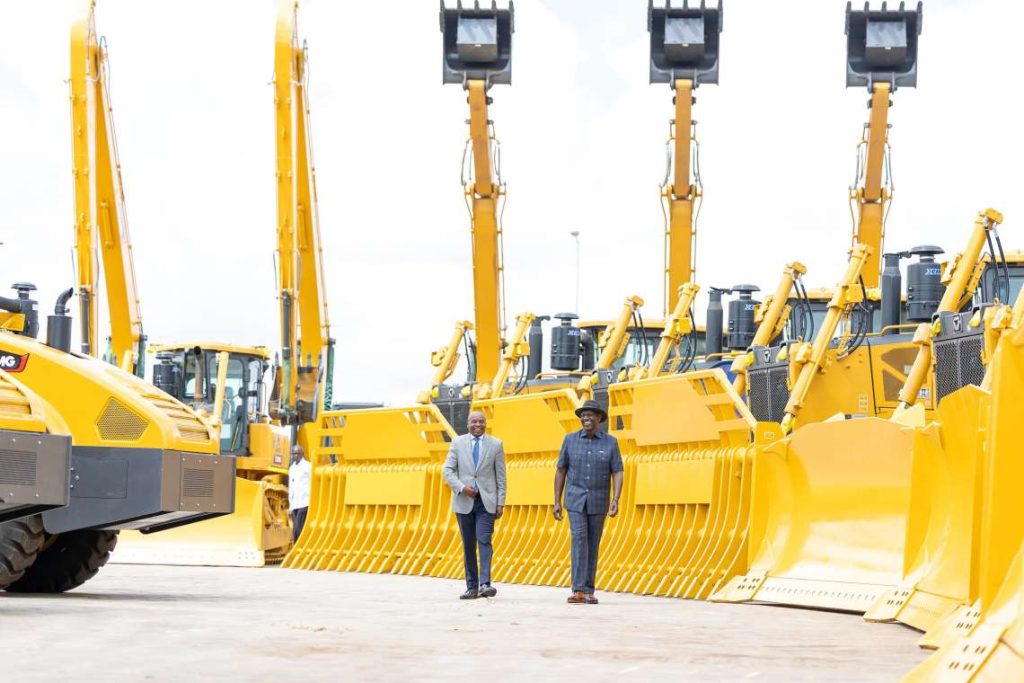
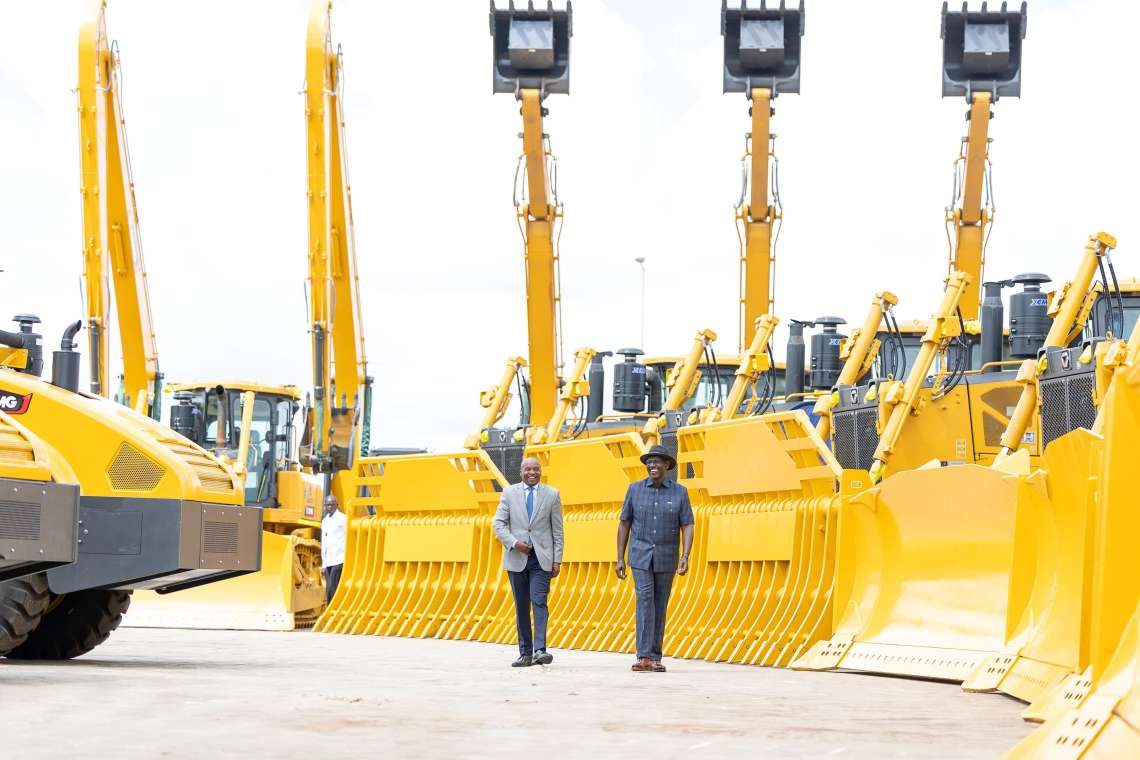
A report by Modern Ghana, cited by IANS, points to the planned $16 billion refinery and petrochemical complex in Lamu, Kenya, as an example of the changing relationship. Indian state-owned Engineers India Ltd has secured a contract worth more than $450 million from Nigeria’s Dangote Group to provide project management and engineering, procurement and construction management services for the 700,000-barrel-a-day facility.
The deal gives an Indian engineering company a major role in an African-led industrial project and extends a partnership established during the development of Dangote’s large refinery in Nigeria.
Construction of the Lamu project began this week, with Dangote and Kenyan President William Ruto presenting it as part of a broader push to strengthen Africa’s industrial capacity and reduce dependence on imported refined fuel. Reuters reported that the project is expected to be completed by 2030 and could serve markets across East Africa.
The growing cooperation reflects a broader shift in the way India and African economies are engaging with each other.
India’s Ministry of External Affairs says bilateral trade reached $81.99 billion in the 2024-25 financial year, with Indian exports to Africa at $42.6 billion and imports at $39.2 billion. India’s cumulative investment in Africa was estimated at about $80 billion between 1996 and 2025.
Indian exports to African markets include petroleum products, pharmaceuticals, automobiles, engineering goods, food grains, chemicals and textiles. African exports to India include crude oil, natural gas, coal, fertilisers, pulses and precious stones.
The next stage of the relationship is increasingly focused on processing and manufacturing within Africa rather than simply moving raw materials between the two regions.
India’s Commerce Ministry has identified agriculture and food processing, digital infrastructure, healthcare and pharmaceuticals, renewable energy, critical minerals, electric mobility, manufacturing and emerging technologies as areas with potential for deeper cooperation. It has also highlighted the African Continental Free Trade Area as an opportunity for Indian companies seeking access to a more integrated African market.
Critical minerals and supply chains
Africa’s natural-resource base is particularly significant for India’s efforts to diversify supply chains.
The continent holds substantial reserves of minerals needed for energy technologies and manufacturing, while its oil and gas resources and agricultural output can also contribute to India’s growing demand for industrial and consumer inputs.
The report argues that stronger African processing and value addition could improve returns for African economies while giving Indian businesses more diversified sources of supply.
For African countries, Indian investment can bring engineering expertise, technology and access to financing, while Indian companies can gain proximity to rapidly growing markets.
The opportunity extends beyond extractive industries. African economies require investment in roads, railways, ports, electricity networks and digital infrastructure to connect producers with consumers and strengthen regional trade.
Rapid urbanisation and rising demand for energy, healthcare, transport, housing and consumer products are creating opportunities for companies operating across both regions.
Sectors including cement, fertilisers, petroleum refining, automobiles, pharmaceuticals, agricultural processing, renewable energy and logistics are expected to remain important areas for industrial cooperation.
The Lamu refinery illustrates how that model can work in practice. African capital and resources are being combined with Indian engineering capabilities on a project designed to serve African markets.
The partnership also builds on India’s established commercial presence across the continent. Indian companies operate in sectors including energy, mining, telecommunications, manufacturing, agriculture and services, while Indian infrastructure firms have participated in road, rail, power and transmission projects in several African countries.
The emerging model is therefore less about a one-way flow of goods and more about connecting capital, technology, resources and markets across two rapidly changing economies.