
The UN Security Council has warned that a Houthi advance towards the Bab al-Mandab Strait could further threaten international shipping….reports Africa daily News Deks
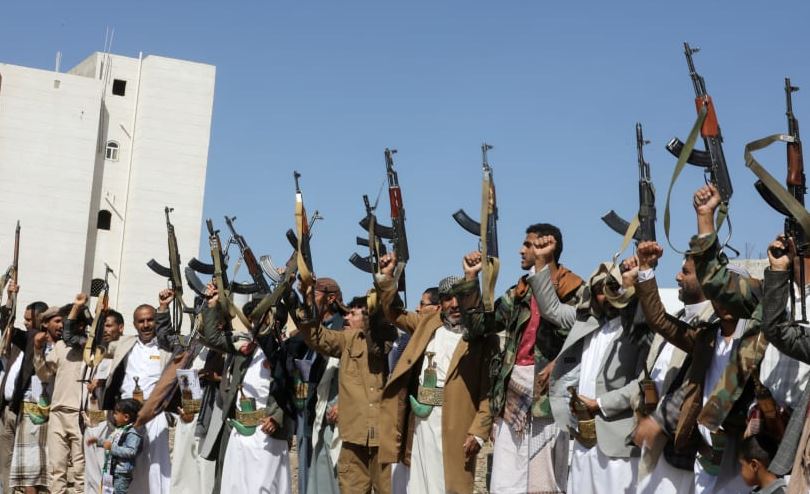
The United Nations Security Council has been warned that an intensifying Houthi advance towards the Bab al-Mandab Strait could create a fresh threat to global shipping and trade, adding pressure to an already disrupted maritime environment in the region.
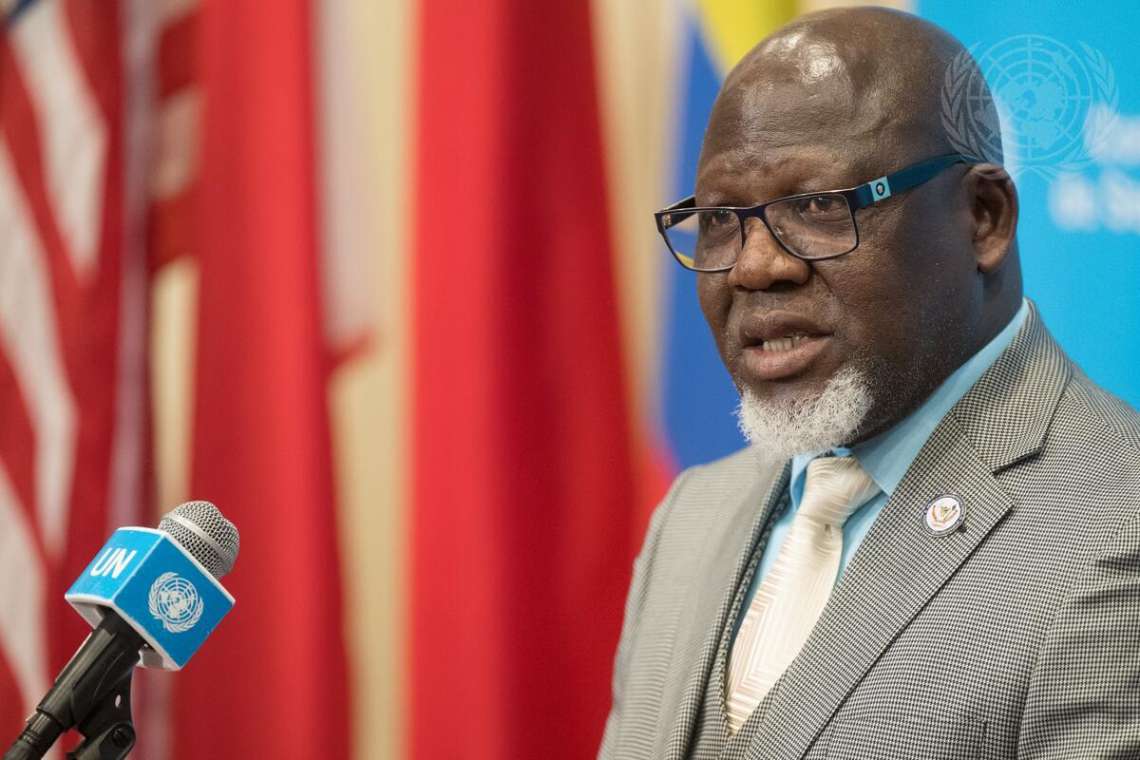
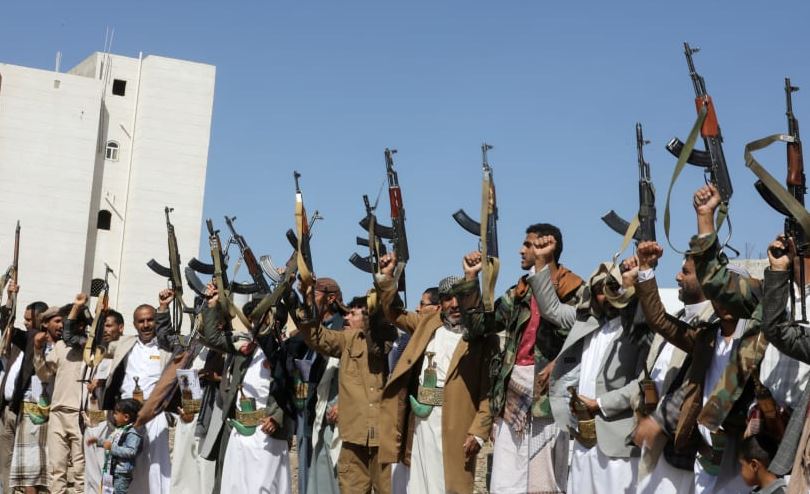
At an emergency Security Council meeting on Tuesday, UN Assistant Secretary-General Khaled Khiari said fighting had intensified along Yemen’s western coast as Houthi forces advanced towards the strategic strait and reportedly captured several islands in the southern Red Sea.
“The situation in and around the Bab al Mandab Strait has become increasingly volatile in recent days,” Khiari told the Council.
He said the developments underlined the need to prevent Yemen’s conflict from further threatening security in the Red Sea and freedom of navigation through the key international maritime route.
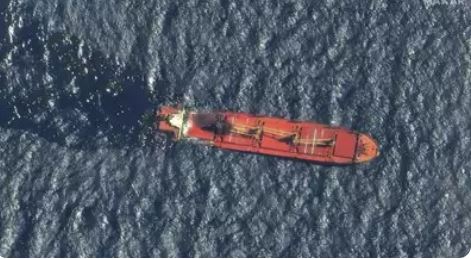
The Bab al-Mandab Strait connects the Red Sea with the Gulf of Aden and provides access to the Suez Canal, making it an important route for commercial shipping between Asia and Europe.
The UN warning comes as maritime traffic through the Strait of Hormuz, another critical global shipping chokepoint, has also been disrupted. The simultaneous risks around the two waterways have raised concerns over the potential impact on energy supplies, shipping costs and international trade.
The Red Sea corridor carries a significant share of global maritime commerce, including around 12 per cent of global trade and roughly 30 per cent of container traffic, according to industry estimates.
Khiari said commercial shipping through the Red Sea appeared to remain unaffected for the time being, according to maritime tracking data, but warned that the Houthi advance had added to market concerns amid continuing disruption in the Strait of Hormuz.
Greece’s permanent representative to the UN warned that further escalation around the entrance to the Red Sea could have serious consequences for maritime security, global trade and economic activity.
Saudi Arabia’s Permanent Representative Abdulaziz M Alwasil, whose country has faced Houthi attacks, accused the group and its allies of seeking to put pressure on strategic waterways and the global economy.
The United States also called for action against Iran, which Washington accuses of supplying and directing the Houthis. Tehran has rejected such accusations in the broader regional conflict.
Bahrain’s Permanent Representative Jamal Fares Alrowaiei said the Houthis continued to threaten navigation and vital maritime routes despite repeated Security Council condemnation.
“Despite repeated condemnation by the Security Council, the Houthi militias continue to threaten and disrupt navigation and vital maritime lifelines,” he said, calling for a more decisive response.
Yemen’s Permanent Representative Abdullah Ali Fadhel Al-Saadi said his government was attempting to prevent the Houthi advance along the western coast, warning that further territorial gains could threaten international shipping.
Al-Saadi told the Council that the developments had implications beyond Yemen and urged stronger enforcement of the UN arms embargo on the Houthis.
The Houthi advance has already affected shipping patterns in the region. Recent maritime data showed vessel traffic through the Bab al-Mandab Strait falling sharply after the group seized key positions, including Perim Island.
At the same time, some major container carriers have begun resuming services through the Suez Canal despite the heightened security risks, highlighting the importance of the route to international commerce.
Khiari urged all sides to prevent further escalation, protect civilians and respect international law. He also called for freedom of navigation through the Red Sea and Bab al-Mandab to be maintained.
The UN official urged the parties to pursue dialogue and engage with UN-led efforts towards a negotiated political settlement, warning that further escalation could deepen both Yemen’s humanitarian crisis and risks to international maritime security.