
DR Congo remains at the centre of a worsening Bundibugyo virus outbreak that continues to challenge containment efforts….reports Africa Daily News Desk
The World Health Organization (WHO) has warned that the Bundibugyo virus disease (BVD) outbreak in the Democratic Republic of the Congo (DRC) is continuing to deteriorate, with sustained community transmission, rising deaths and expanding geographic spread raising concerns over further regional transmission.
According to WHO’s latest Weekly External Situation Report, released with data up to June 14, the DRC has recorded 808 laboratory confirmed cases and 192 deaths, representing a case fatality ratio of 23.8 per cent. The outbreak has intensified significantly over the past week, with 258 new confirmed cases and 91 additional deaths reported since June 7.
Health officials said the virus has now spread across 31 health zones in the eastern provinces of Ituri, North Kivu and South Kivu, up from 25 affected health zones a week earlier. Newly affected areas include Tchomia, Kambala and Nia Nia in Ituri Province, as well as Mabalako, Masereka and Vuhovi in North Kivu.
WHO noted that while some newly reported cases may reflect previously undetected transmission, others indicate recent spread into new communities, underscoring the challenges facing containment efforts.
Ituri Province remains the epicentre of the outbreak, accounting for 738 cases and 153 deaths, or more than 90 per cent of all infections recorded in the country. The health zones of Bunia, Mongbwalu, Rwampara and Nyankunde continue to report the highest number of infections.
Meanwhile, North Kivu has emerged as an area of growing concern. The province has reported 62 confirmed cases, with 58 occurring within the last three weeks, indicating increasingly active transmission chains. Katwa, Butembo and Beni remain the worst affected areas in the province. WHO also reported that North Kivu has the highest case fatality ratio at 56.7 per cent, significantly higher than rates recorded in Ituri and South Kivu.
The outbreak has also crossed borders into neighbouring Uganda, although the situation there appears more stable. Uganda has recorded 20 cases, including 19 confirmed and one probable infection, along with three deaths. No new confirmed cases have been reported since June 5, suggesting a possible stabilisation of transmission. However, WHO said the Ugandan outbreak remains epidemiologically linked to cross border spread from the DRC.
The agency continues to assess the national risk as “very high” in the DRC and “high” in Uganda, while maintaining that regional and global risks remain low. Nevertheless, porous borders, insecurity, population displacement and frequent cross border movements continue to create conditions for further spread.
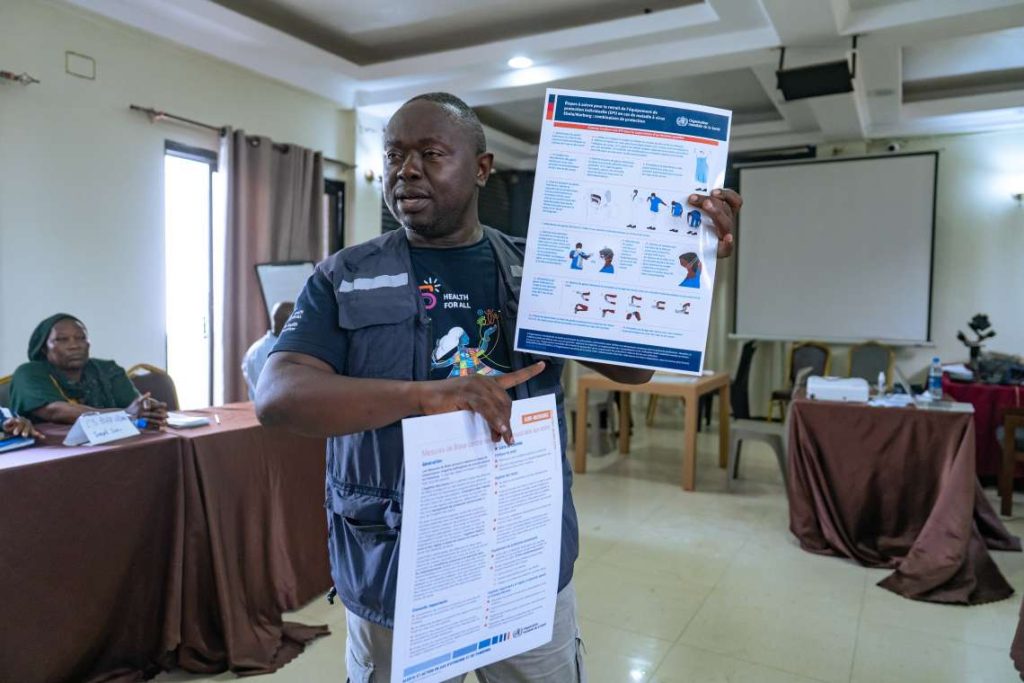
Containment efforts are facing mounting challenges. More than 6,100 contacts are currently under monitoring in the DRC, but only 63.1 per cent were reached within the previous 24 hours. Contact tracing rates remain particularly weak in North Kivu and Ituri, hampering efforts to break transmission chains.
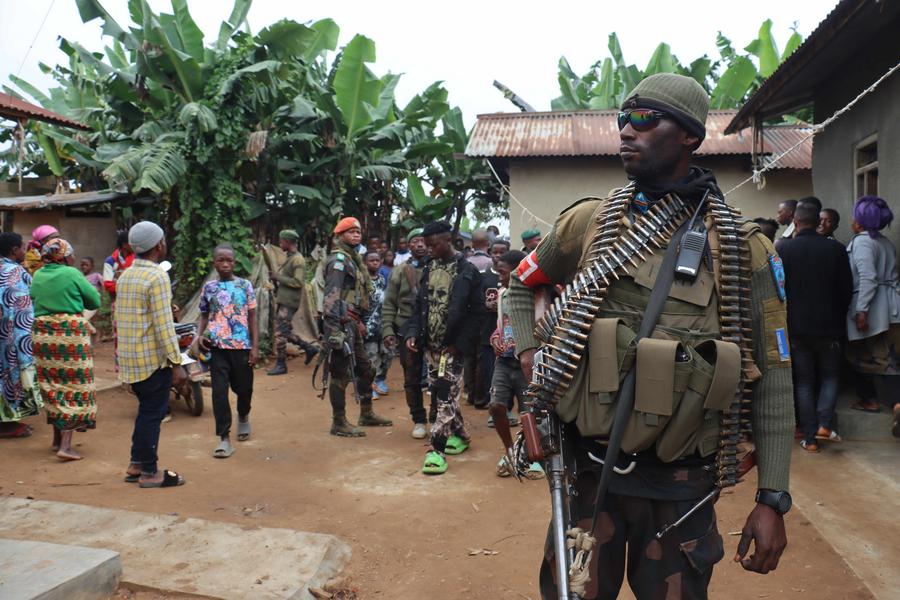
WHO said insecurity linked to armed groups, artisanal mining activities and community resistance are further complicating surveillance operations, safe burials and access to healthcare services in affected regions.
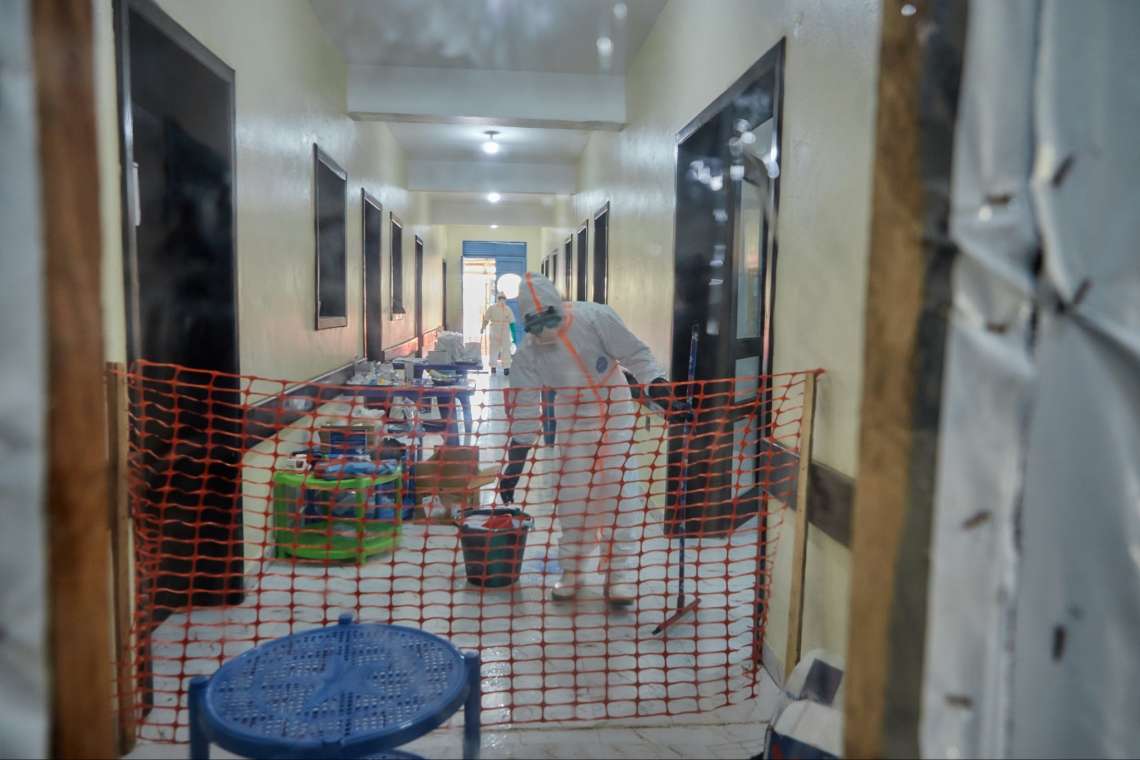
Healthcare systems are also coming under increasing pressure. As of June 14, a total of 363 patients were receiving treatment or isolation care in the DRC, while overall bed occupancy had reached 83.8 per cent. In hotspot areas, occupancy rates were nearing capacity, prompting the expansion of treatment centres in Bunia, Rwampara and Nyankunde.
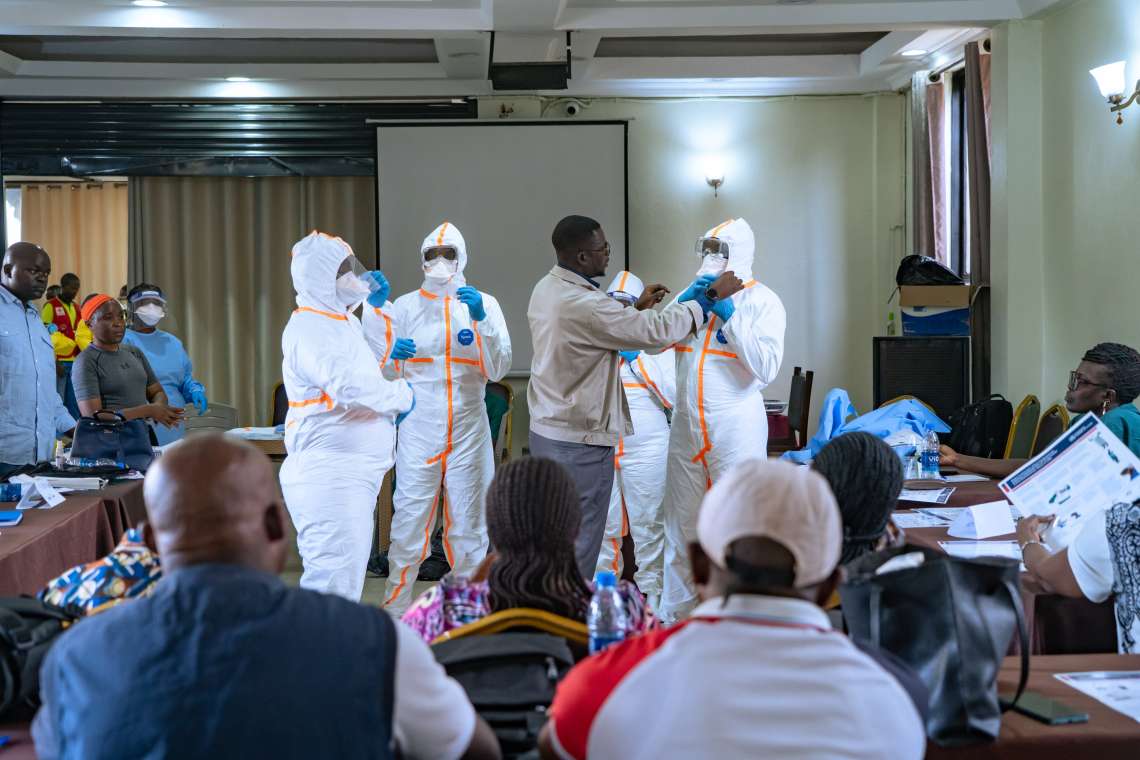
To support the response, WHO and its partners have mobilised approximately US$4.3 million worth of medical supplies, including personal protective equipment, laboratory materials and medicines. More than 110 metric tonnes of supplies have already been delivered to affected provinces.
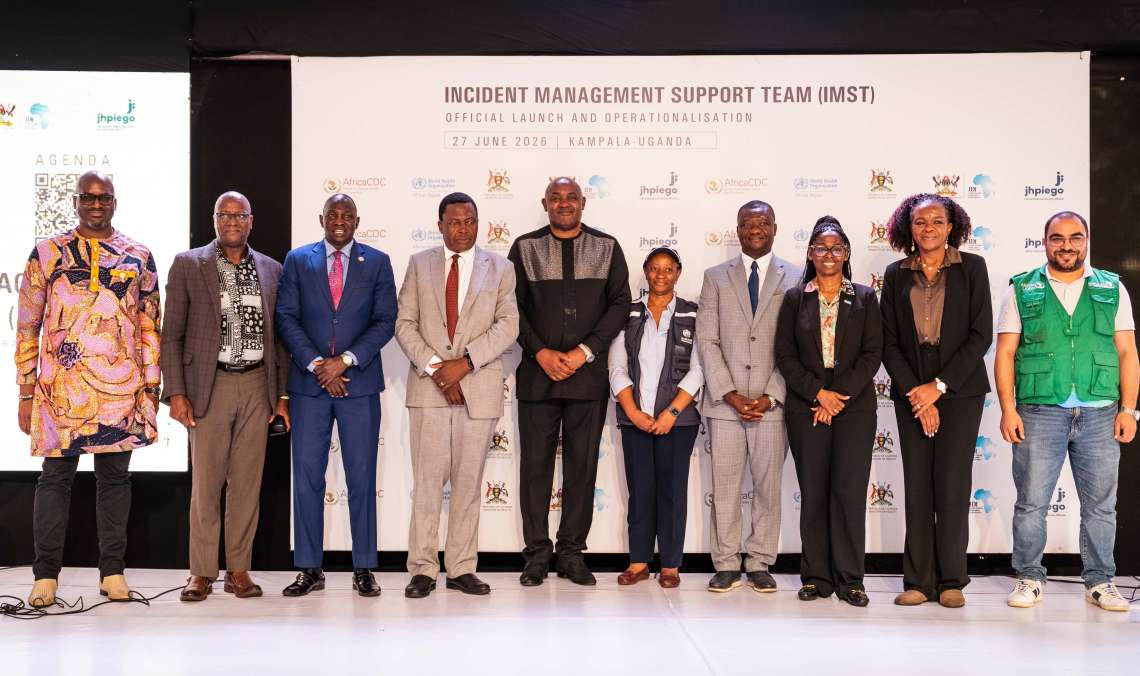
A joint WHO and Africa CDC preparedness and response plan launched earlier this month is seeking US$518 million to strengthen outbreak control efforts and bolster regional readiness across Africa.
In its assessment, WHO warned that sustained transmission, expanding geographic spread, pressure on treatment facilities and operational constraints continue to threaten containment efforts. The agency stressed that continued international support, enhanced surveillance and stronger cross border coordination will be critical to halting the outbreak and preventing wider regional spread.