
At least 246 suspected cases and 65 deaths have been reported so far, mainly in the Ituri Province of eastern Congo….reports Africa News desk
The World Health Organisation has declared the Ebola outbreak affecting the Democratic Republic of the Congo and Uganda a public health emergency of international concern, as fears grow over the spread of the deadly virus across central Africa.
The announcement was made on Sunday after health authorities reported hundreds of suspected infections linked to the Bundibugyo strain of the Ebola virus in eastern Congo.
In a statement posted on X, the WHO said the outbreak met the threshold for an international public health emergency, although it stressed the situation did not currently qualify as a pandemic emergency.
WHO Director General Tedros Adhanom Ghebreyesus praised the governments of Congo and Uganda for their cooperation and response efforts.
The organisation said the two countries had shown commitment in taking “necessary and vigorous actions” to contain the outbreak and had been transparent in assessing the risks posed to neighbouring nations and the wider international community.
WHO said its decision was based on scientific evidence, assessments provided by both governments and the growing risk of international spread, as well as the potential impact on travel and trade.
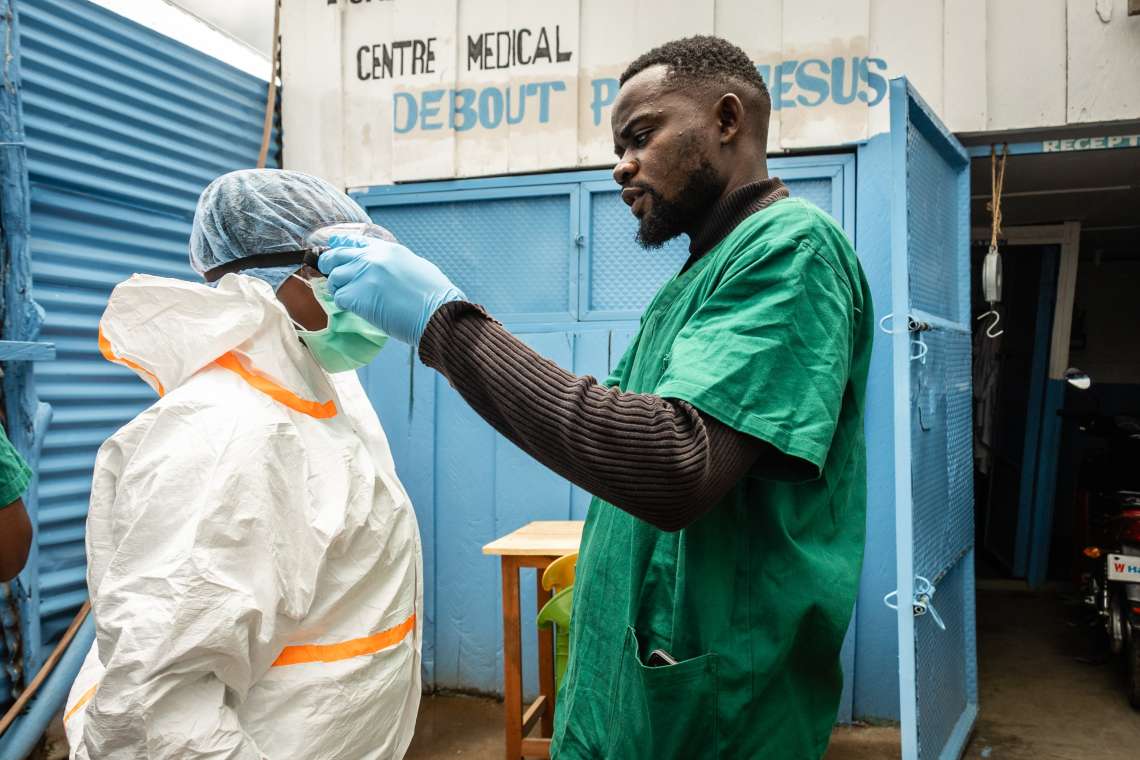
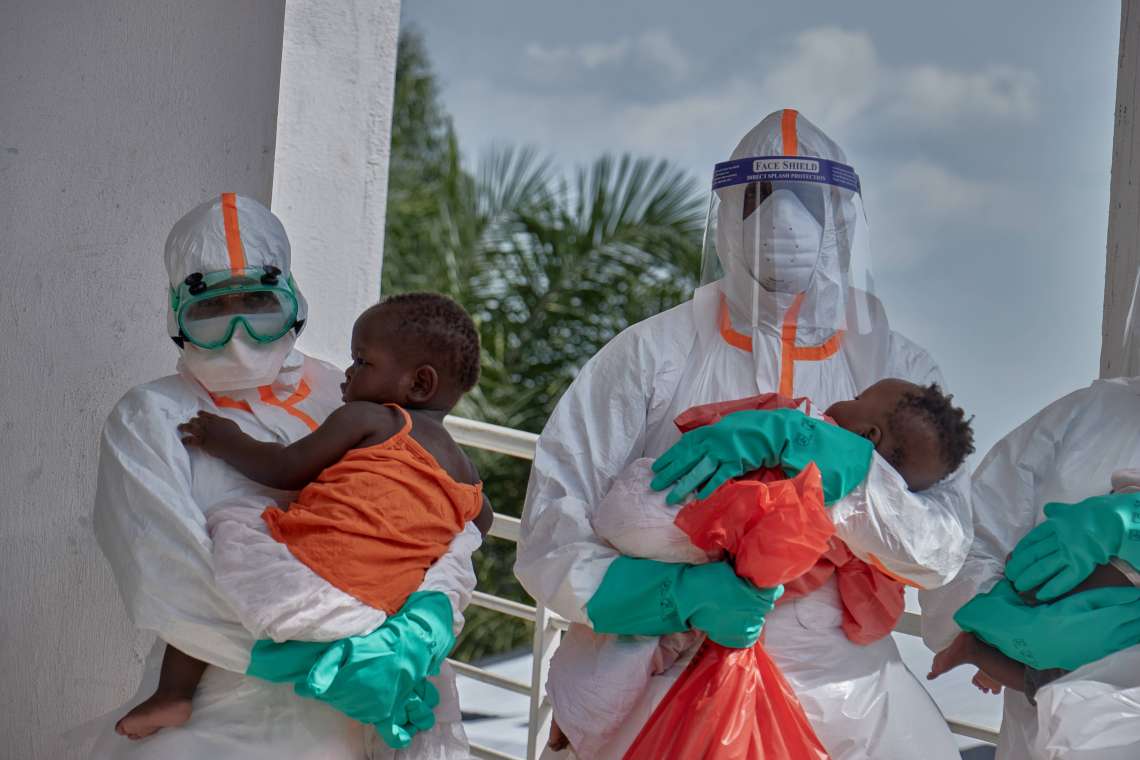
According to the Africa Centres for Disease Control and Prevention, at least 246 suspected cases and 65 deaths have been reported so far, mainly in the Ituri Province of eastern Congo.
Preliminary laboratory testing by the National Institute of Biomedical Research confirmed the Ebola virus in 13 out of 20 samples analysed, following consultations with Congo’s Ministry of Health and National Public Health Institute.
Health officials said four deaths had already been recorded among confirmed cases, while suspected infections had also emerged in the regional city of Bunia.
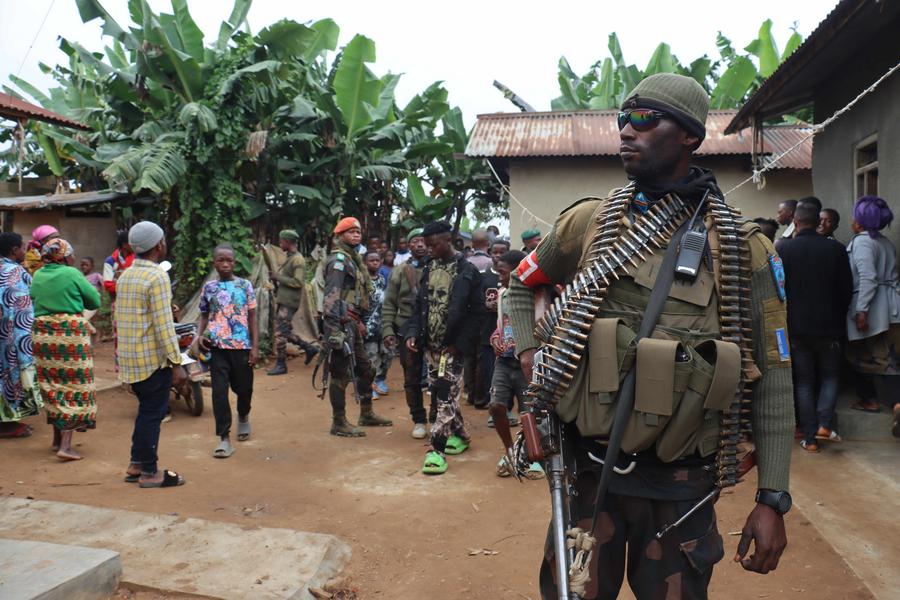
Africa CDC warned that the outbreak carries a high risk of further transmission because of several factors, including dense urban populations, cross border movement, mining activities and ongoing insecurity in the affected areas.
The agency also highlighted concerns over the proximity of the outbreak to Uganda and South Sudan, raising fears the virus could spread further across the region.
In response, Africa CDC is holding emergency talks with health authorities from Congo, Uganda and South Sudan, alongside international partners, in an effort to strengthen surveillance, preparedness and cross border coordination.
The Bundibugyo strain of Ebola is one of several known variants of the virus and can cause severe illness marked by fever, bleeding and organ failure. Ebola outbreaks are often difficult to contain in regions affected by conflict, poor healthcare infrastructure and large scale population movement.
The latest declaration by WHO is expected to trigger greater international support, funding and emergency response measures aimed at preventing the outbreak from escalating further.