
WHO Chief Urges Countries to Reconsider Travel Bans Amid Ebola Outbreak in DR Congo and Uganda…reports Africa Daily News Desk
World Health Organisation (WHO) Director-General Tedros Adhanom Ghebreyesus has called on countries that have imposed travel restrictions or closed their borders in response to the Ebola outbreak in the Democratic Republic of the Congo (DRC) and neighbouring Uganda to reconsider the measures, warning that such actions could hinder efforts to contain the disease.
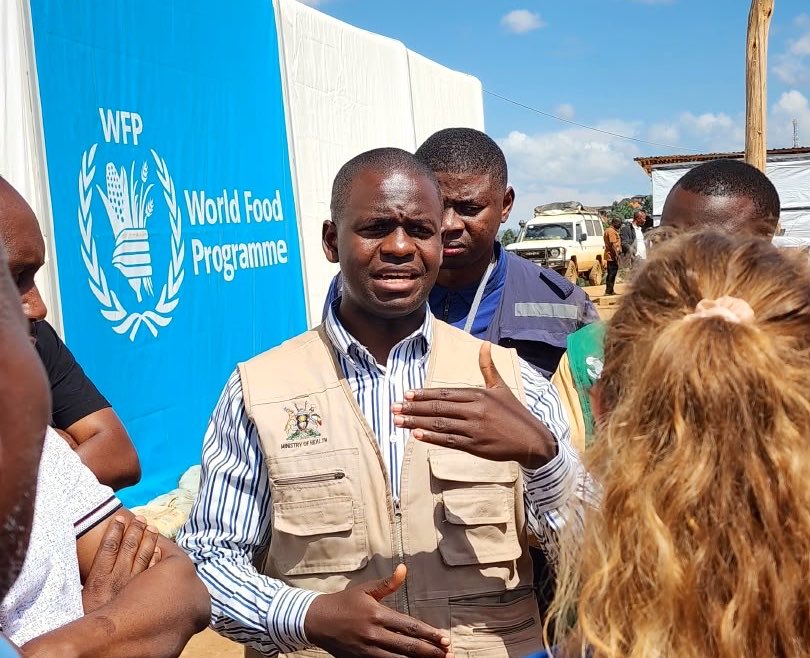
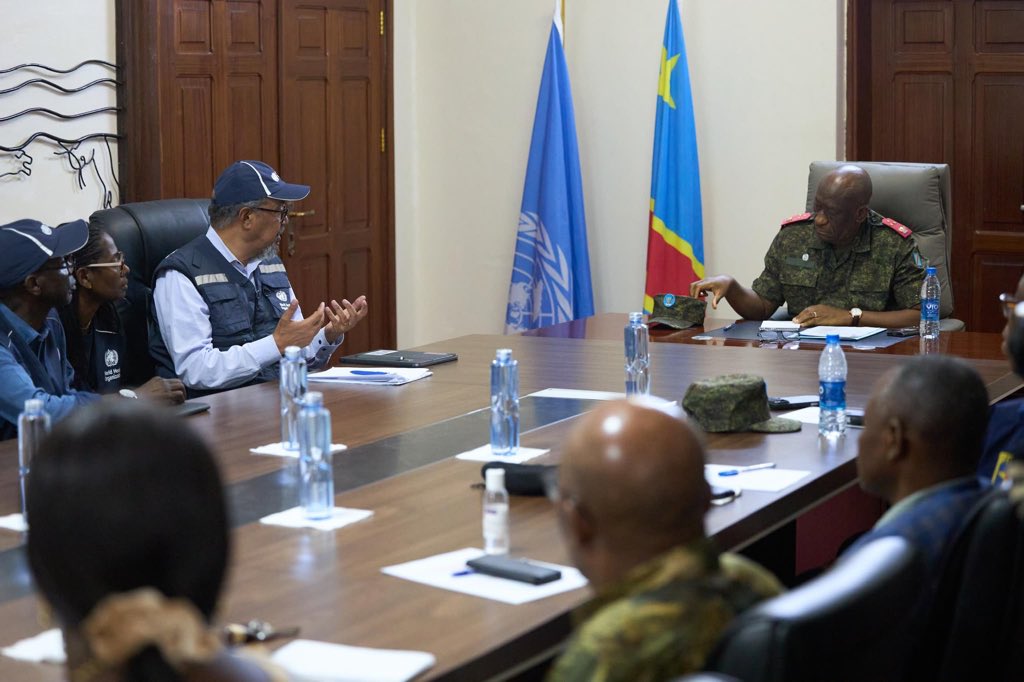
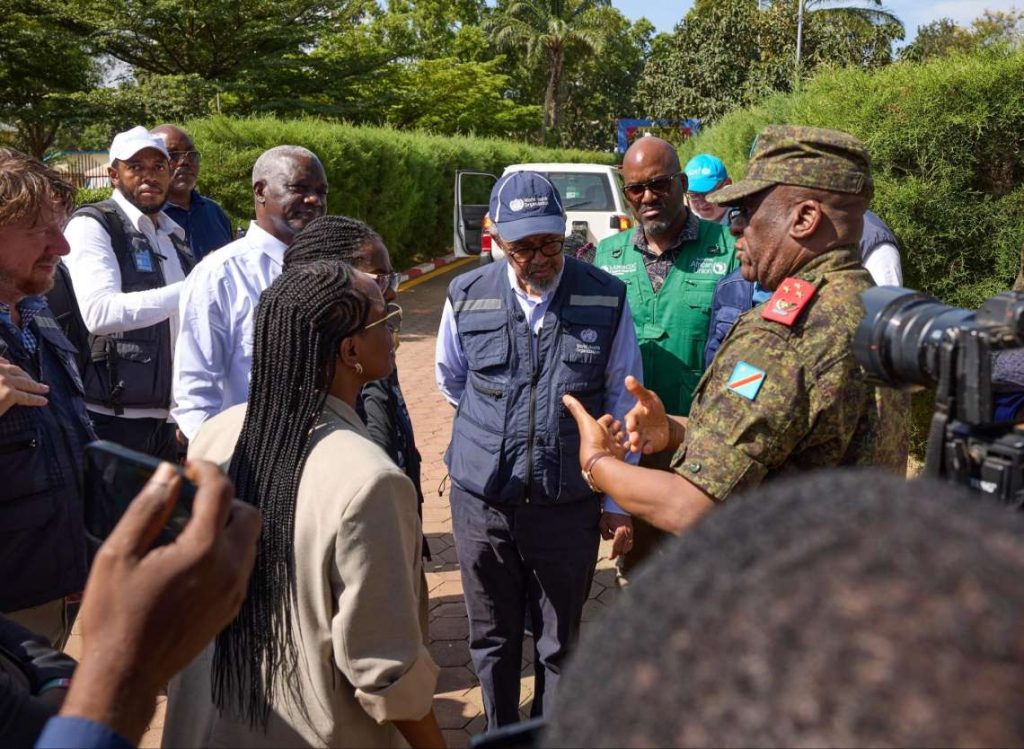
Speaking during a joint press conference in Bunia, the capital of the northeastern Ituri Province and the epicentre of the current outbreak, Tedros said travel bans and border closures risk undermining the transparency and cooperation needed to effectively combat the spread of the virus.
“I call on countries that have imposed travel bans or border closures to reconsider. These measures make the response harder, and they discourage transparency and trust that saves lives,” Tedros said.
The WHO chief stressed that maintaining cooperation between countries and affected communities remains crucial in responding to the outbreak, particularly as health authorities work to identify cases, trace contacts and strengthen surveillance measures.
Tedros also sought to reassure the public that despite the absence of approved vaccines and specific medicines for the current outbreak, patients can still recover if they receive timely and quality medical care.
“People can survive Ebola when they receive proper treatment early,” he said, emphasising the importance of rapid diagnosis and access to healthcare services.
The WHO Director-General said his visit to Bunia was aimed not only at assessing the response on the ground but also at engaging directly with communities affected by the outbreak. More than 1,000 suspected Ebola cases have been reported in the DRC since the outbreak emerged, raising concerns among health officials about the potential for further spread.
The outbreak has also crossed into neighbouring Uganda, where health authorities have confirmed nine cases of Ebola. The Ugandan Ministry of Health reported on Friday that two new infections had been detected in the capital, Kampala, highlighting the regional nature of the health emergency.
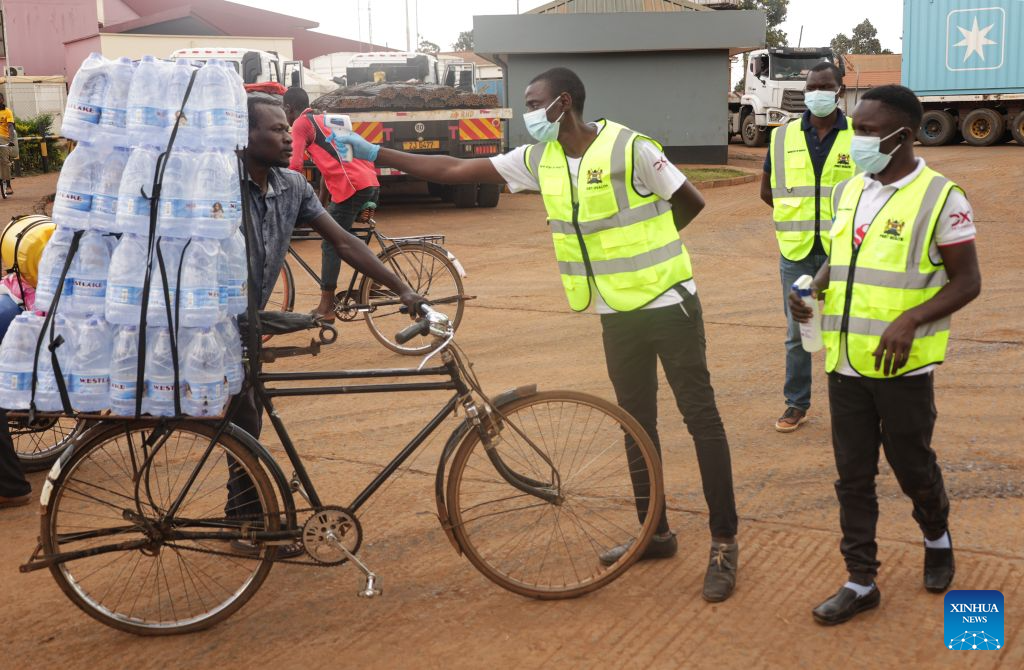
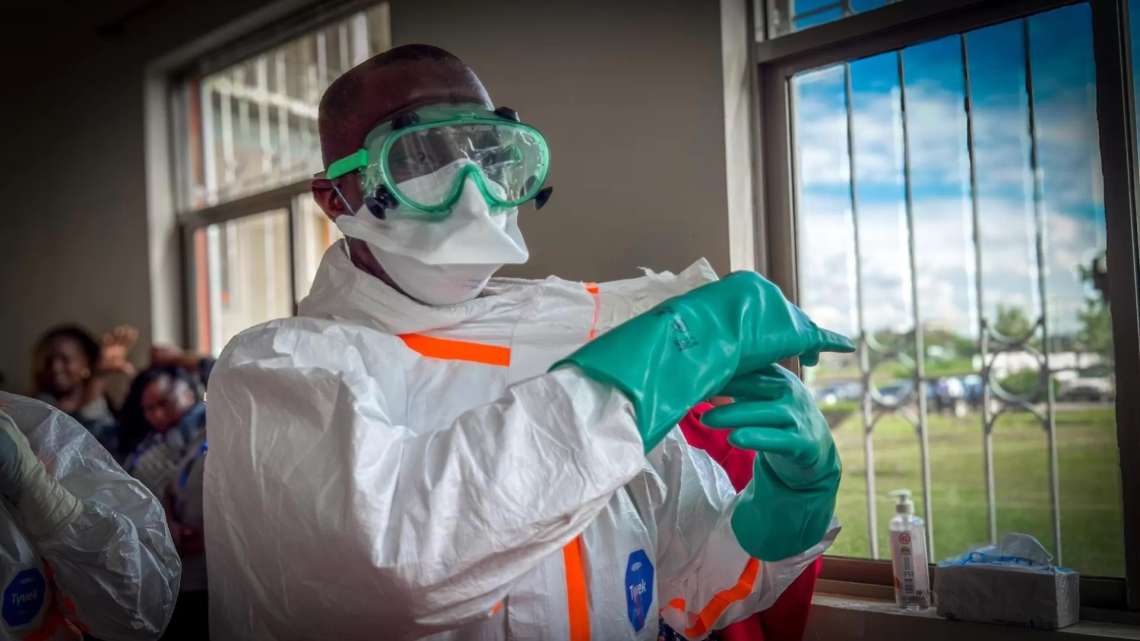
Officials in both countries have intensified surveillance, testing and public awareness campaigns in a bid to limit transmission and prevent the outbreak from escalating further.
DRC Health Minister Roger Kamba said authorities remain cautiously optimistic about bringing the outbreak under control within the coming months.
According to Kamba, the country’s target is to contain and end the outbreak within four to six months under the most favourable scenario, drawing on the nation’s extensive experience in responding to previous Ebola epidemics and the known progression of the disease.
He said the immediate focus is on preventing the virus from spreading beyond the three affected provinces of Ituri, North Kivu and South Kivu, which have borne the brunt of the outbreak.
“The priority is to contain the disease within the affected areas and stop further transmission,” Kamba said.
The health minister also highlighted improvements in the country’s diagnostic and laboratory capacity, describing them as a key component of the response effort.
Around 900 samples have been tested so far, with approximately 260 returning positive results for Ebola, according to Kamba. He noted that the DRC currently has no backlog of laboratory samples and is capable of processing all incoming tests.
The country’s testing network is also prepared to handle a significant increase in demand if case numbers rise.
“We now have the capacity to process all samples received, even if daily testing reaches 200 or 300 samples,” Kamba said.
The latest outbreak has renewed concerns about the threat posed by Ebola in Central and East Africa, a region that has experienced multiple outbreaks over the past decade. Health officials continue to emphasise the importance of early detection, community engagement and international cooperation as the most effective tools for containing the disease and preventing wider transmission.
The WHO and national health authorities have urged countries to support response efforts through coordinated public health measures rather than travel restrictions, arguing that collaboration and trust remain essential to ending the outbreak and protecting vulnerable communities.