
Health authorities step up surveillance and preparedness measures as Ebola outbreaks in East and Central Africa raise concerns over cross border transmission…reports Africa Daily News Desk
Nigerian health authorities have identified 21 states and the federal capital territory as being at high or moderate risk of Ebola importation, citing growing concerns over the spread of the disease from ongoing outbreaks in parts of East and Central Africa.
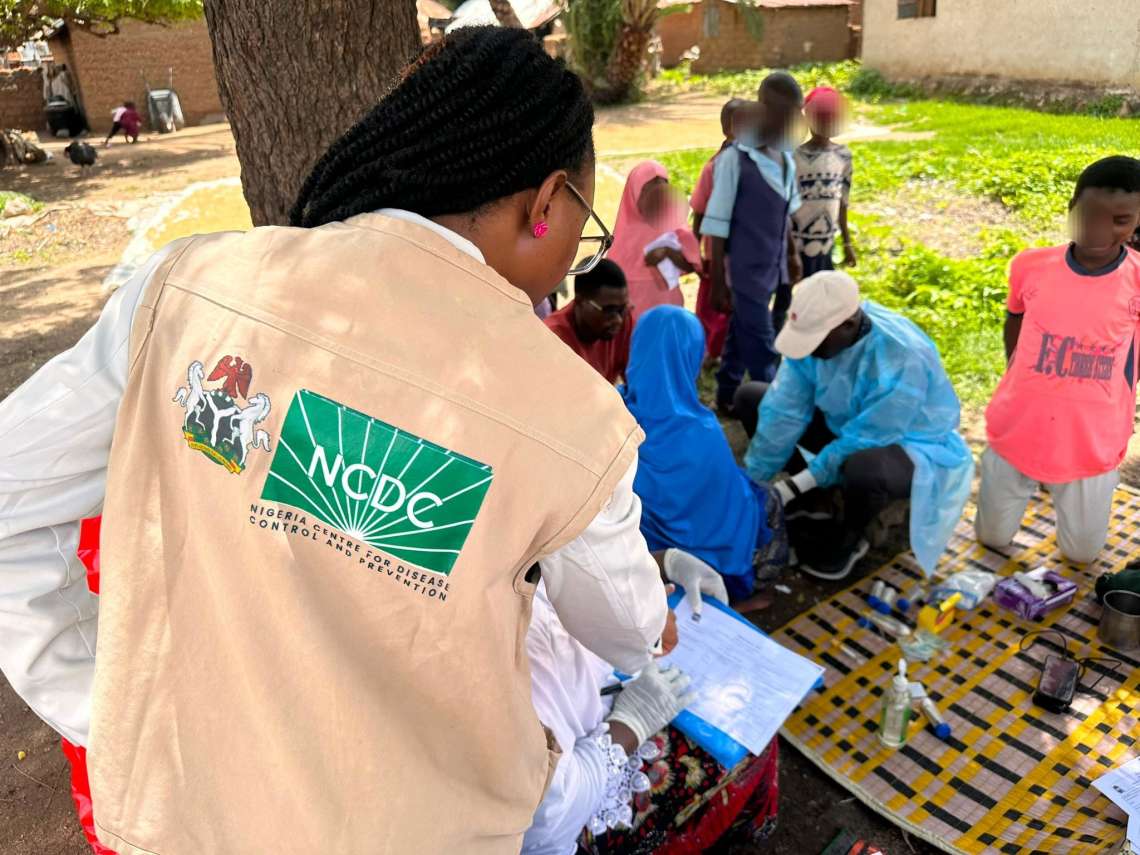
In a statement, the Nigeria Centre for Disease Control and Prevention (NCDC) said no confirmed Ebola case has been recorded in the country, but warned that recent outbreaks elsewhere in Africa have heightened the risk of the virus entering Nigeria.
The agency classified the Federal Capital Territory, Abuja, along with Lagos, Rivers, Enugu, Akwa Ibom and Cross River in the south, and Kano, Borno, Taraba and Adamawa in the north, as high risk areas. The states were identified because of their links to international travel and trade routes, as well as the presence of busy airports and porous land borders.
The NCDC also listed Ogun, Ebonyi, Abia and Bayelsa in southern Nigeria, and Nasarawa, Kaduna, Plateau, Niger, Jigawa, Katsina and Bauchi in the north, as moderate risk states requiring enhanced surveillance and preparedness measures.
NCDC Director General Jide Idris said the World Health Organization’s declaration of the Ebola outbreak as a public health emergency of international concern highlighted the need for Nigeria to strengthen its response capacity and preparedness efforts.
He cautioned that Ebola symptoms can closely resemble those of malaria and Lassa fever, increasing the likelihood of delayed diagnosis and potential transmission if cases are not detected quickly.
Nigeria, Africa’s most populous nation with more than 242 million people, remains on alert as health authorities intensify monitoring and preventive measures across identified risk areas.
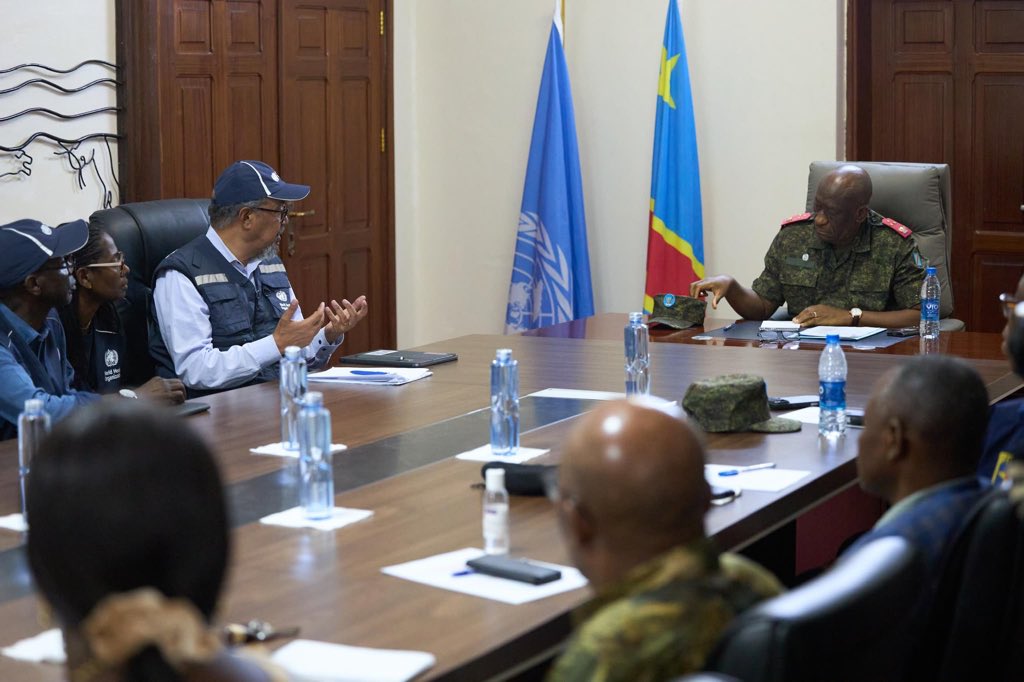
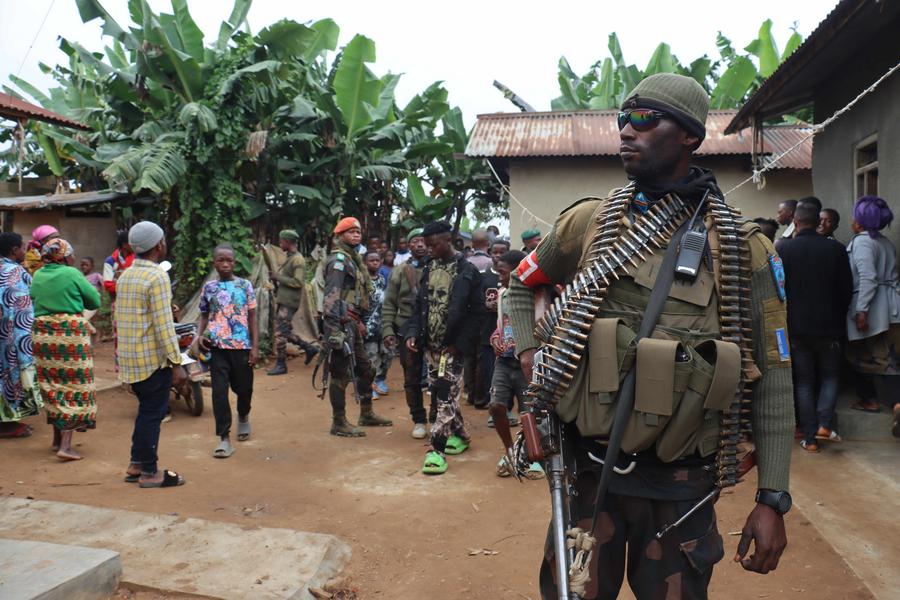
Meanwhile, WHO Director-General Tedros Adhanom Ghebreyesus described the Ebola outbreak in the Democratic Republic of the Congo as “very complex”, citing conflict, insecurity, displacement, food shortages and community mistrust as major obstacles to containment efforts.
Speaking after arriving in the Congolese capital, Kinshasa, Ghebreyesus said he had travelled to the country to demonstrate solidarity with affected communities and reaffirm the WHO’s commitment to supporting response efforts.
He said communities affected by the outbreak should know that “they are not alone” and that the WHO would continue to assist efforts to contain the disease and prevent further spread.