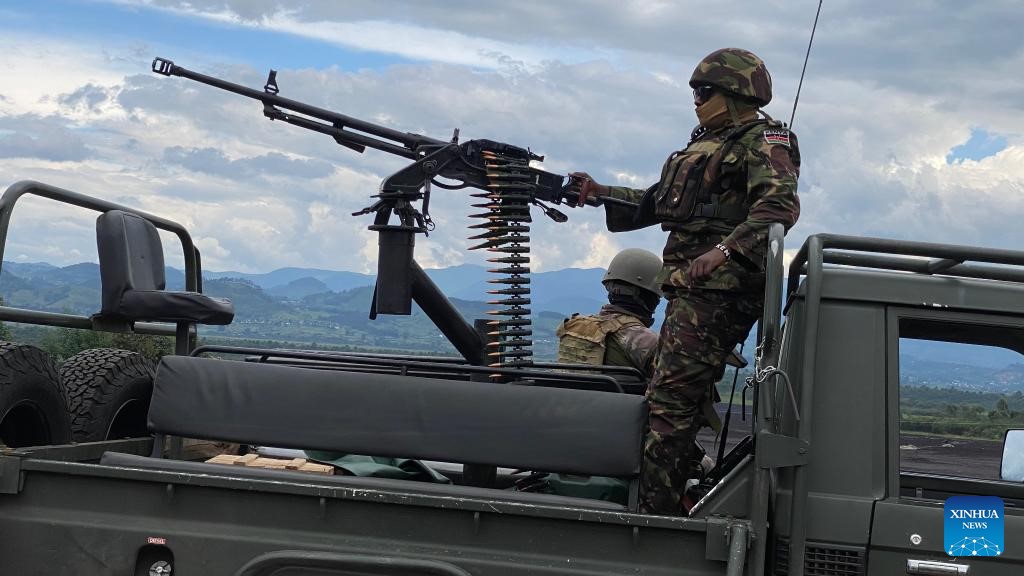

Fresh fighting has displaced thousands across eastern DR Congo, making it harder for aid workers to track and contain the fast-growing outbreak…reports Africa Daily News Desk
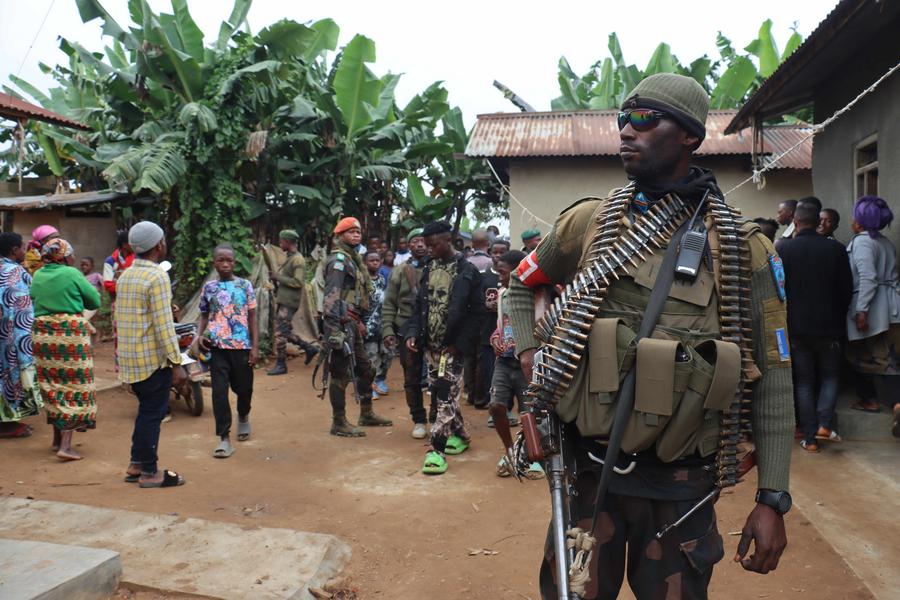
Escalating violence in eastern Democratic Republic of the Congo is triggering fresh mass displacement and hampering efforts to contain the country’s worsening Ebola outbreak, United Nations humanitarian agencies have warned.
The UN Office for the Coordination of Humanitarian Affairs (OCHA) said on Tuesday that continuing hostilities were forcing thousands of people from their homes, with insecurity and population movements making disease surveillance and response operations increasingly difficult.
As of Sunday, national health authorities had reported more than 6,100 confirmed Ebola cases and nearly 2,950 deaths.
The humanitarian crisis has been further compounded by a surge in violence across several eastern provinces.
In Ituri province, local civil society groups reported that at least 37 civilians were killed and more than 35 others abducted during armed attacks in Mambasa territory on Saturday. At least 86 civilians were killed in attacks across the territory last month, according to OCHA.
Meanwhile, clashes in neighbouring South Kivu province have displaced at least 15,000 people in Walungu territory since August 23.
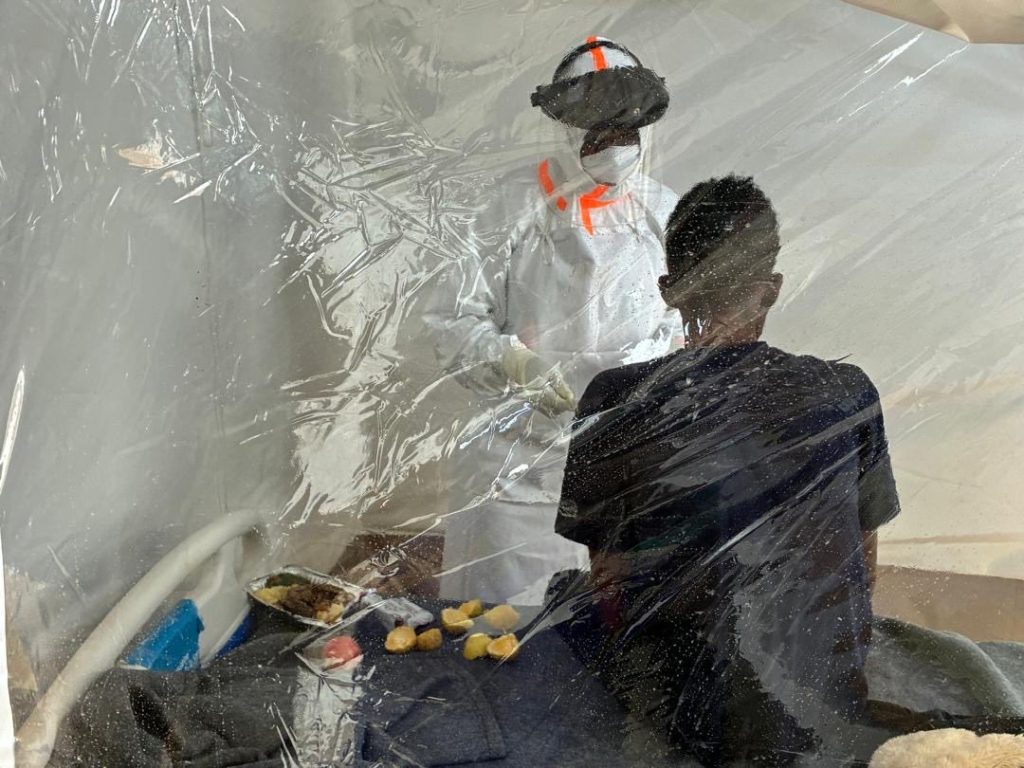
Most of those forced to flee are staying with host families and require urgent food, shelter and healthcare assistance, humanitarian partners said. Fighting has also triggered further displacement in parts of North Kivu.
The violence is complicating an already difficult effort to track and contain Ebola, as displaced populations move across affected areas and humanitarian workers struggle to reach vulnerable communities.
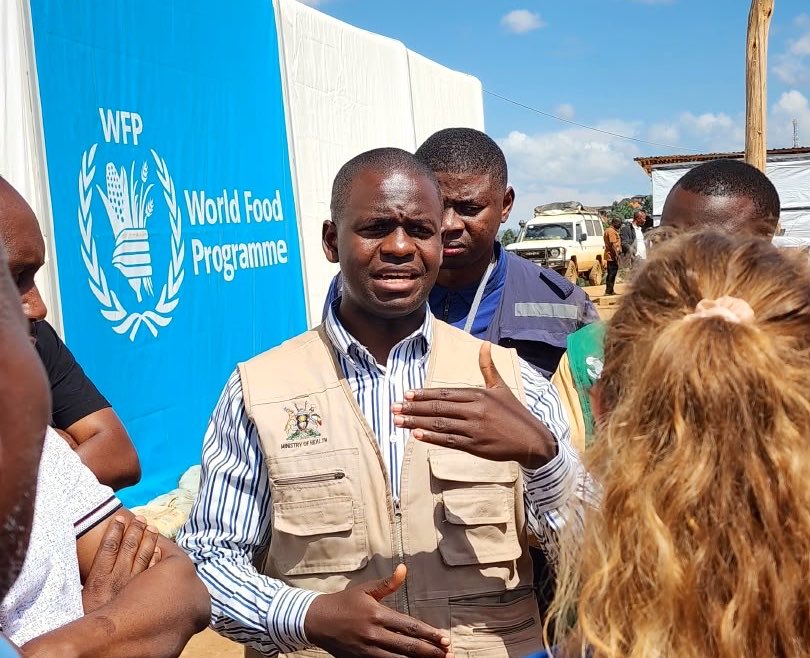
“Despite these challenges, the UN and its humanitarian partners continue to support the authorities’ response,” OCHA said.
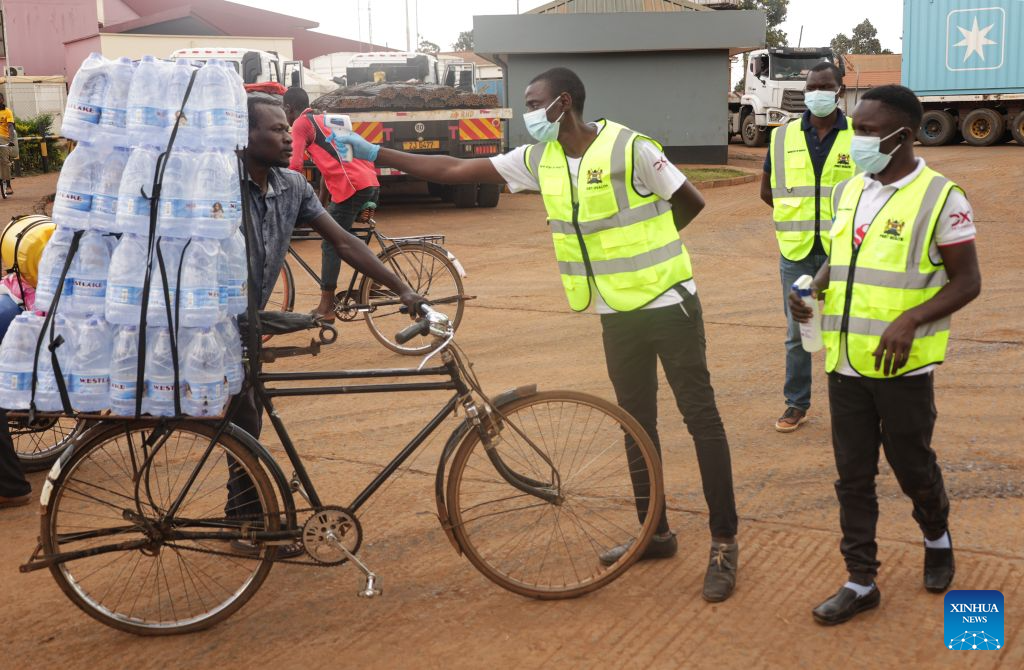
The International Organization for Migration has carried out nearly 23 million health screenings across the DRC and neighbouring countries to monitor population movements, identify potential cases and reduce the risk of cross-border transmission.
The UN has renewed its call on all parties to the conflict to protect civilians and ensure safe, sustained and unhindered humanitarian access.
Maintaining access to communities affected by the outbreak is critical to delivering life-saving assistance and bringing the spread of the disease under control, humanitarian officials said.
UN Under-Secretary-General for Humanitarian Affairs and Emergency Relief Coordinator Tom Fletcher warned that the response could not afford to move slowly as the epidemic continued to expand.
“We cannot respond incrementally to an epidemic which is now growing exponentially,” Fletcher said during a virtual briefing hosted by the World Health Organization.
He called for a sustained and large-scale operation capable of getting ahead of the virus, stressing that the response must extend beyond medical treatment.
Communities affected by Ebola also need functioning health services, clean water, sanitation, food, protection and livelihoods, Fletcher said, adding that building trust remained central to the fight against the disease.
“Time is not on our side,” he warned. “We have the experience, the tools, extraordinary people risking their lives to stop this epidemic. What we need now is political will, access, and resources.”
“We have beaten Ebola before. And we can do it again,” Fletcher added.