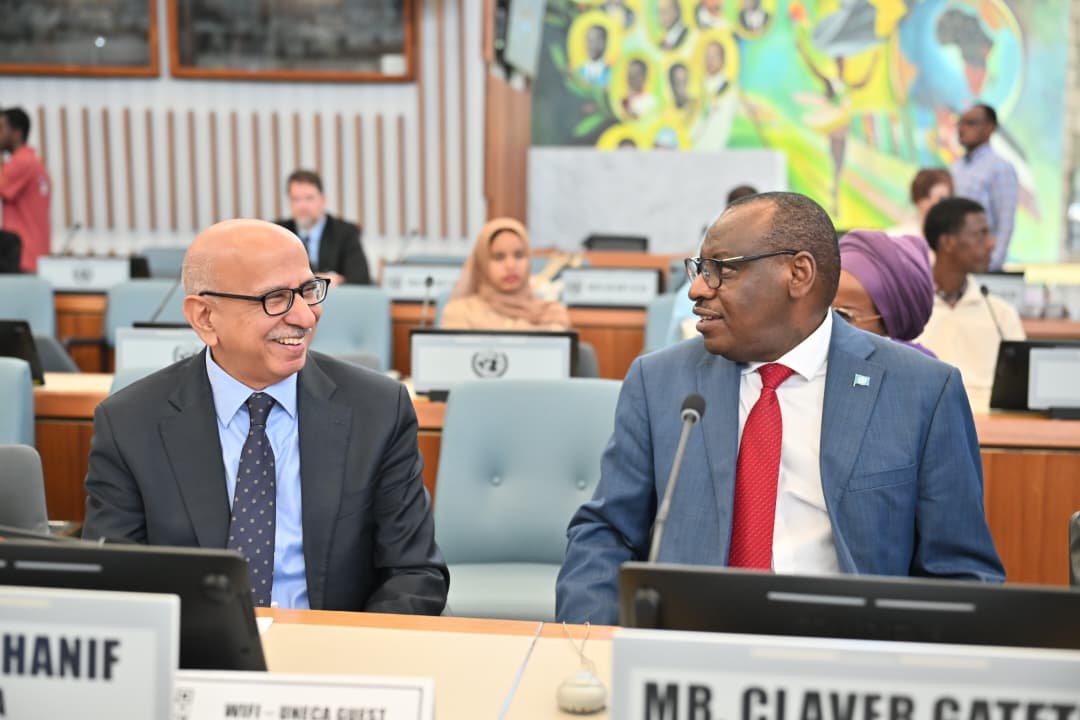

Officials call for stronger regional integration, youth employment and climate resilience as Africa faces mounting economic and social pressures…reports Africa Newsdesk
United Nations experts and African policymakers have called for fresh development strategies centred on social inclusion, regional integration and economic resilience to help the continent confront rising inequalities, unemployment and climate threats amid growing global uncertainty.
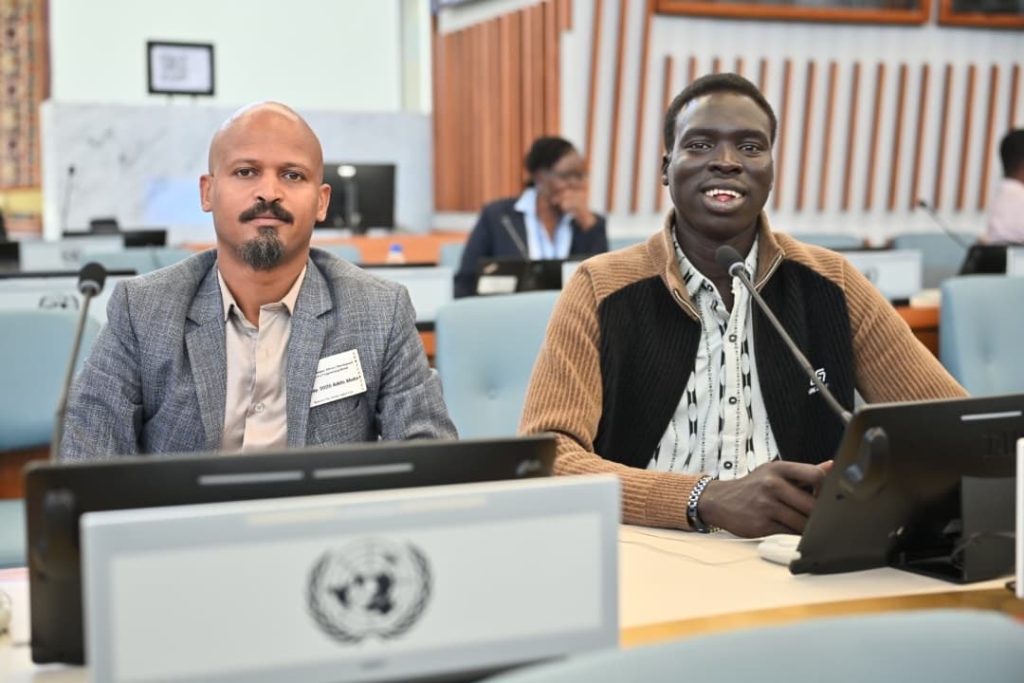
The appeal came during a high level policy dialogue titled “Africa’s Development Pathways in a Fragmenting World”, held in the Ethiopian capital Addis Ababa on Friday. The event was organised by the UN Department of Economic and Social Affairs in collaboration with the United Nations Economic Commission for Africa.
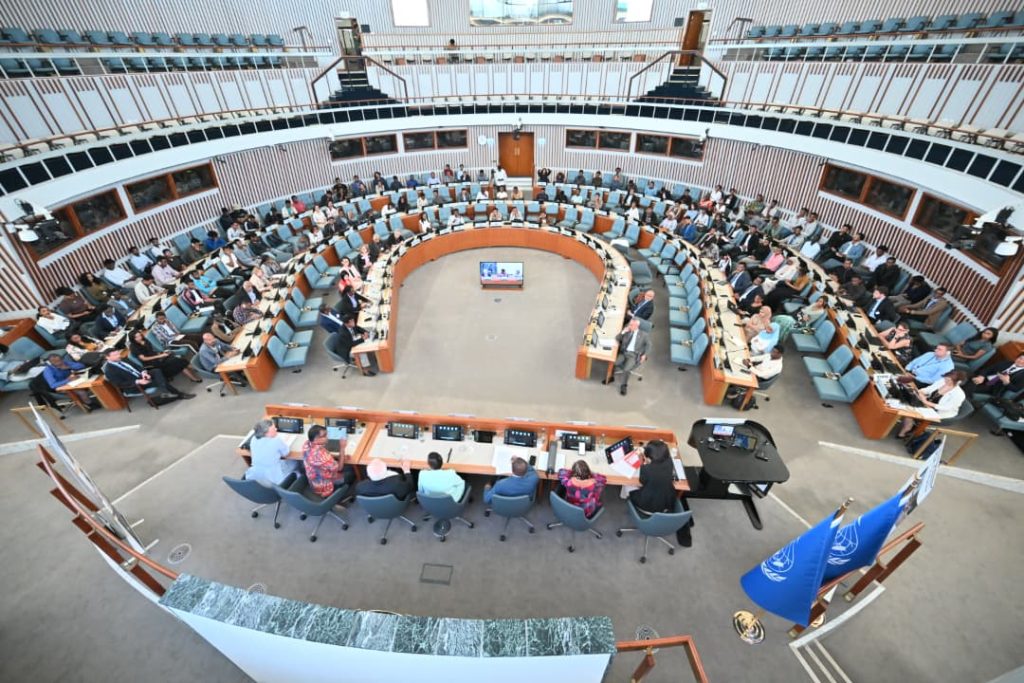
Participants at the meeting examined ways to strengthen social inclusion, expand employment opportunities for young people and deepen regional cooperation to support sustainable and inclusive economic growth across Africa.
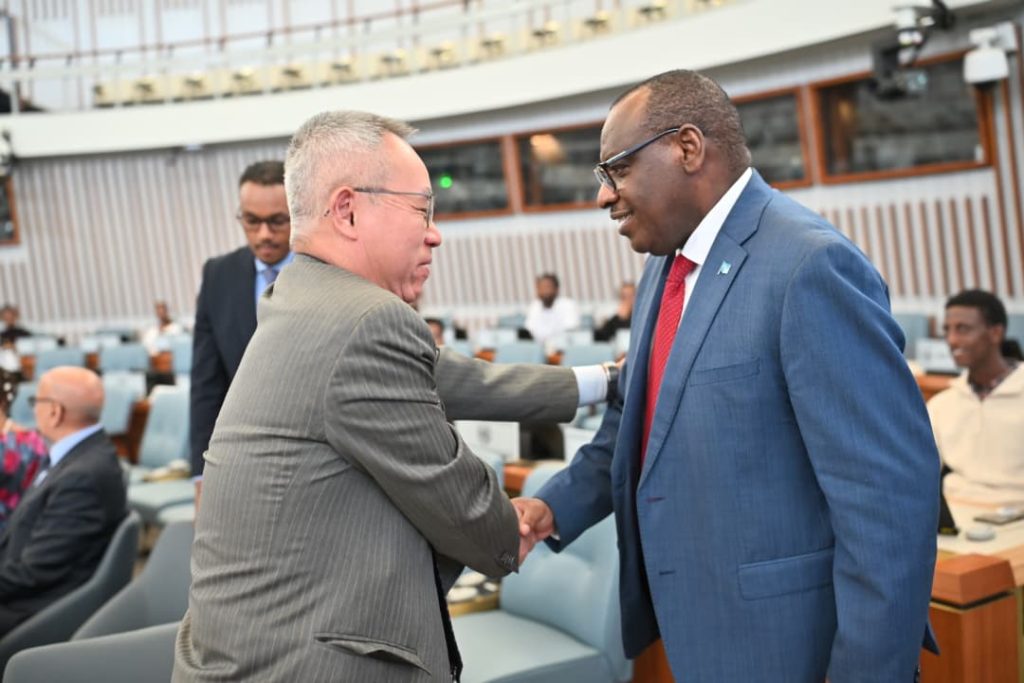
Speaking at the dialogue, Claver Gatete, Executive Secretary of UNECA, warned that repeated global shocks were exposing deep vulnerabilities across African economies.
He said disruptions linked to fuel and fertiliser supplies, rising inflation and shrinking fiscal space were placing additional strain on governments already struggling with economic challenges.
Gatete stressed the importance of addressing both immediate crises and long term structural problems through stronger regional integration, infrastructure development and faster industrialisation.
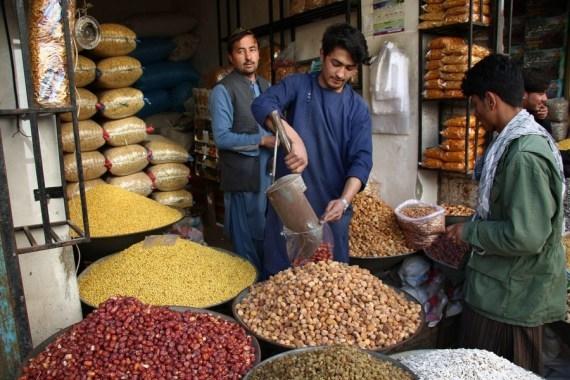
He pointed to the African Continental Free Trade Area as a major opportunity to boost intra African trade and investment. He also highlighted UNECA’s work across 94 regional value chains aimed at strengthening manufacturing and economic cooperation across the continent.
Experts at the gathering said Africa still holds strong potential for economic transformation despite the growing pressures facing the region.
They noted that the continent has the world’s youngest and fastest growing population, abundant natural resources and increasing regional cooperation, which together could drive inclusive and sustainable development if supported by the right policies.
However, participants warned that Africa’s rising debt burden remains a serious concern. According to figures discussed during the dialogue, the continent’s total debt has reached 1.2 trillion US dollars, with 16 African countries currently facing a high risk of debt distress.
They said growing debt levels were limiting governments’ ability to invest in key sectors such as healthcare, education, infrastructure and job creation.
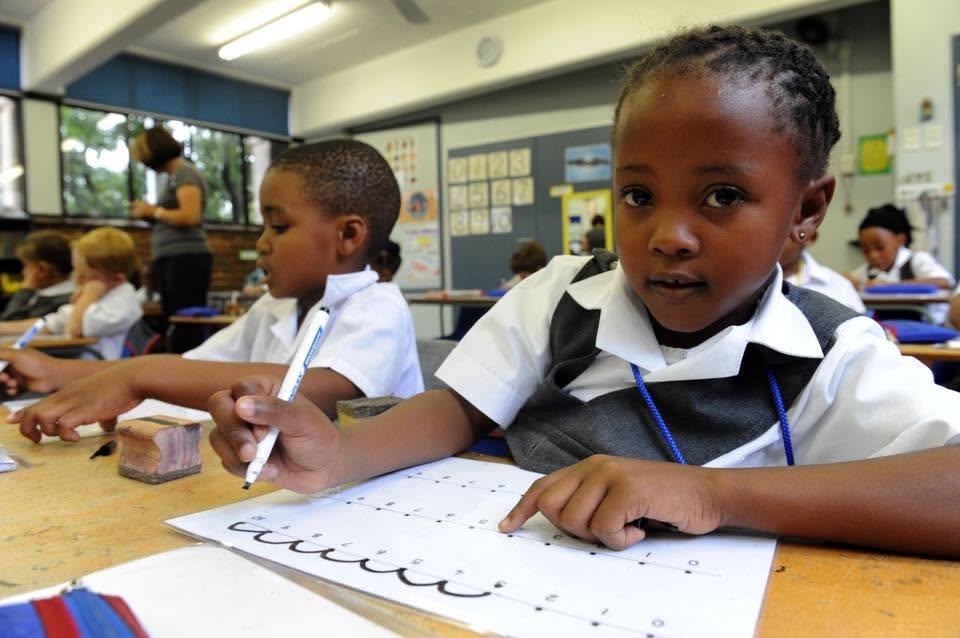
The meeting also highlighted persistent inequality, widespread youth unemployment and worsening climate impacts as major threats to Africa’s development progress.
Participants stressed that coordinated international support and stronger regional cooperation would be essential to help African countries build resilience against future global shocks while creating more opportunities for economic growth and social stability.
The discussions come as many African nations continue to face the combined effects of slowing global growth, climate related disasters and rising living costs, all of which have increased pressure on already stretched public finances.