
Although the government has not formally abandoned the plan, it is not expected to appear in the King’s Speech in mid May, signalling a significant delay…reports Africa Daily Newsdesk
Keir Starmer has put plans to transfer sovereignty of the Chagos Islands to Mauritius on hold, as uncertainty over US backing and worsening ties with Donald Trump derail progress on the agreement.
The proposed deal, which would see the UK hand over the British Indian Ocean Territory while leasing back the strategically crucial military base on Diego Garcia, had been close to completion. Legislation to implement the agreement was in its final stages, but officials now say there is insufficient time to pass the bill before Parliament is prorogued, forcing a pause in the process.
Although the government has not formally abandoned the plan, it is not expected to appear in the King’s Speech in mid May, signalling a significant delay, the BBC reports. A central obstacle remains the absence of a formal exchange of letters from the United States, a legal requirement needed for the treaty to come into force, according to the BBC.
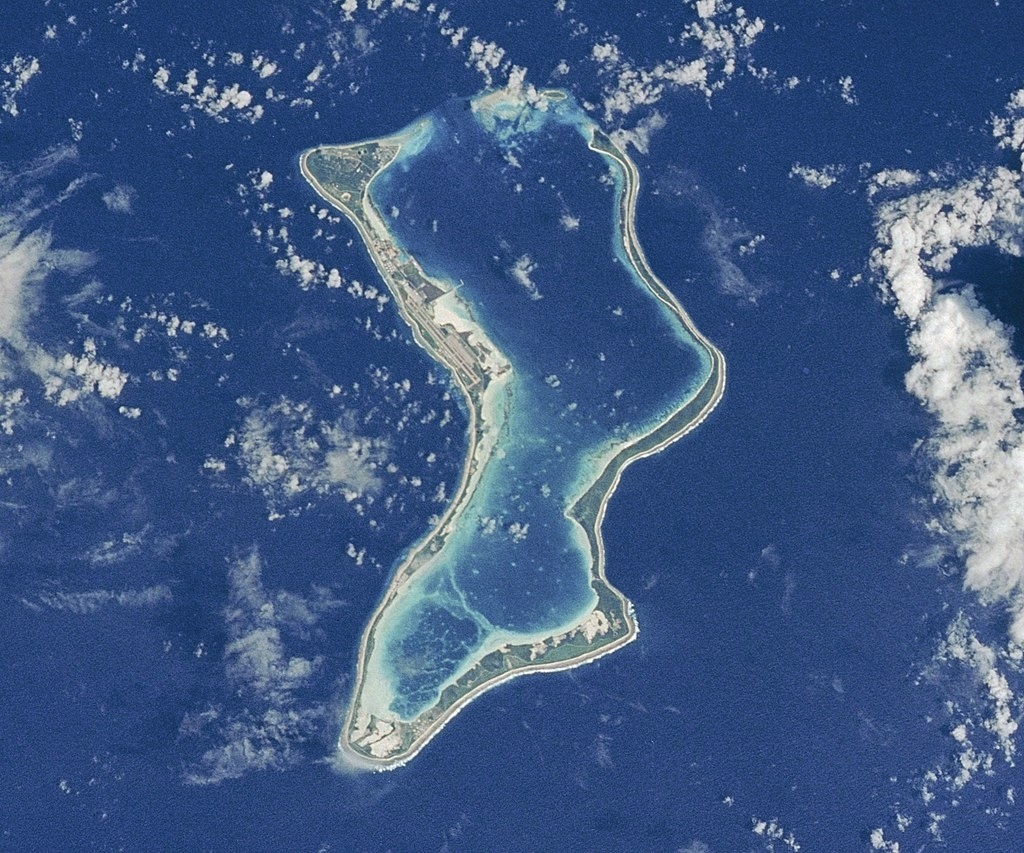
The Chagos Islands, under British control since the early nineteenth century, hold major geopolitical importance due to the joint UK US military base on Diego Garcia, the BBC reports. Under the terms of the proposed agreement, Britain would cede sovereignty to Mauritius and pay an average of £101 million annually to lease back the base, according to the BBC.
A government spokesperson said the long term security of the base remains the overriding priority, stressing that the deal would only proceed with clear and formal US support. Discussions with both Washington and Mauritius are ongoing.
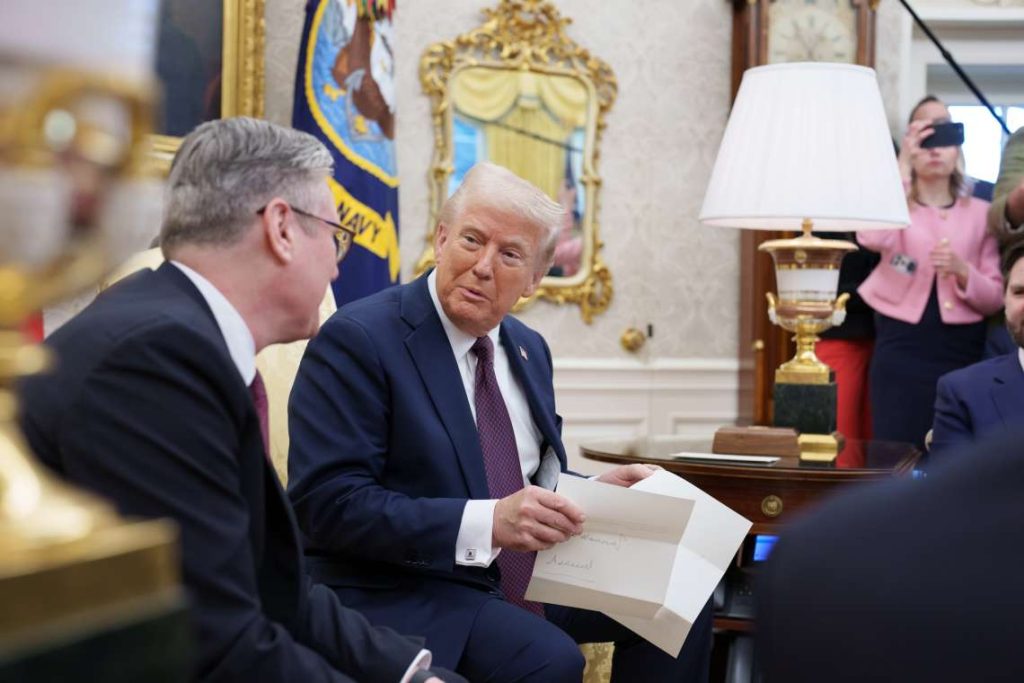
The delay comes amid shifting and at times contradictory signals from Washington. In a post on Truth Social, Trump urged Starmer to abandon the agreement, stating that the territory should remain under UK control and criticising the proposed 99 year lease arrangement. He described Diego Garcia as a strategically vital asset, particularly in the context of rising tensions with Iran, and suggested it could play a key role in any future military operations.
Trump’s stance marks a change in tone. He had previously labelled the proposed transfer an act of weakness, before later suggesting it could be the best available option. The mixed messaging has contributed to uncertainty around US support, complicating the UK government’s efforts to finalise the treaty.
Despite Trump’s public comments, the US State Department had earlier indicated its backing for the agreement, highlighting a divergence between official diplomatic channels and the president’s rhetoric.
The decision to shelve the deal has triggered strong political reactions in the UK. Conservative leader Kemi Badenochwelcomed the move, arguing that handing over the islands would not serve the national interest and criticising the financial burden at a time of domestic economic strain.
Shadow foreign secretary Priti Patel described the situation as an embarrassment for the government, while Liberal Democrat leader Ed Davey said the episode underlined the risks of relying too heavily on the United States under Trump’s leadership.
Former senior diplomat Lord Simon McDonald said the government had little choice but to pause the agreement, noting that it had been attempting to balance adherence to international legal obligations with maintaining strong ties to Washington. With the US president openly critical, that balance had become increasingly difficult to sustain.
Officials now indicate the deal will remain on hold for the foreseeable future, with its fate dependent on whether firm and consistent backing from the United States can be secured. Until then, one of the UK’s most sensitive geopolitical negotiations remains unresolved.