
Algeria’s parliament unanimously enshrines the criminalisation of French colonial rule into law, deepening a diplomatic rift that shows no sign of healing…reports Africa Newsdesk
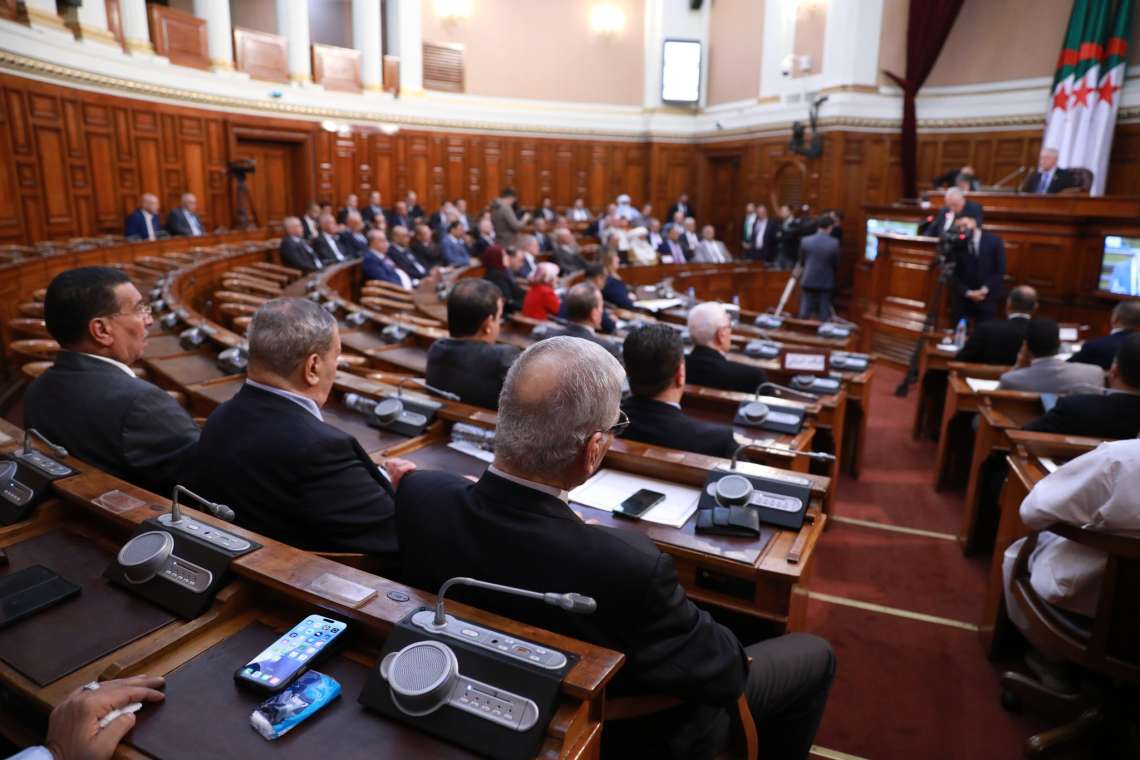
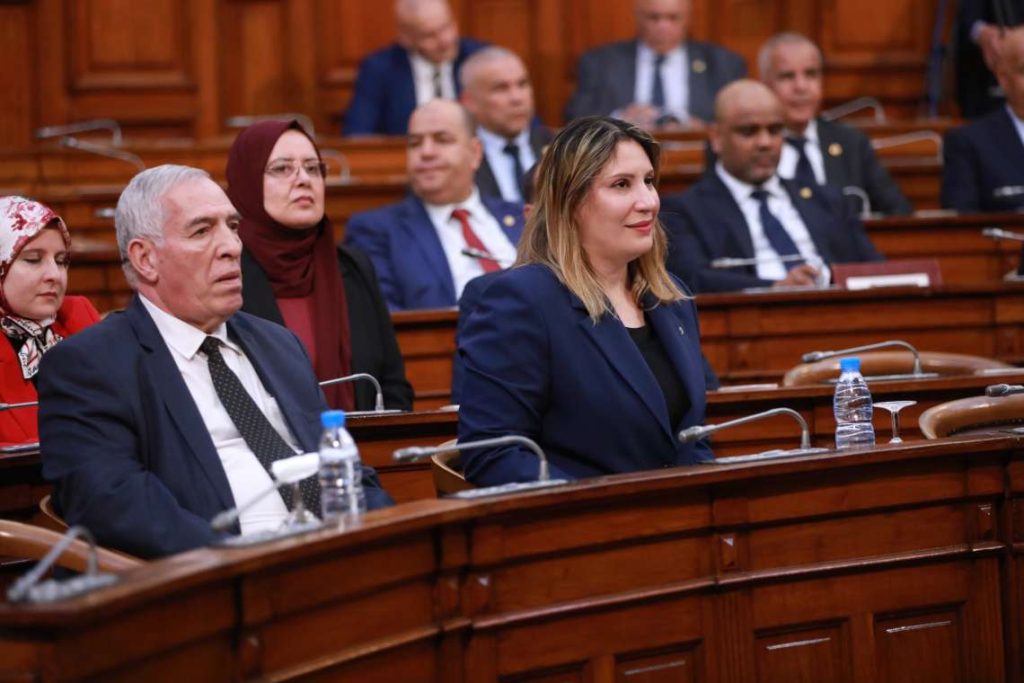
Algeria’s Council of the Nation, the upper house of parliament, unanimously adopted on Sunday a law criminalising French colonisation of the country, completing the legislation’s passage through both chambers and marking what officials described as a defining moment in the nation’s pursuit of historical justice.
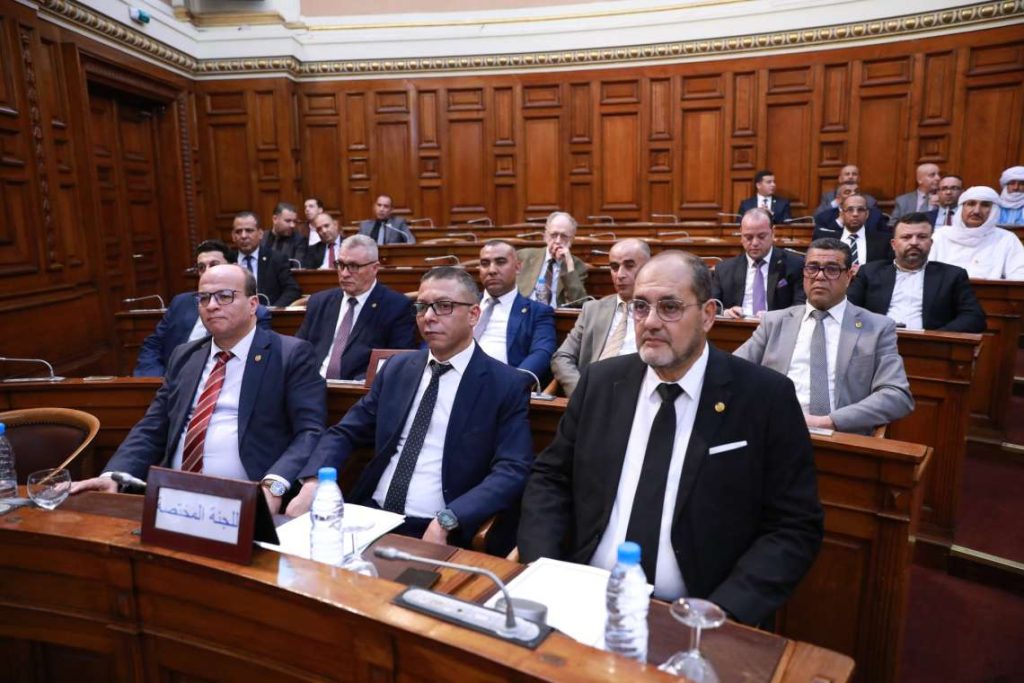
The 124-member upper house approved the unified text without a single dissenting vote, a month after the lower house passed the same legislation in December 2025. The session was presided over by Council Speaker Azouz Nasri, with Minister of Mujahedin and Rights Abdel Malik Tashrift representing the government.
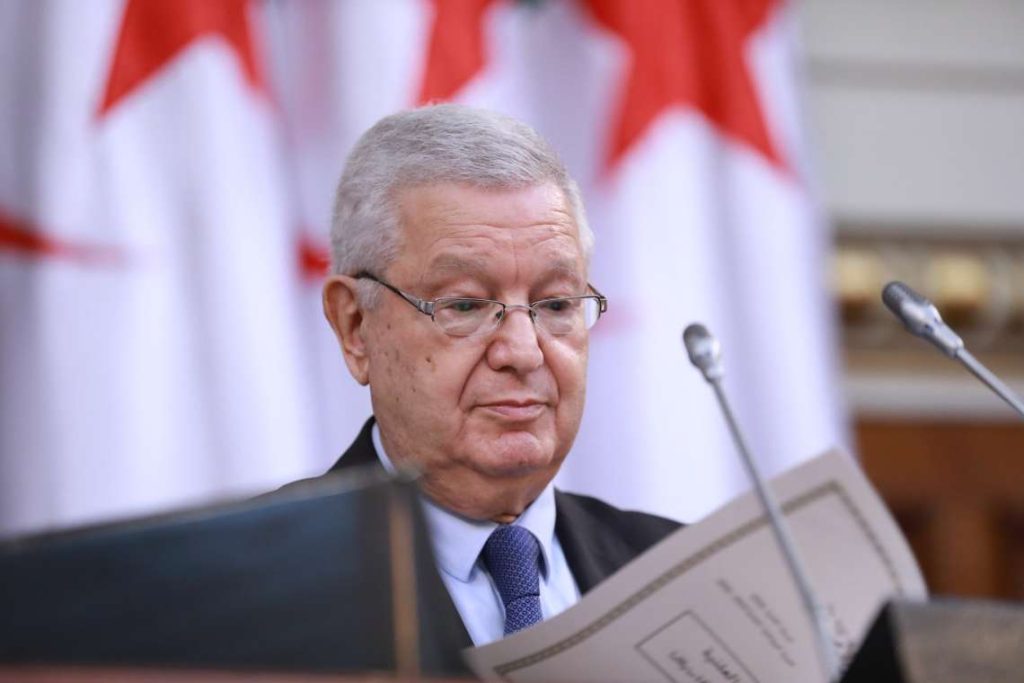
Speaking after the vote, Nasri said the law was “not just a circumstantial initiative, but a national and sovereign necessity that reflects the commitment of the state to defend its history and its rights.” The legislation formally designates France’s colonisation of Algeria between 1830 and 1962 as a crime, and is intended, officials said, to preserve national memory and honour the sacrifices of those who lived and died under colonial rule.
The path to a unified law had not been straightforward. The lower house had originally adopted a more expansive draft calling for a formal apology from France and affirming Algeria’s right to financial reparations. President Abdelmadjid Tebboune subsequently clarified that Algiers was seeking France’s acknowledgement of its crimes rather than monetary compensation, prompting the formation of a joint parliamentary committee to reconcile differences between the two chambers.
The committee’s chairman, Hajj Nour, said the final text reflected “the maturity of the legislative institution in addressing issues related to the preservation of national memory.” The unified version dropped broad reparations clauses and demands for a formal apology, while retaining provisions protecting the rights of Algerian victims of French nuclear tests conducted in the Sahara desert.
Tashrift, the government’s representative at the session, said the law “constitutes a legislative station of a sovereign and historical dimension,” adding that it represented a culmination of national effort rooted in loyalty to Algeria’s martyrs and a commitment to historical justice. He also noted that the law carried significance beyond Algeria’s borders, describing it as a contribution to broader international efforts by peoples seeking to reclaim their historical rights and confront colonial crimes.
The legislation comes against the backdrop of a deepening diplomatic rift between Algeria and France, driven by disputes over immigration, unresolved historical grievances, and Paris’s support for Morocco’s position on Western Sahara. Tebboune has maintained that direct talks with French President Emmanuel Macron remain the only viable path to resolving the bilateral tensions.
Macron acknowledged in 2021 that France’s colonisation of Algeria amounted to “a crime against humanity,” but stopped short of issuing a formal state apology — a stance that continues to frustrate Algerian officials and that this latest legislation is designed, in part, to publicly challenge.