
Washington will phase out HIV funding for South Africa, citing policy differences and urging self-reliance, as diplomatic tensions between the two countries continue to deepen, reports Africa Daily News Desk
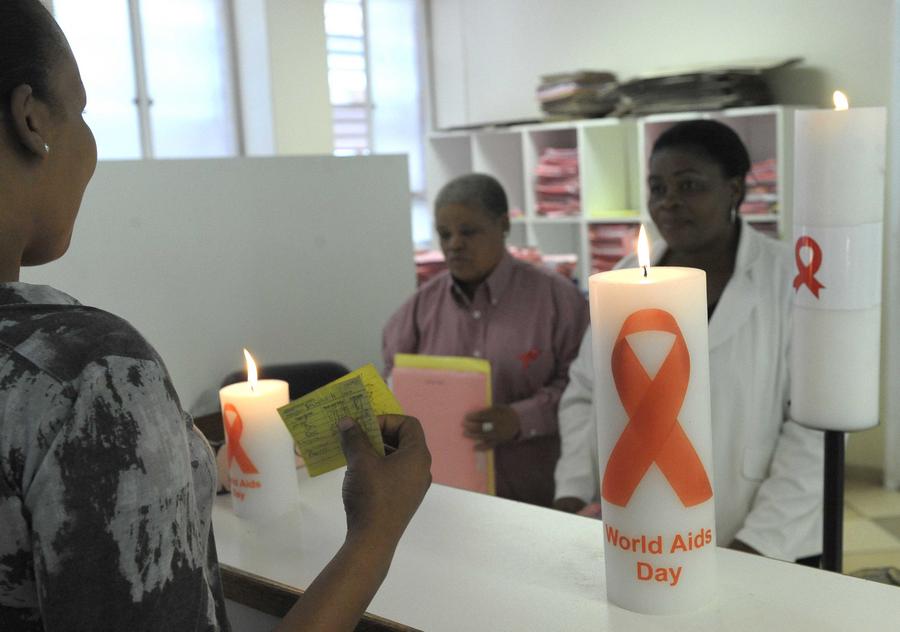
The United States will begin withdrawing financial support for HIV and AIDS programmes in South Africa, ending decades of assistance under one of the world’s largest public health initiatives as relations between Washington and Pretoria continue to deteriorate.
A US State Department official confirmed that the administration of Donald Trump will begin a phased withdrawal of funding provided through the President’s Emergency Plan for AIDS Relief, saying the move reflects South Africa’s failure to meet policy expectations set by the US administration and its capacity to finance its own healthcare system, the BBC reported.
The decision marks a major shift in US health policy towards South Africa, which has long been the largest recipient of PEPFAR funding. Until 2025, the programme contributed an estimated $400 million annually to HIV prevention, testing, treatment and support services, accounting for roughly one-fifth of the country’s overall HIV programme.
South Africa has the world’s largest HIV epidemic, with more than eight million people living with the virus. PEPFAR has played a central role in expanding access to treatment since its launch in 2003, supporting healthcare workers, clinics, prevention campaigns and community-based services.
Although a temporary “bridge plan” extended funding last year, the US government has now confirmed that financial support will be gradually scaled back, according to BBC report.
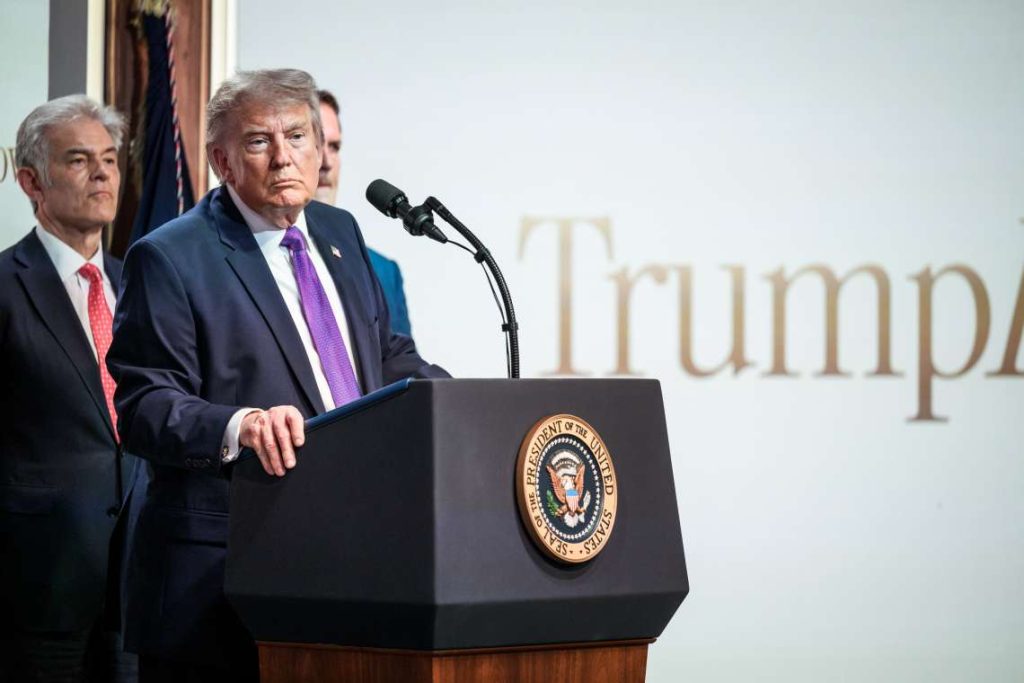
A State Department official said the withdrawal was linked to what Washington described as South Africa’s failure to make “demonstrable progress” on policy requests from the Trump administration.
The official said the objective was to encourage greater self-reliance, arguing that South Africa’s status as a middle-income country meant it was capable of funding its own public health programmes without long-term dependence on American assistance.
The announcement comes amid a sharp decline in diplomatic relations between the two countries.
Shortly after returning to office, President Trump signed an executive order criticising South Africa’s domestic and foreign policies. The order accused Pretoria of undermining equal opportunities through its Black Economic Empowerment programme and alleged that white landowners faced racial discrimination and violence.
The South African government has consistently rejected those claims, maintaining that Black Economic Empowerment policies are intended to address deep economic inequalities created during the apartheid era rather than discriminate against any community.
The White House has also criticised South Africa over its legal case against Israel before the International Court of Justice and its diplomatic ties with **Iran>, describing these positions as incompatible with continued US assistance.
President Trump has repeatedly claimed that a “white genocide” is taking place in South Africa, allegations that have been widely rejected by independent experts, researchers and the South African government. His administration subsequently created a refugee programme specifically for Afrikaners, descendants of mainly Dutch and other European settlers, allowing eligible applicants to seek refuge in the United States.
Pretoria has dismissed allegations of systematic persecution of Afrikaners and has repeatedly said violent crime affects South Africans across all racial groups.
South Africa’s Department of Health said it had not received formal notification of the latest US decision but stressed that the government had already been preparing for greater financial independence.
The department said it had developed a long-term self-reliance strategy and emphasised that the procurement of life-saving antiretroviral medicines is financed almost entirely by the South African government rather than through PEPFAR funding.
Officials sought to reassure patients that HIV treatment would continue uninterrupted despite the expected reduction in American financial support.
Nevertheless, health experts have warned that the withdrawal of US funding could affect a range of services beyond medication, including HIV testing, prevention programmes, community outreach, counselling and support for vulnerable populations.
The decision is the latest setback in efforts to repair relations between Washington and Pretoria.
A widely publicised White House meeting between President Trump and South African President Cyril Ramaphosa failed to ease tensions after Trump reiterated claims that white South Africans were facing persecution, assertions Ramaphosa firmly rejected.
Relations deteriorated further when the United States declined to participate in the G20 Summit hosted by South Africa, reflecting broader disagreements over foreign policy and bilateral cooperation.
The phased withdrawal of PEPFAR support now adds a major public health dimension to the increasingly strained relationship, raising questions over the future of international HIV funding in a country that remains at the centre of the global fight against the epidemic.