
UNHCR reports the first decline in global refugee numbers in 10 years but warns that millions remain displaced, with many returning home only to face insecurity, poverty and uncertain futures….reports Asian Lite News Desk
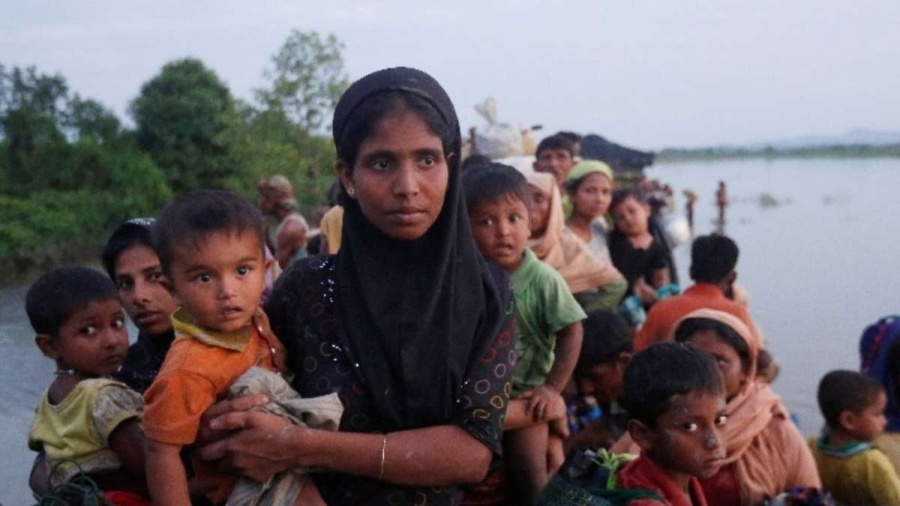
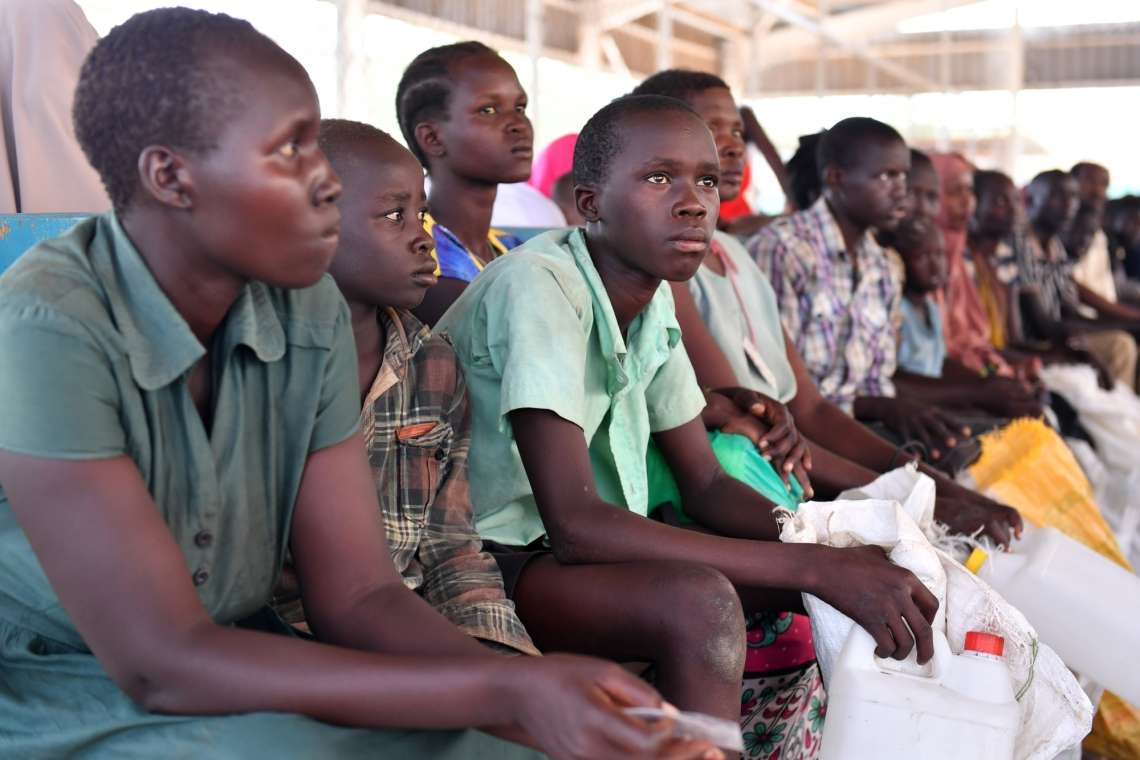
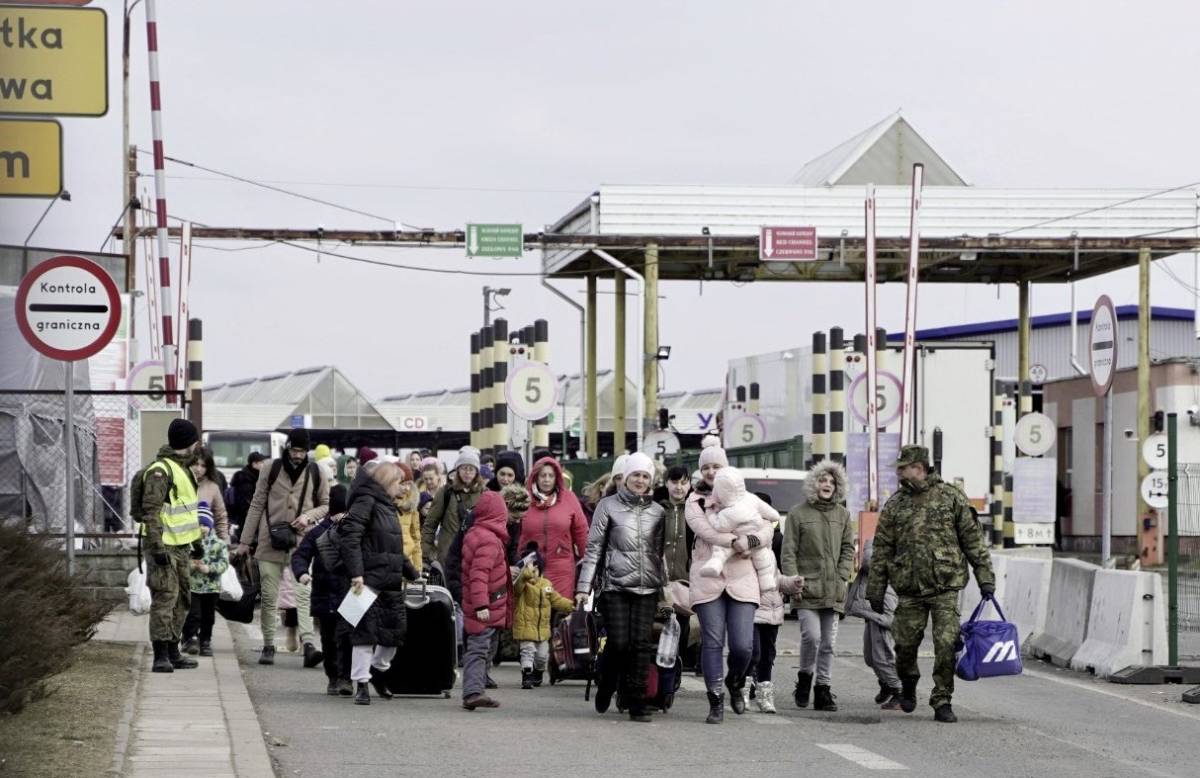
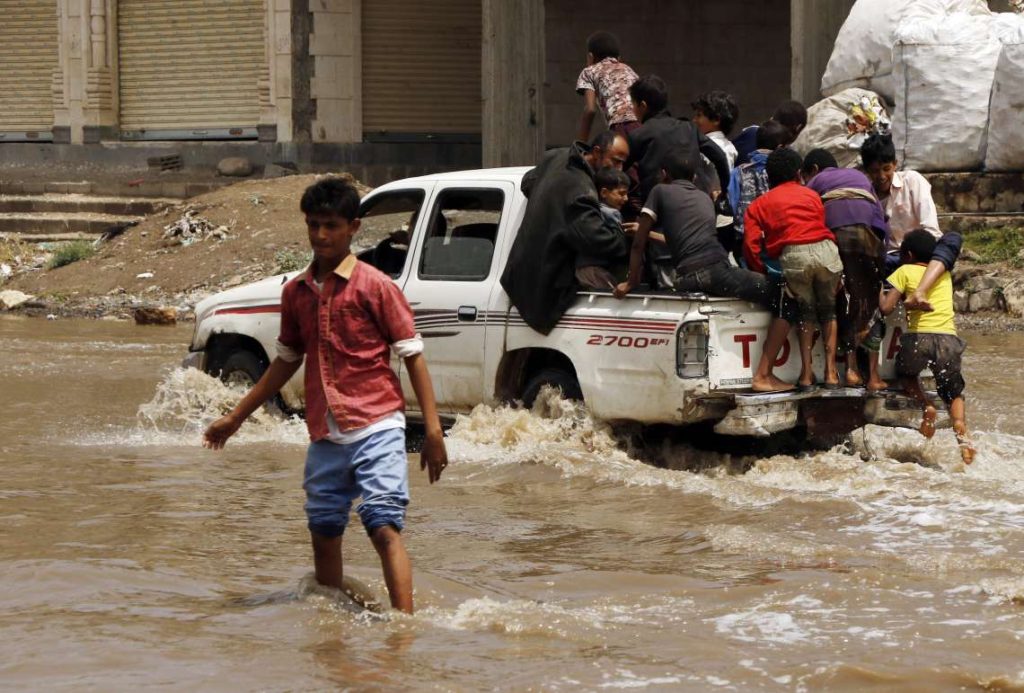
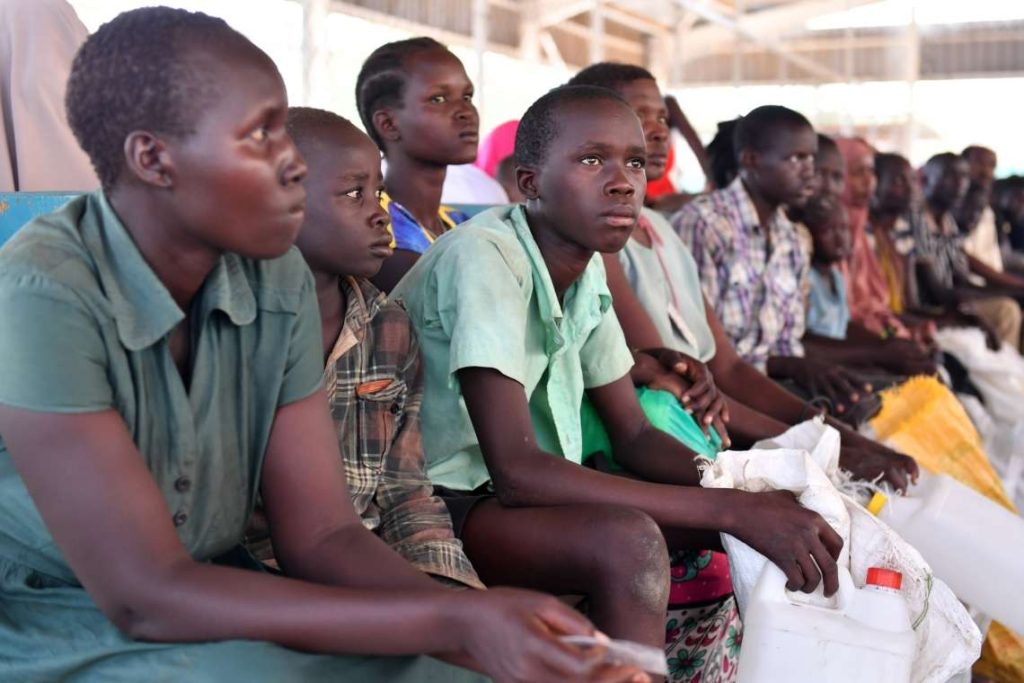
Global forced displacement declined for the first time in a decade in 2025, largely due to a sharp rise in refugee and internally displaced people returning home, but the overall number of people uprooted by conflict and persecution remains alarmingly high, the UN Refugee Agency (UNHCR) said while releasing its flagship Global Trends Report.
Launching the report, UN High Commissioner for Refugees Barham Salih said 5.4 million people were newly displaced across international borders during the year, while 14.7 million displaced people returned to their areas or countries of origin. The returns included 4.4 million refugees and 10.3 million internally displaced people (IDPs), making it one of the largest return movements recorded in recent decades.
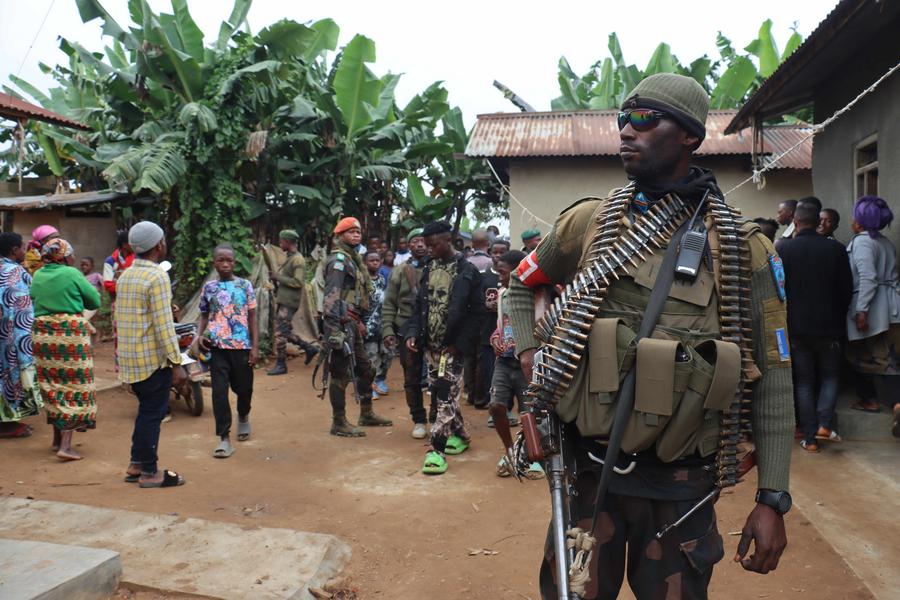
According to the report, the global refugee population fell by 3 per cent to 41.6 million in 2025, marking the first decline in refugee numbers in ten years. Refugee returns reached their second-highest level since UNHCR began maintaining records six decades ago. However, the agency cautioned that many of these returns took place under pressure, with people going back to countries where security, infrastructure and basic services remained fragile.
The report identified Afghanistan, Sudan and Syria as the countries witnessing the largest increases in refugee and IDP returns, although many returnees continue to face uncertainty and difficult living conditions.
UNHCR also highlighted progress in reducing statelessness, reporting that nearly 46,000 stateless people acquired citizenship across 24 countries during the year. Despite that achievement, the number of stateless people worldwide increased by 3 per cent to an estimated 4.5 million by the end of 2025.
Salih said that while humanitarian assistance remains essential for saving lives, it cannot be the long-term solution for millions of refugees living in prolonged displacement.
“For too many refugees, displacement starts as a lifeline but lasts a lifetime,” he said, stressing that humanitarian aid alone does not provide refugees with the opportunity to rebuild their lives or secure their futures.
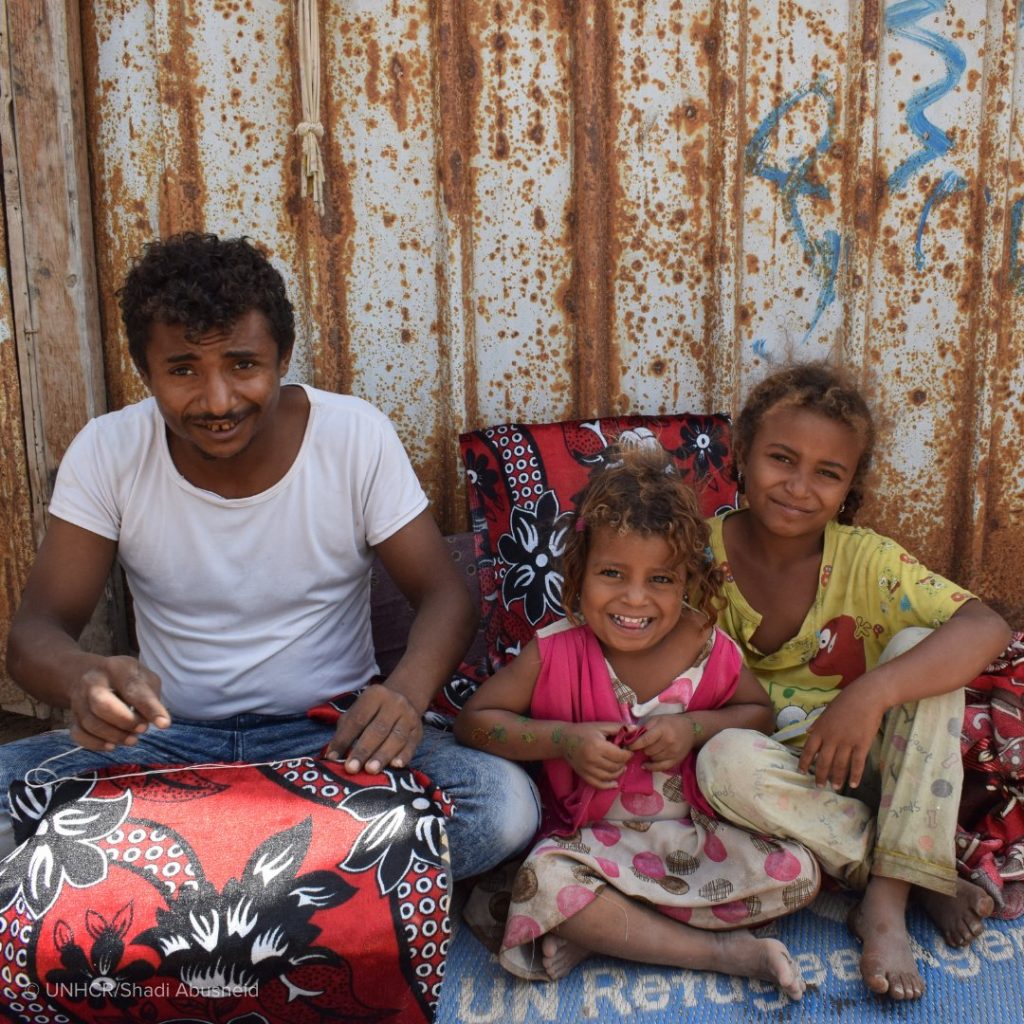
He called for a shift in the global approach to refugee assistance and proposed an ambitious target of reducing by more than half, over the next decade, the number of refugees trapped in long-term displacement and dependent on humanitarian aid.
The initiative focuses on low- and middle-income countries, which host the majority of the world’s refugees. It aims to expand opportunities for voluntary return, increase access to resettlement, humanitarian visas and family reunification, while encouraging greater investment in programmes that promote self-reliance rather than prolonged dependence on emergency assistance.
Salih said governments, humanitarian organisations, development agencies, the private sector and civil society must work together to achieve the goal while continuing to uphold the right to asylum and international protection.
He emphasised that voluntary return should remain the preferred long-term solution wherever conditions allow, noting that resolving a small number of major conflicts could enable millions of refugees to return home safely and with dignity.
He also stressed the importance of integrating refugees into national education systems, healthcare services, labour markets and financial institutions so they can earn sustainable incomes and contribute to local economies. Such efforts, he said, would require significantly greater international investment to support countries that host large refugee populations.
The report also underscored the widening gap between the need for durable solutions and the opportunities available. Arrivals through refugee resettlement and sponsorship programmes fell by more than half during the year to just 81,800 people, limiting options for the world’s most vulnerable refugees.
“Asylum and protection are life-saving and not up for debate, but we cannot accept a future in which millions of refugees remain trapped for years or decades without realistic prospects of rebuilding their lives,” Salih said, adding that the proposed initiative offers a measurable path towards greater self-reliance and lasting solutions.
According to the report, more than 70 per cent of refugees and others in need of international protection originated from six countries—Afghanistan, South Sudan, Sudan, Syria, Ukraine and Venezuela. Colombia remained the world’s largest refugee-hosting country with 2.8 million refugees and people in need of international protection, followed by Germany, Türkiye, Uganda, Iran, Chad and Pakistan.
The report further noted that 68.6 million people were internally displaced by conflict and violence at the end of 2025, a 7 per cent decline from the previous year. Sudan remained the world’s largest internal displacement crisis with 9.1 million internally displaced people. It also highlighted the humanitarian impact of the conflict in the Middle East, which began in 2026, displacing an estimated one million people in Lebanon and 3.2 million people within Iran.