
South Africa’s president has condemned the latest US and Israeli strikes on Iran as violations of international law, urging all sides to show restraint. The statement comes amid escalating tensions after Iran retaliated with missile fire towards Gulf states hosting US bases and Israel…reports Asian Lite News
South Africa’s president has condemned the United States and Israel for launching strikes on Iran, describing the action as a violation of international law and urging all parties to exercise restraint and pursue dialogue.
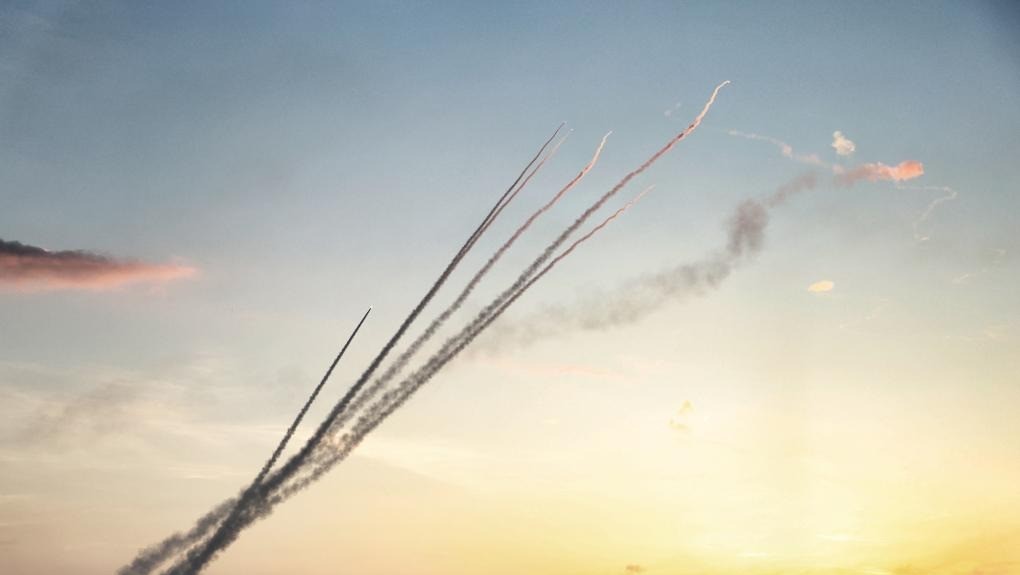
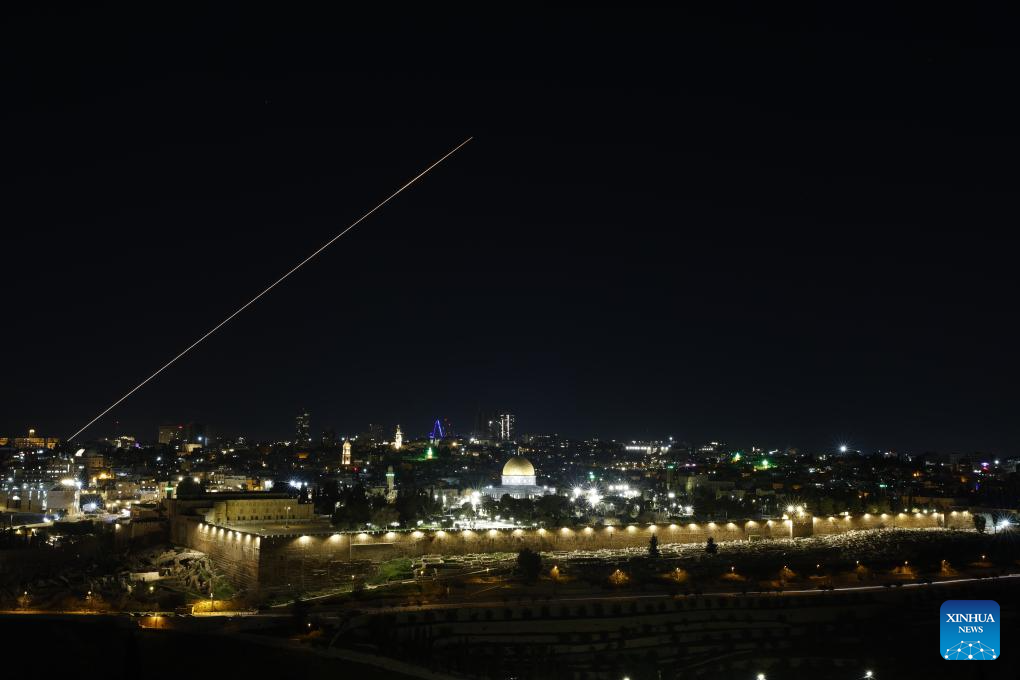
The strikes were carried out on Saturday, with Washington and its ally Israel citing “threats” from Iran as justification. In response, Iran launched a barrage of missiles targeting Gulf states that host US military bases, as well as Israel, marking a sharp escalation in regional tensions.
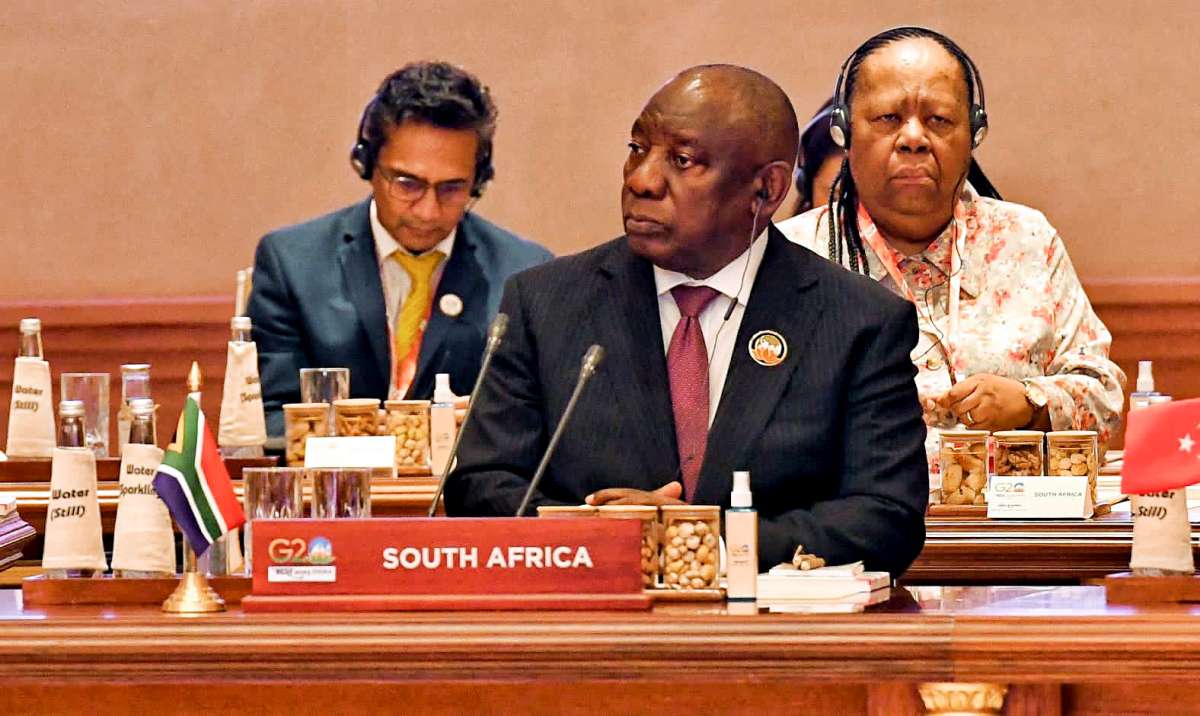
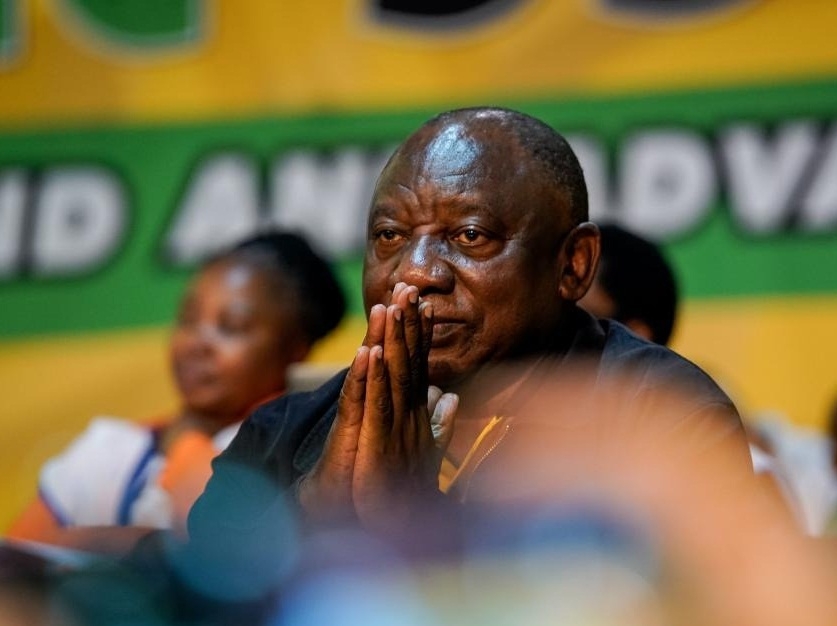
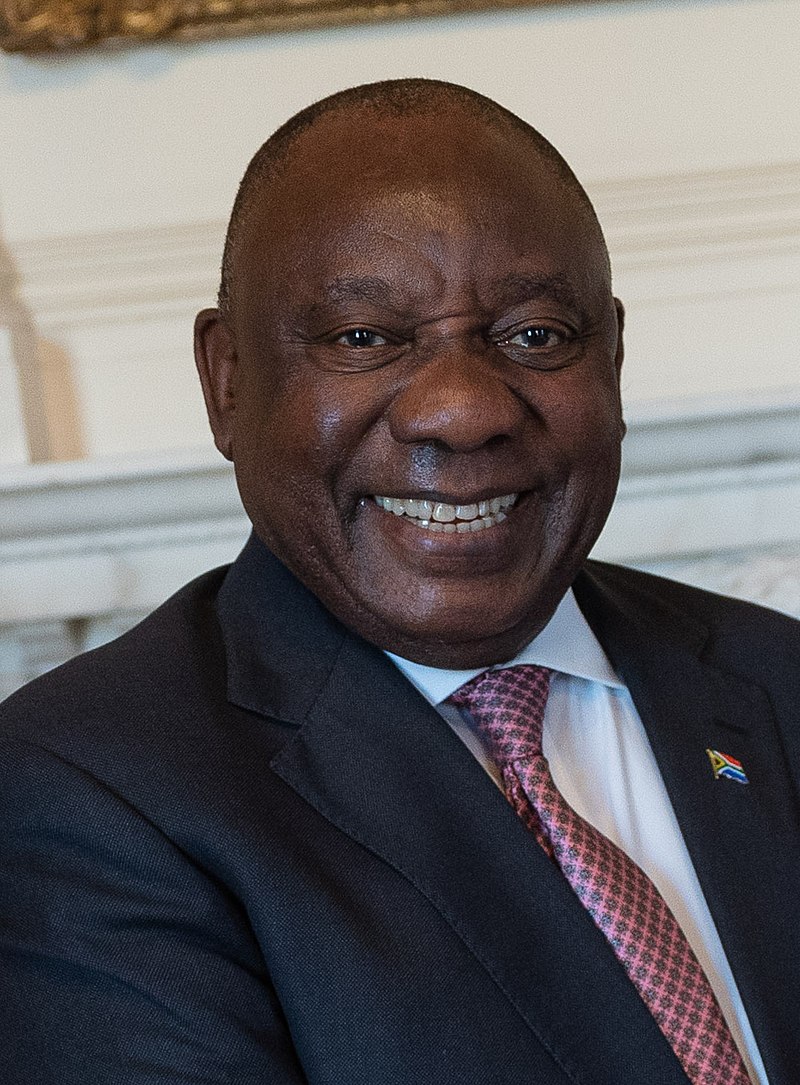
President Cyril Ramaphosa “calls on all parties to exercise maximum restraint and to act in a manner consistent with international law, international humanitarian law and the principles of the United Nations Charter,” according to a statement issued by his office.
The statement emphasised that the UN Charter provides clear parameters for the lawful use of force. It said self-defence can only be invoked when a state has been subjected to an armed invasion. The presidency further condemned what it described as “international law violations,” stating: “Anticipatory self-defense is not permitted under international law and self-defense cannot be based on assumption or anticipation.”
Ramaphosa “reiterates his call for intensified diplomatic efforts to de-escalate tensions and create space for continued meaningful negotiations,” the statement said.
The remarks place South Africa among countries urging caution as hostilities between Iran and its adversaries intensify. While the United States and Israel framed their actions as necessary security measures, Pretoria’s response underscored its view that the strikes fell outside the scope of lawful self-defence under international law.
US President Donald Trump said Washington’s goal was “eliminating imminent threats” from Iran. Israel’s Prime Minister Benjamin Netanyahu said the operation was aimed at removing an “existential threat.” Both leaders presented the strikes as pre-emptive measures designed to counter what they described as immediate dangers posed by Tehran.
Iran’s retaliatory missile fire widened the scope of the confrontation, with projectiles directed at Gulf states hosting US bases as well as at Israel. The exchanges have heightened concerns about the potential for broader regional instability, particularly given the strategic importance of Gulf states and the longstanding tensions between Iran and Israel.
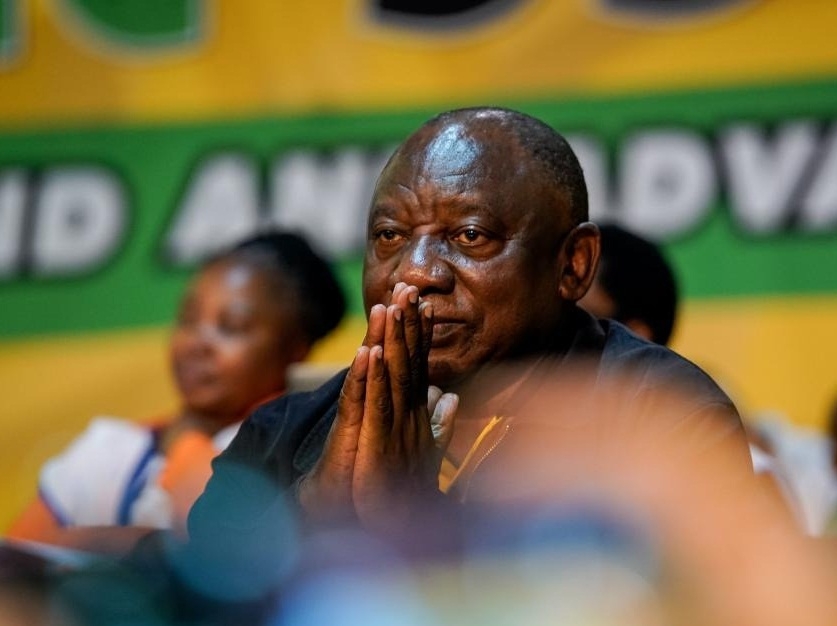
South Africa’s statement did not align itself with any party in the conflict but focused instead on principles of international law and the need to prevent further escalation. By explicitly rejecting the concept of anticipatory self-defence, Pretoria signalled its opposition to the legal rationale advanced by Washington and Tel Aviv.
The reference to the United Nations Charter reflects a longstanding position in South African foreign policy that emphasises multilateralism and adherence to established international norms. The presidency’s call for “maximum restraint” and “intensified diplomatic efforts” highlights its concern that continued military exchanges could undermine prospects for negotiation and risk drawing additional actors into the conflict.
The latest developments come against a backdrop of heightened tensions in the Middle East, where rivalries and security concerns have repeatedly flared into open confrontation. Analysts have warned that miscalculation or further retaliatory measures could deepen instability in a region already marked by complex alliances and competing interests.
As the situation evolves, diplomatic channels are expected to come under renewed pressure, with governments and international organisations likely to urge de-escalation. South Africa’s intervention adds to the chorus of voices calling for adherence to international law and a return to dialogue as the preferred means of resolving disputes.