
The US and the Democratic Republic of Congo have signed a $1.2 billion health partnership to tackle major infectious diseases and improve maternal and child health. The agreement comes amid wider US aid cuts and growing concern in Africa over data-sharing conditions attached to new funding deals…reports Asian Lite News
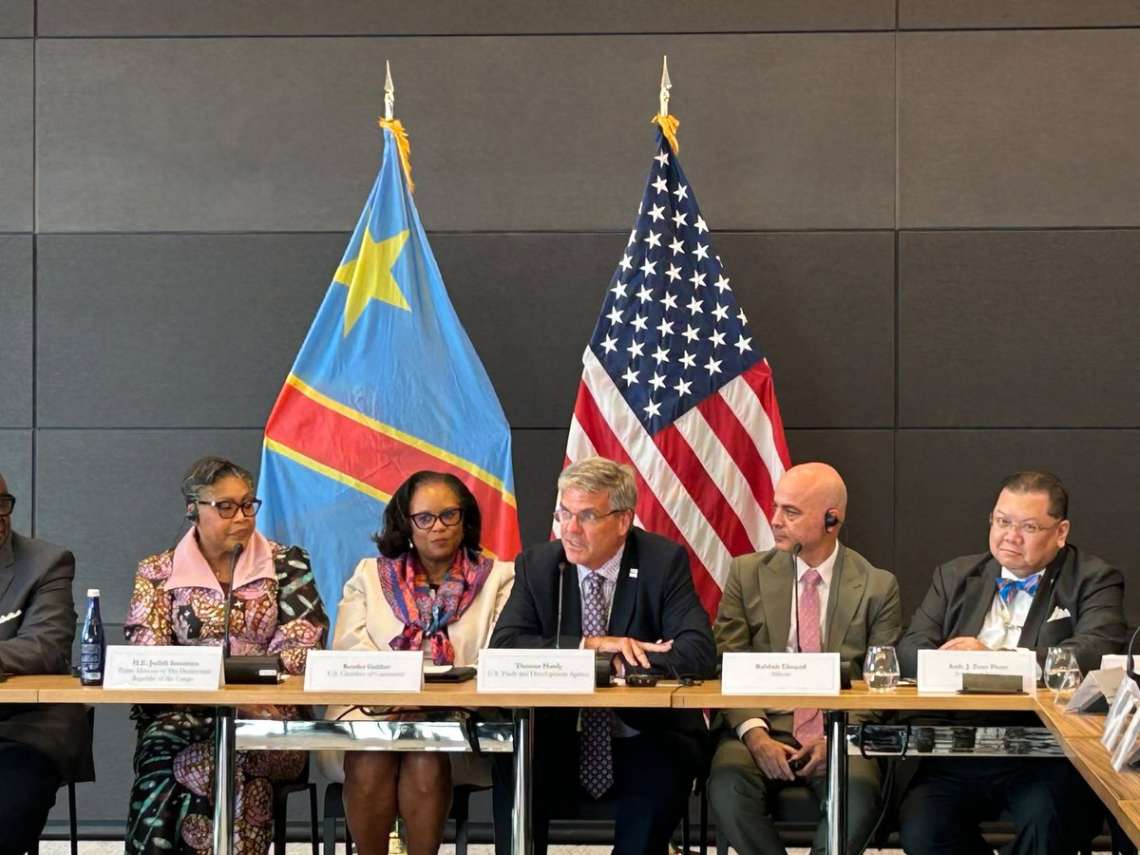
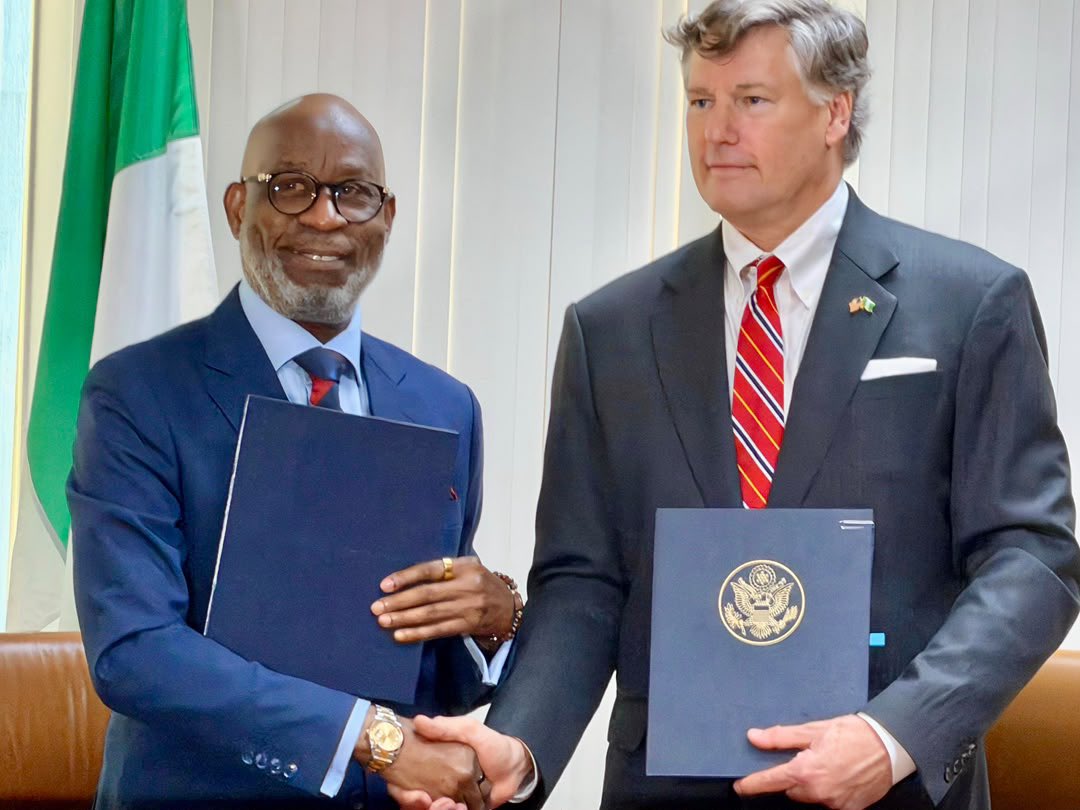
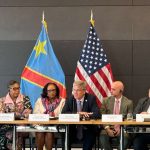
The United States and the Democratic Republic of Congo have signed a $1.2 billion health partnership, the two governments said in a joint statement, marking the latest in a series of bilateral agreements between Washington and African nations.
Under the terms of the deal, the US Department of State will provide up to $900 million over the next five years to support Congo’s efforts to combat HIV/AIDS, tuberculosis, malaria, maternal and child mortality, and other infectious diseases. Congo’s government will commit to increasing its own domestic health spending by $300 million over the same period, according to the statement.
The agreement forms part of a broader shift in US global health policy. The State Department has signed 19 bilateral global health partnerships with African countries as of Thursday. Many of those countries have been affected by recent reductions in US aid, including Congo.
US aid cuts have strained health systems across parts of the developing world, particularly in Africa, where many governments have relied heavily on American funding for core health programmes. Those programmes have included efforts to manage infectious disease outbreaks and maintain routine services such as immunisation and maternal care.
The Trump administration has described the new agreements as “America First” global health funding arrangements designed to encourage greater self-sufficiency among partner countries. Officials say the deals aim to eliminate what they describe as ideological priorities and waste in international assistance. The new partnerships replace a range of earlier health agreements that were administered through the now-dismantled United States Agency for International Development.
Analysts say the revised framework reflects US President Donald Trump’s broader approach to foreign policy, which has emphasised direct negotiations and bilateral arrangements. They argue that the health partnerships illustrate a more transactional model of engagement, with funding tied to specific commitments and conditions agreed between governments.
The announcement of the US-Congo partnership coincided with comments from the Africa Centers for Disease Control and Prevention raising concerns about certain provisions included in some of the new agreements. The Africa CDC has warned that requirements for countries to share data with Washington on viruses that could trigger outbreaks within their borders may pose challenges.
“There are huge concerns regarding data, regarding pathogen sharing,” Africa CDC director-general Dr Jean Kaseya told reporters. He indicated that some African governments have expressed unease about the scope and implications of such requirements.
Negotiations on a health funding deal between the United States and Zimbabwe collapsed after the African nation rejected a condition that would have required it to share sensitive health data. It remains unclear whether similar provisions are included in the partnership between Washington and Kinshasa.
Neither government has publicly detailed the specific terms relating to data-sharing in the Congo agreement. The joint statement announcing the partnership focused on financial commitments and programme priorities rather than operational conditions.
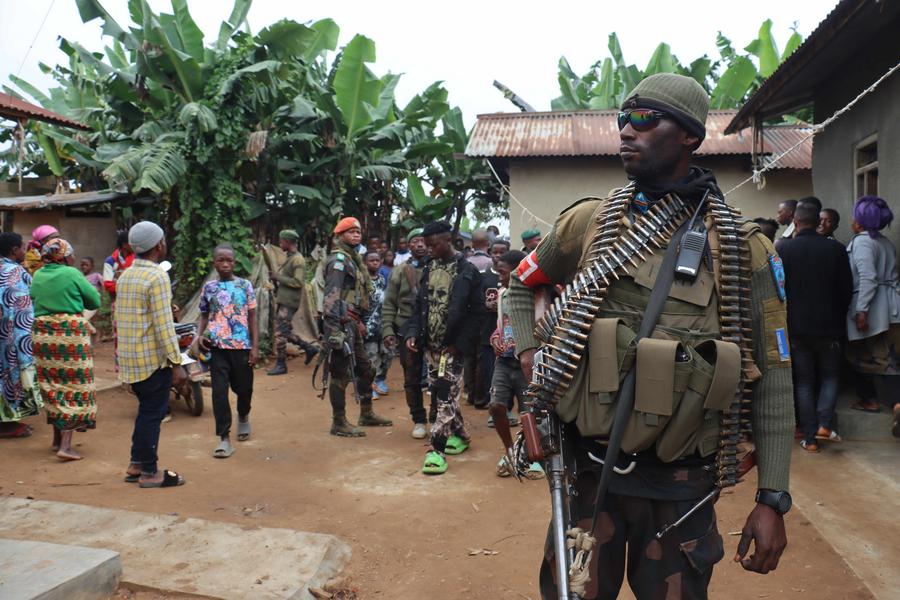
The Democratic Republic of Congo faces significant public health challenges, including high rates of infectious disease and persistent maternal and child mortality. International funding has long played a central role in supporting its health system, particularly in rural and conflict-affected areas.
The new partnership signals continued US engagement in Congolese health programmes, albeit under a restructured framework. As more agreements are concluded across the continent, attention is likely to focus not only on the scale of financial support but also on the conditions attached and the balance between international backing and domestic responsibility.