
Women and children were among those working at the mine, highlighting ongoing safety concerns in a region where armed groups control key mineral assets…reports Asian Lite News
More than 200 people have been killed in a mine collapse in eastern Democratic Republic of Congo, rebel authorities have said, after heavy rains caused a landslide at an informal mining site in the town of Rubaya. The mine gave way on Wednesday, Lumumba Kambere Muyisa, spokesman for the North Kivu region’s rebel governor, told reporters. At the time, the full death toll remained unclear.
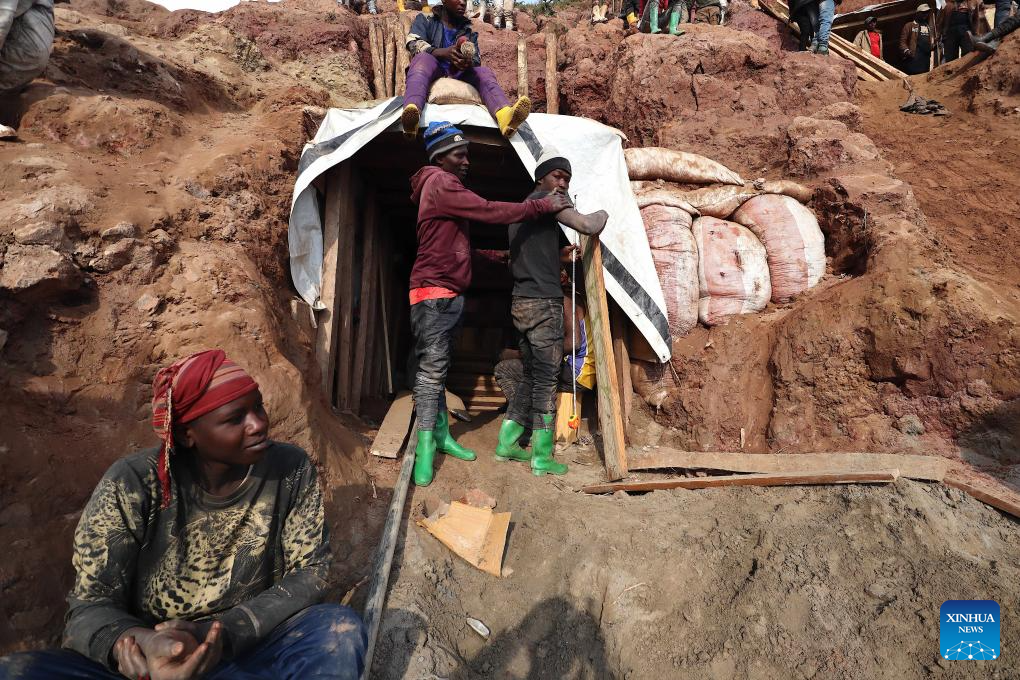
Women and children were among those mining coltan at the time of the collapse. Coltan is a mineral used in the manufacture of electronic devices such as smartphones and computers. A former supervisor of the mine said the site was not properly maintained, increasing the likelihood of accidents and making rescue operations more difficult when disasters occur.
He added that the fragile nature of the soil made the situation worse. Women, children and artisanal miners – those not officially employed by a mining company – are among those killed. Around 20 survivors are said to be receiving treatment in hospital.
A source whose cousin died in the landslide expressed shock, saying it was “a big loss” for the family and community. “I didn’t believe he could pass away in such circumstances,” the source, who did not wish to be named, said, describing his cousin as a “courageous” and “ambitious” man whose main goal was to provide for his wife and two children.
“I didn’t believe [he was dead] because investigations were still ongoing. His body wasn’t found after the accident, so I did have hope that he could be found alive. Unfortunately, some hours later, his body was discovered.”
Governor Erasto Bahati Musanga, who was appointed by the M23 rebels after seizing large parts of territory in North Kivu, visited survivors of the incident on Friday, according to local officials. The visit came amid growing anger in the community over the lack of basic safety standards at the site and the absence of heavy equipment to assist with rescue efforts.
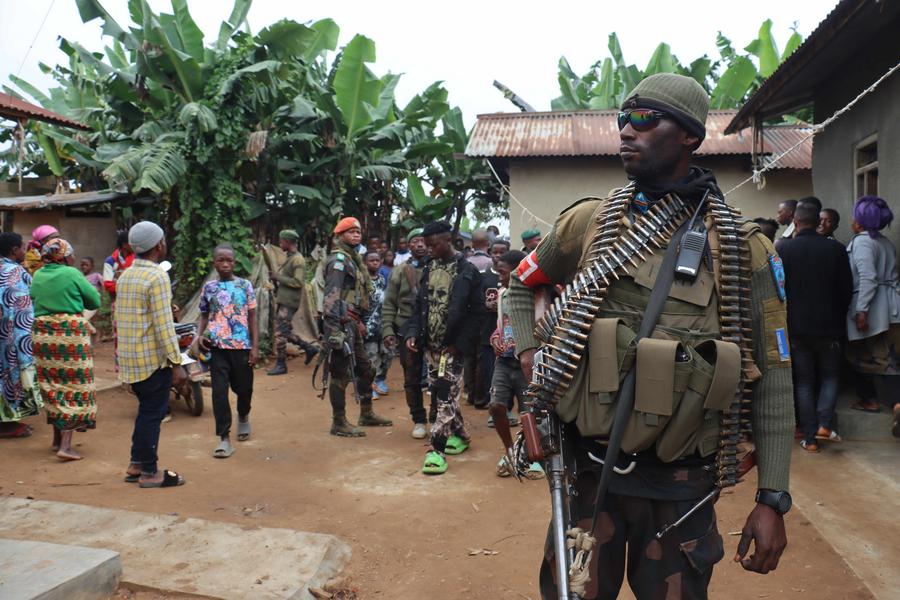
Rubaya is one of several towns in North Kivu currently under the control of the M23, who international observers say are backed by neighbouring Rwanda, a claim denied by Kigali. The mines in Rubaya are believed to hold about 15% of the world’s coltan supply and around half of the Democratic Republic of Congo’s total known deposits, making the area strategically important in the global supply chain for electronic components.
The metallic ore contains tantalum, which is used to produce high-performance capacitors in a wide range of electronic devices, from mobile phones and laptops to medical equipment and aerospace technology. This has made coltan one of the most sought-after minerals in the region, drawing thousands of workers to informal and often hazardous mining sites.
When a team visited the area in July 2025, miners were observed digging manually using basic tools to extract the mineral from deep pits. Conditions at the site were described as extremely poor, with little structural support and large, unstable excavations spread across a vast area.
Since 2024, the M23 rebels have been in control of the mines. The United Nations has previously accused the group of imposing taxes on the mining sector for their own benefit, with revenues allegedly used to finance their military operations. Armed groups have long been linked to the exploitation of natural resources in eastern Congo, fuelling conflict while leaving local communities exposed to dangerous working conditions.
Artisanal mining is widespread across the region, driven by poverty, lack of alternative employment and weak state regulation. Safety standards are minimal, and collapses are common, particularly during the rainy season. Rescue operations are often carried out by fellow miners using shovels and bare hands, with limited access to emergency services.
The latest disaster has renewed calls from civil society groups for stricter oversight of mining activities and greater protection for vulnerable workers, particularly women and children. However, in areas controlled by armed groups, enforcement remains difficult, and communities often depend on mining as their only source of income despite the risks involved.