
As American diplomats prepare to leave, Nigeria’s government urges calm and questions the timing…reports Africa Daily Newsdesk
The United States government has authorised the departure of non-emergency personnel from its embassy in Abuja, signalling deepening concern over security conditions in Nigeria and triggering a swift response from the Nigerian federal government, which has rejected what it describes as an overstated picture of the situation on the ground.
The U.S. Department of State confirmed on April 8, 2026, that non-emergency government employees and their family members had been permitted to leave the embassy in Abuja amid what it described as a deteriorating security environment. The move came alongside a reaffirmation of Nigeria’s Level 3: Reconsider Travel advisory, the second most serious designation in the State Department’s four-tier system. Vast swathes of the country remain under the most severe Level 4: Do Not Travel warning, covering dozens of states spread across the north, northwest, and south of the country.
The breadth of the restricted zones underscores the scale of the U.S. government’s concern. In the northeast and north-central regions, Borno, Jigawa, Kogi, Kwara, Niger, Plateau, Taraba, Yobe, and northern Adamawa states have all been designated no-go areas, primarily because of terrorism, crime, and kidnapping. The northwest fares no better, with Bauchi, Gombe, Kaduna, Kano, Katsina, Sokoto, and Zamfara states similarly blacklisted due to widespread unrest, armed crime, and kidnapping. In the south, Americans are warned to avoid Abia, Anambra, Bayelsa, Delta, Enugu, Imo, and Rivers states — with the sole exception of Port Harcourt — owing to crime, kidnapping, and civil unrest.
The advisory paints a sobering picture of daily life across much of Nigeria. Violent crime, including armed robbery, carjacking, assault, hostage-taking, roadside banditry, and rape, is described as common throughout the country. Kidnapping for ransom is flagged as a particular and persistent threat, with dual nationals visiting Nigeria identified as the primary targets. Americans travelling in the country are considered especially vulnerable, as they are widely perceived to be wealthy. Criminal gangs have been known to intercept vehicles on major interstate roads specifically to rob and abduct occupants.
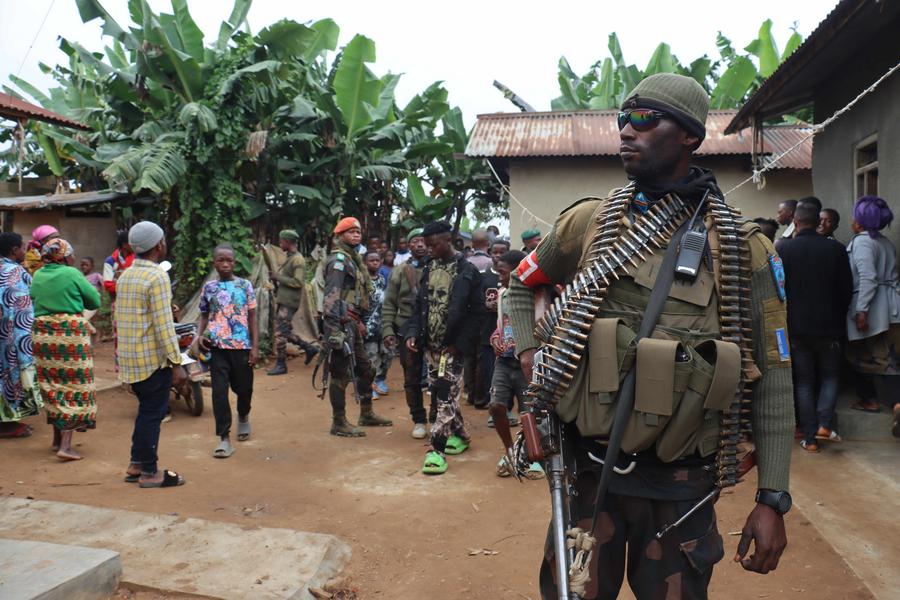
The terrorism threat, the advisory warns, is both active and evolving. Extremist groups continue to plot and carry out attacks, increasingly collaborating with local criminal networks to extend their operational reach. No warning is typically given before strikes, which have targeted shopping centres, markets, hotels, places of worship, restaurants, schools, government buildings, transport hubs, and other public spaces where crowds gather. In the northeast in particular, terrorist groups have targeted humanitarian camps, security forces, churches, mosques, and road travellers. The violence has already displaced approximately two million Nigerians from their homes, according to the advisory.
Civil unrest and armed gang activity add further layers of risk, especially in southern Nigeria. The Niger Delta and Southeast regions are identified as areas of heightened concern, where armed crime, assaults on security services, and kidnapping are common occurrences. Rural communities across the country also face the threat of violence stemming from longstanding conflicts between farming and herding communities.
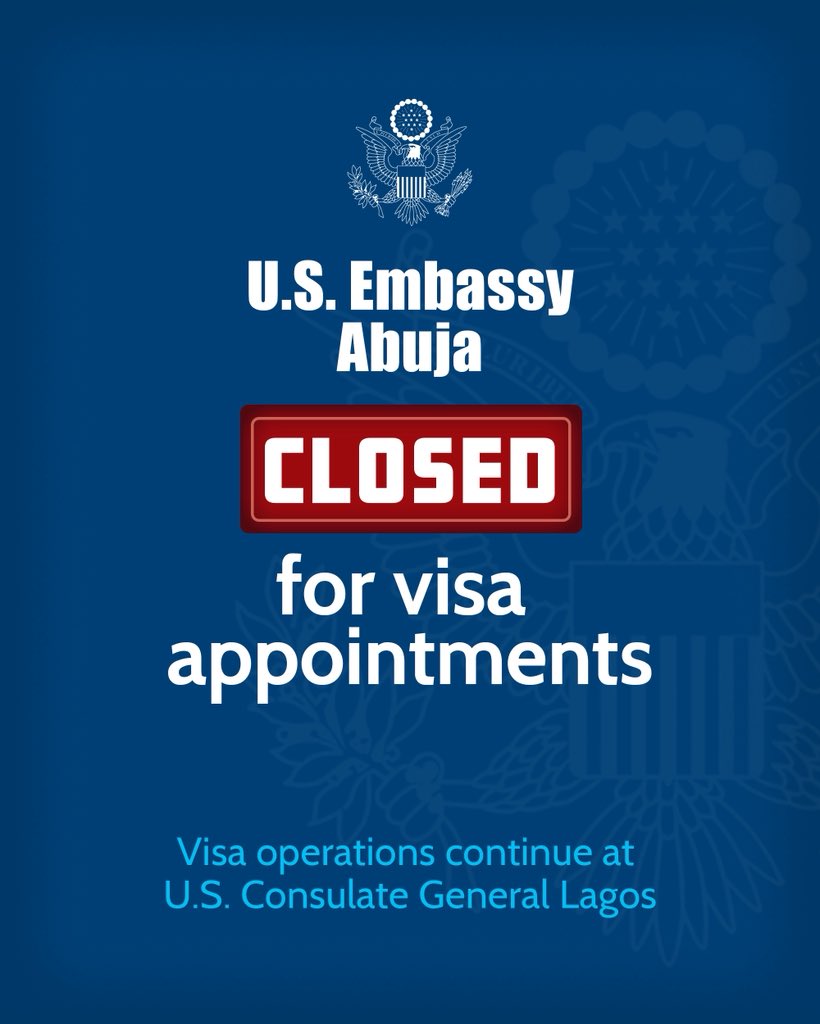
The practical consequences for Americans in Nigeria are already being felt. The U.S. Embassy in Abuja has suspended visa appointments, with applicants directed to check their email for details of rescheduled dates. Visa operations are continuing at the U.S. Consulate General in Lagos, while American citizen services at the Abuja embassy remain available for emergencies and by appointment only.
Nigeria’s federal government has responded robustly to the U.S. assessment, framing the embassy drawdown as a routine internal protocol rather than a reflection of the broader security reality across the country. In a statement, the government insisted that public institutions remain fully operational and that there has been no disruption to governance, economic activity, or daily life.
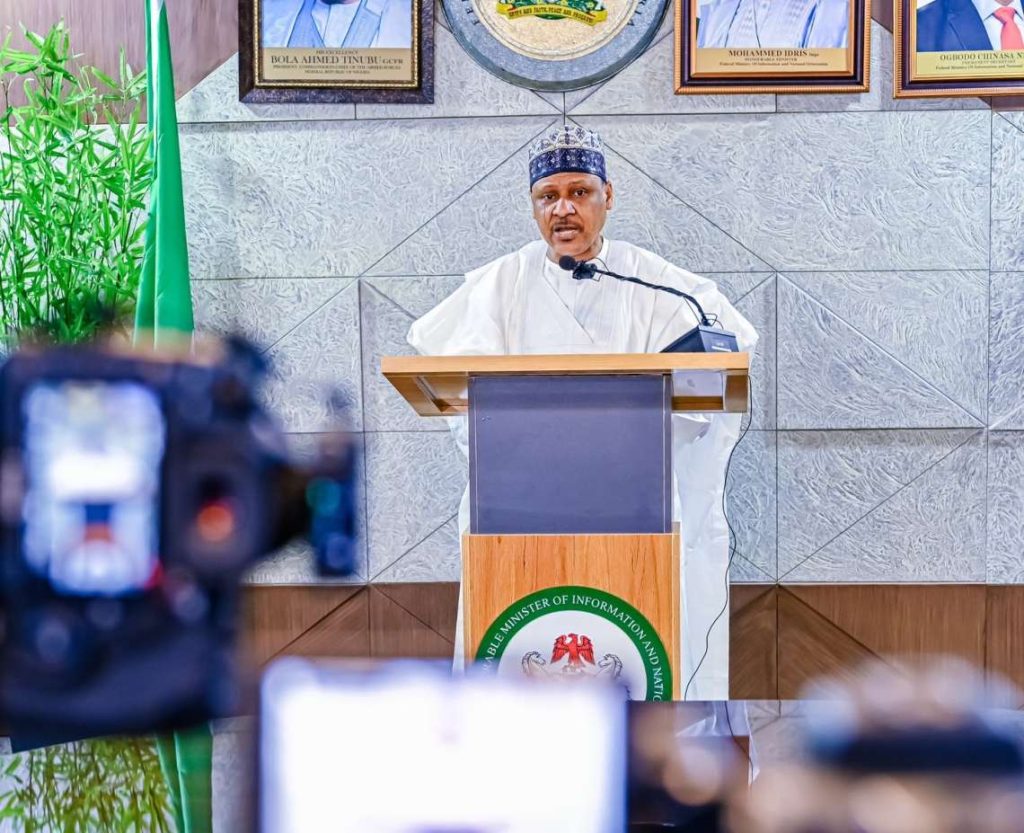
Minister of Information and National Orientation Mohammed Idris acknowledged what he called isolated security challenges in some areas but pushed back firmly against any suggestion of a general breakdown in law and order. “While we acknowledge isolated security challenges in some areas, there is no general breakdown of law and order, and the vast majority of the country remains stable,” he said. The minister described the U.S. decision as a precautionary measure guided by internal protocols and argued it does not accurately represent the overall security picture across Nigeria.
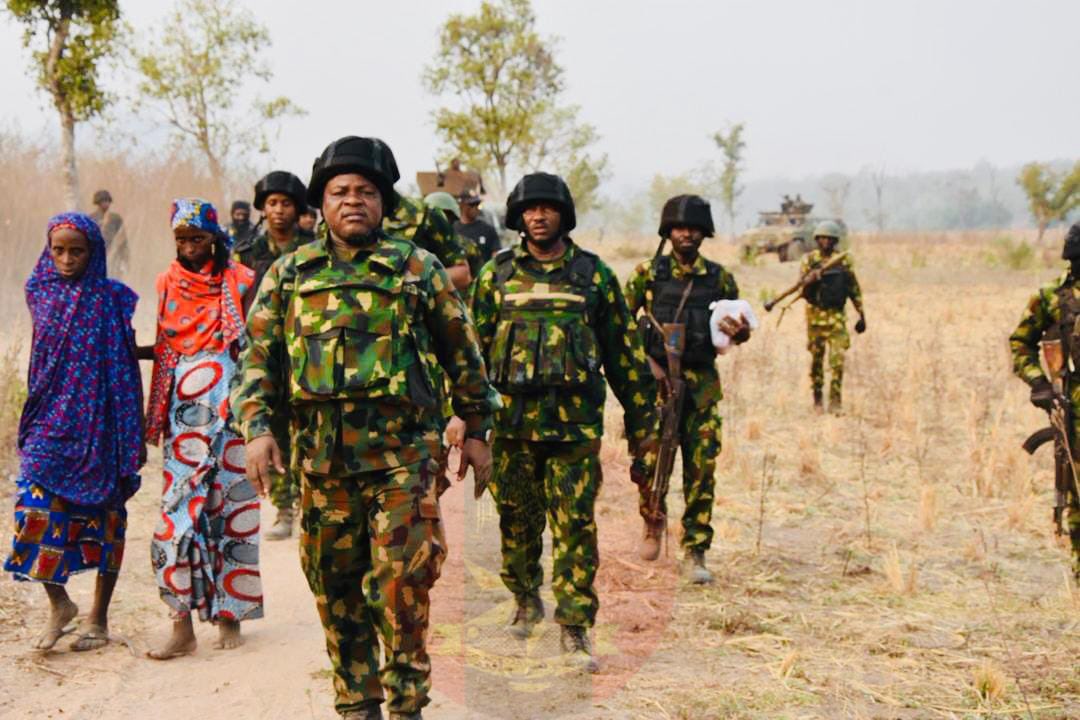
Idris pointed to what the government describes as measurable and ongoing gains in security operations, driven by coordinated military action, intelligence-led interventions, and strengthened cooperation between agencies. These efforts, he said, have disrupted criminal networks, curtailed the activities of armed groups, and improved safety in communities previously most at risk. “Our security agencies remain actively engaged in protecting lives and property, and the results of these efforts are increasingly evident,” he added.
Beyond security, the minister sought to reassure international investors and partners that Nigeria remains open for business. He argued that ongoing economic reforms have strengthened investor confidence and that continued engagement from international partners reflects underlying faith in the country’s stability and long-term prospects. “Nigeria remains a safe and welcoming destination for all,” he said.
The government stopped short of dismissing the U.S. advisory outright, acknowledging that every nation has the right to issue travel guidance based on its own assessment. However, it called on international partners to seek a more balanced and current understanding of conditions on the ground by engaging directly with Nigerian authorities. It urged what it described as more up-to-date reporting that accounts for the progress being made rather than focusing solely on areas of persistent difficulty.
The divergence between Washington’s assessment and Abuja’s response reflects a broader tension that frequently arises when Western governments issue sweeping travel warnings for large and complex countries. Nigeria, Africa’s most populous nation and largest economy, encompasses enormous geographic and social diversity, and conditions vary significantly from state to state. What is undeniable, however, is that the U.S. decision to reduce its embassy presence marks a significant moment, one that will be watched closely by other governments, international businesses, and the millions of Nigerians whose livelihoods depend on continued foreign engagement with their country.