
Kenya says it has identified 109 organised criminal gangs as security agencies step up action ahead of the 2027 General Election…reports Africa Daily News Desk
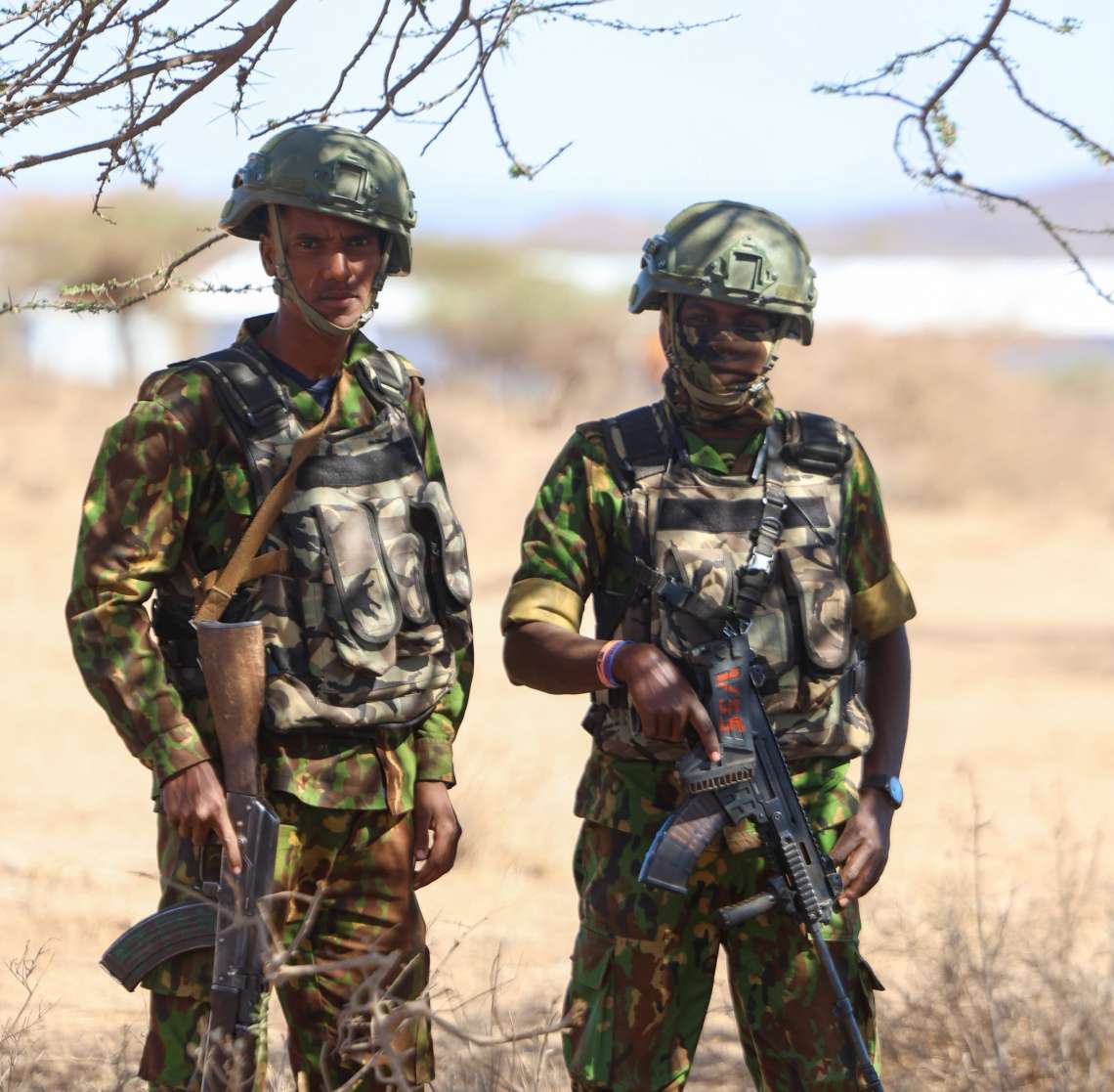
Kenya’s government has intensified action against criminal gangs and organised violence, warning that groups used for political intimidation could threaten security and undermine public confidence ahead of the 2027 General Election.
The government said it has identified 109 organised criminal gangs and groups across the country, up from 89 groups previously declared illegal, as security agencies step up efforts to tackle violence, extortion and other criminal activity.
In a press statement issued on October 6, the Ministry of Interior and National Administration said the country had recently experienced a worrying increase in criminal gangs and organised groups involved in violence, intimidation, extortion and other criminal activities.
It said the use of organised youth groups for political intimidation, attacks and harassment was of particular concern as Kenya approaches the 2027 election.
The government said such activity risked entrenching criminality, undermining the rule of law and weakening public confidence in governance and justice.
Of the 109 gangs and groups identified, 38 are in Western Kenya, 22 in Rift Valley, 20 in Nairobi, 12 in Nyanza, 11 in Coast, two in Eastern, two in North-Eastern and one in Central.
Between January 1 and August 31, 2026, authorities arrested 1,827 suspects and arraigned them for offences linked to organised crime and gang activity. Trans Nzoia recorded the highest number of arrests, with 491.
During the same period, 729 convictions were secured, with Rift Valley accounting for 36.5 per cent of all convictions. A further 716 cases remain before the courts, according to the government.
The government said its response was extending beyond arrests to investigations, prosecutions and convictions, while security agencies were also focusing on the wider networks that enable criminal activity to continue.
“Those who recruit, finance or direct such groups will be held to account alongside those who carry out the violence,” the statement said.
Security agencies have shifted their focus towards gang leaders, recruiters and financiers, using intelligence-led policing to connect apparently separate cases and investigate financial proceeds linked to extortion, robbery, illegal businesses and other organised criminal activity.
The government said increasingly decentralised gang structures and the spread of small arms and light weapons, particularly along vulnerable border areas, had made the fight against organised crime more difficult.
Regional police commanders have been directed to take “firm, decisive and lawful action” against criminal gangs and organised violence in their areas of command.
At the same time, officers found to have facilitated criminal activity or failed to take appropriate action will face administrative and disciplinary measures, the government said.
The authorities also stressed that enforcement alone would not permanently end organised crime and highlighted prevention, rehabilitation and reintegration as part of its broader strategy.
The government said many young people are drawn into criminal groups through promises of quick money, coercion or exploitation, and said it was working with the Probation and Aftercare Service, Kenya Prisons Service, county governments, faith-based organisations and community leaders to support those leaving criminal groups.
It also pointed to programmes including the NYOTA Programme and Hustler Fund as opportunities for young people to access employment, enterprise development and finance.
As the 2027 General Election approaches, the government said security agencies would remain alert to attempts to mobilise criminal gangs or organised youth groups for intimidation, disruption or violence.
It added that security agencies would maintain appropriate visibility during political activities and take lawful action against criminal conduct “regardless of who is involved.”