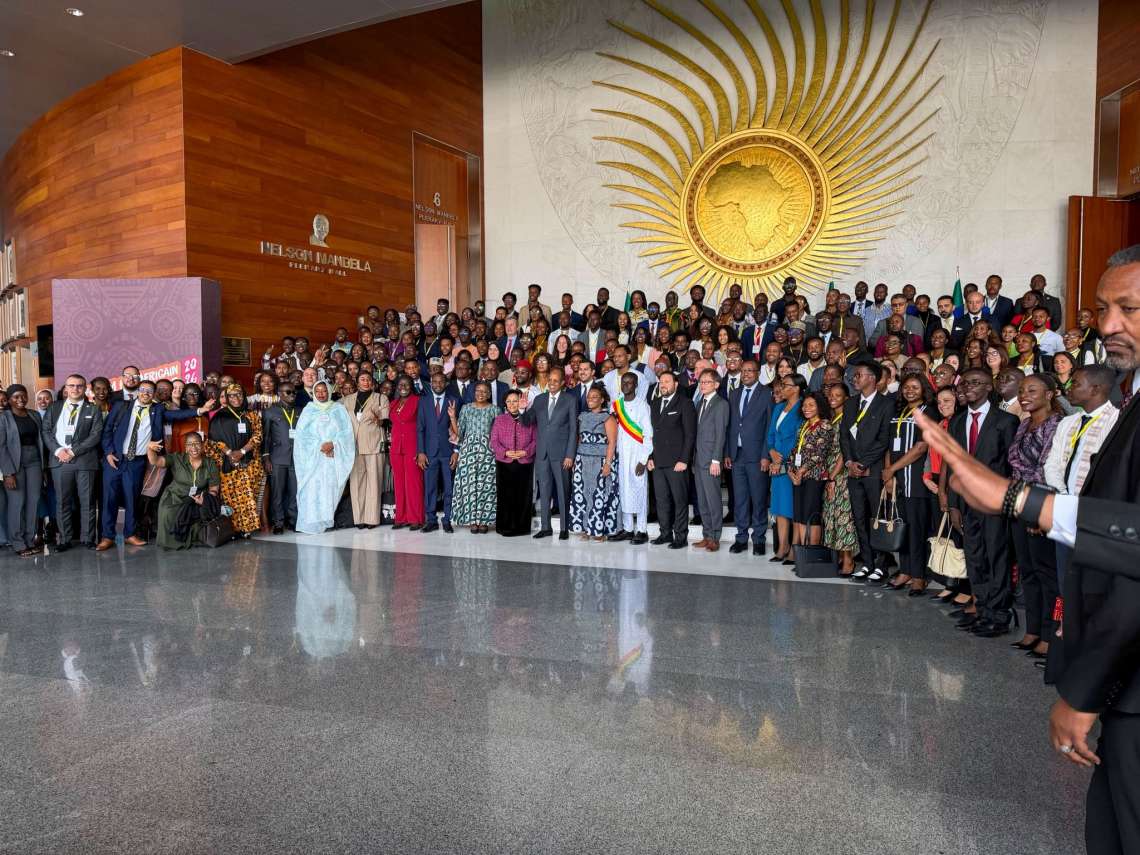

Fifteen African diplomats are taking part in a four-day Pretoria visit to strengthen their knowledge of disarmament, arms control and non-proliferation…reports Africa Daily News Desk
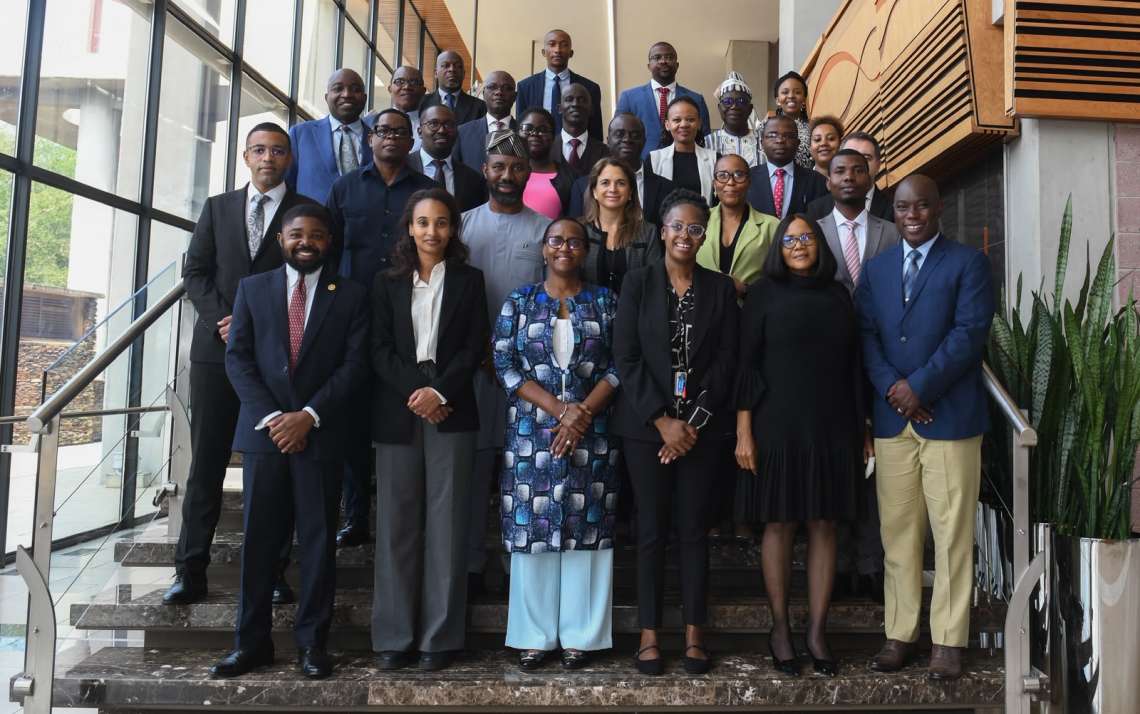
The African Union Commission has brought together 15 diplomats from across Africa in Pretoria for a four-day fellowship visit focused on disarmament, arms control and non-proliferation. The programme, running from 16 to 19 November 2026, aims to strengthen participants’ technical knowledge and provide practical insights into South Africa’s institutional approaches to implementing international security frameworks.
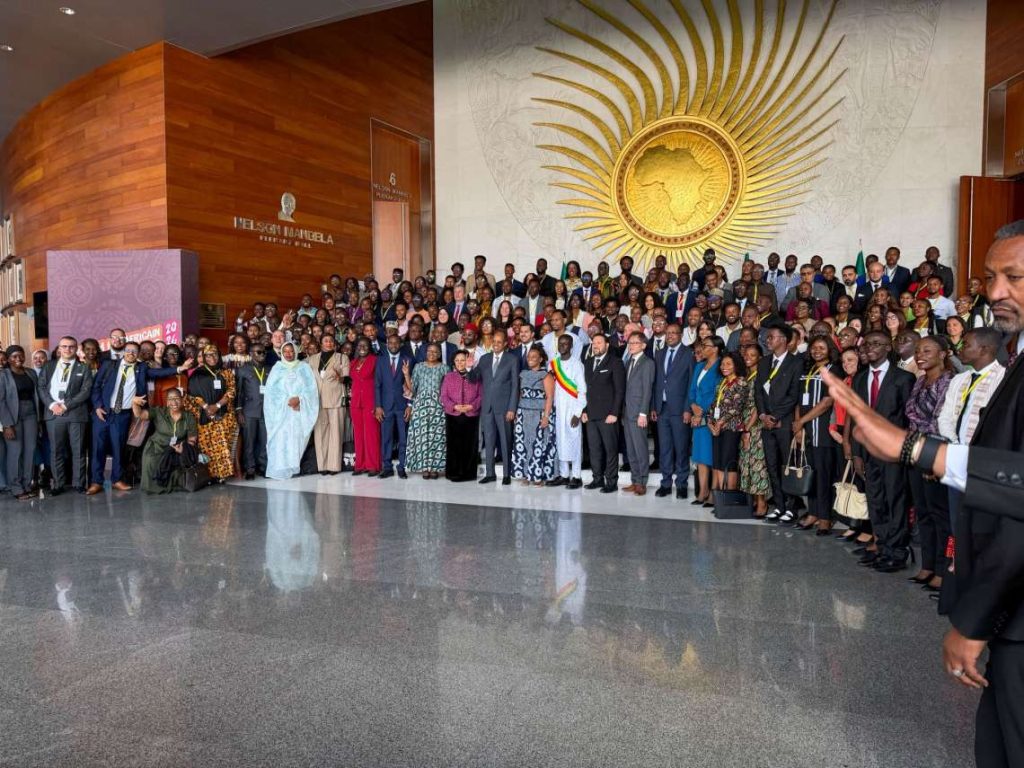
The African Union Commission is conducting a field visit in Pretoria, South Africa, for participants of the second cohort of its Disarmament and Non-Proliferation Fellowship (AUDF) Programme, bringing together 15 fellows representing the continent’s five regions.
Taking place from 16 to 19 November 2026, the visit provides participants with practical exposure to national and institutional approaches to implementing international frameworks on disarmament, arms control and non-proliferation.
It also offers an opportunity for fellows to exchange experiences, strengthen their understanding of regional security issues and explore the peaceful uses of nuclear energy.
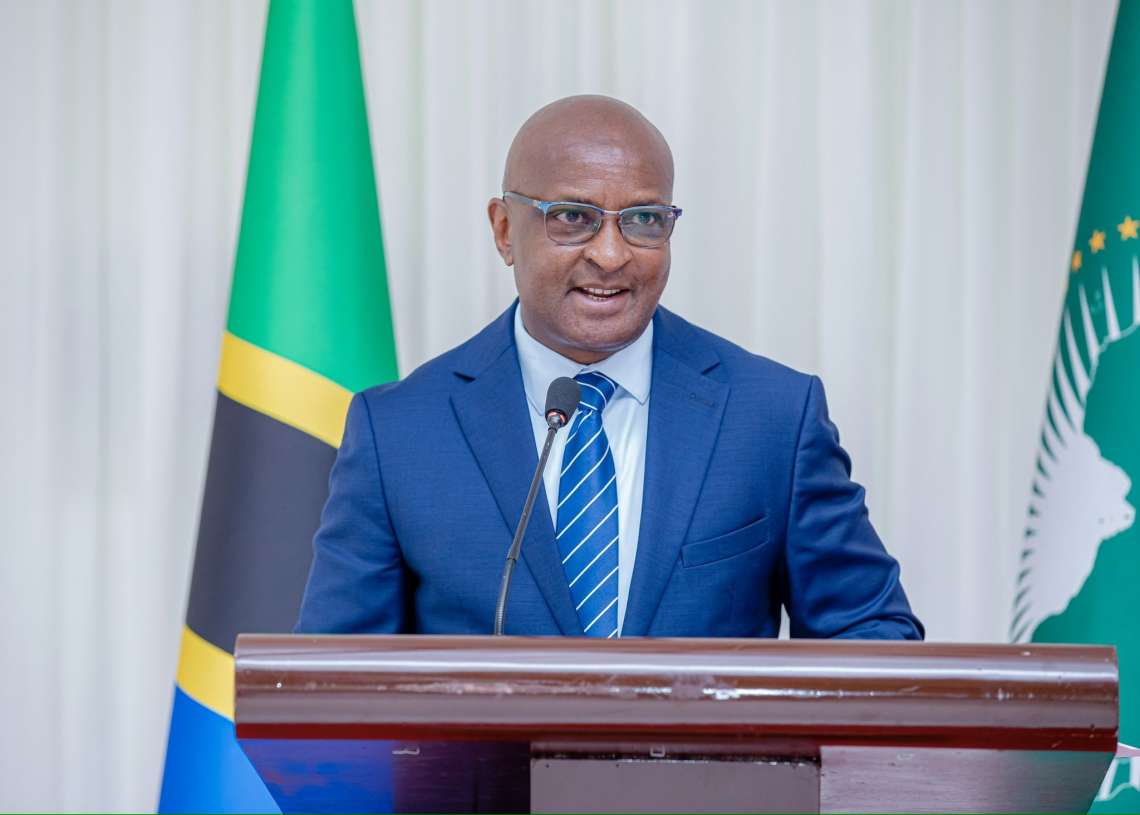
Speaking on behalf of the Commissioner for Political Affairs, Peace and Security, Ambassador Bankole Adeoye, Ms Jocelyne Nahimana, Head of the Defence and Security Governance Division, expressed the African Union Commission’s appreciation to the South African government for hosting the programme.
She highlighted the fellowship’s role in strengthening the technical knowledge and negotiation skills of African diplomats involved in multilateral disarmament and non-proliferation processes.
Nahimana also stressed the importance of equipping participants to address threats associated with disarmament and emerging technologies.
How is South Africa supporting the fellowship?
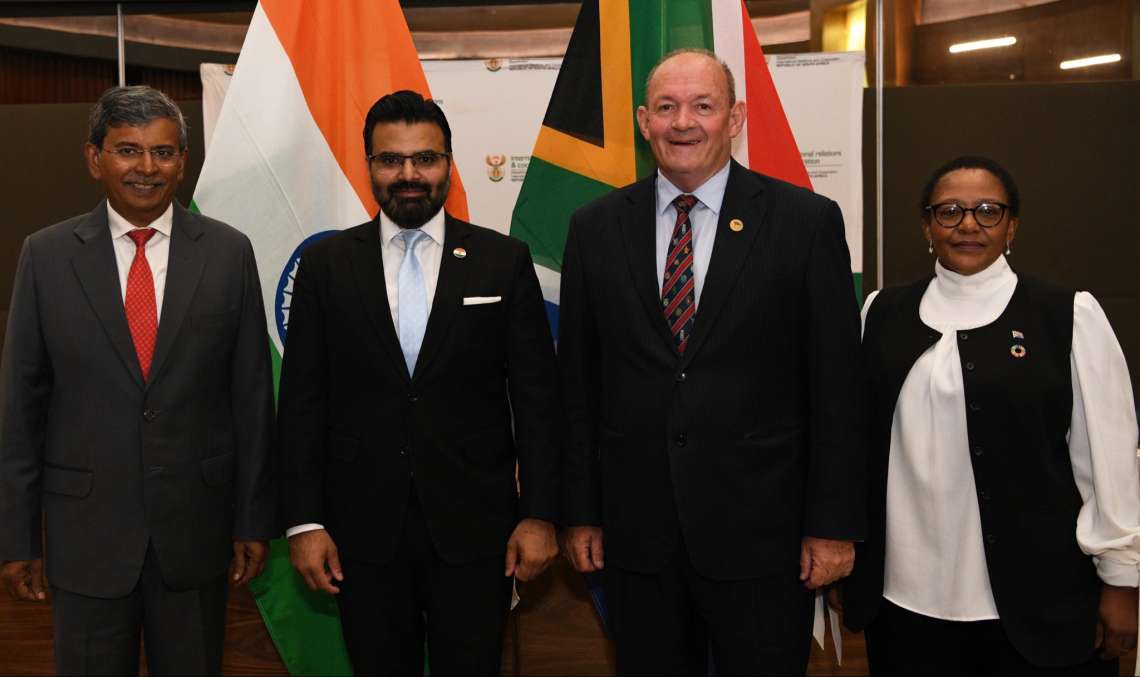
At the opening of the visit, the fellows and the African Union delegation were received by Ms Kgaugelo Mogashoa, Director of Disarmament and Non-Proliferation at South Africa’s Department of International Relations and Cooperation (DIRCO), alongside senior officials from several government institutions.
These included representatives of the South African Council for the Non-Proliferation of Weapons of Mass Destruction under the Department of Trade, Industry and Competition, the Department of Electricity and Energy, and the National Conventional Arms Control Secretariat under the Department of Defence.
Mogashoa reaffirmed South Africa’s commitment to providing participants with a meaningful experience, highlighting DIRCO’s readiness to facilitate engagements with national institutions and industries involved in implementing international disarmament and non-proliferation agreements.
The first day featured presentations by officials from key South African institutions responsible for arms control and non-proliferation.
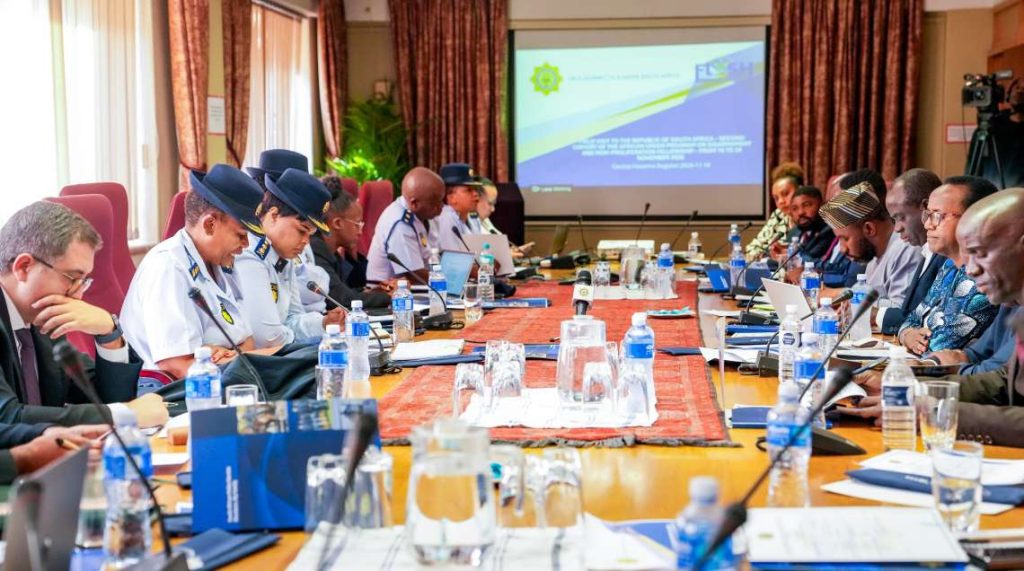
Dr Matome Mookodi, Director of Scientific Support at the South African Council for the Non-Proliferation of Weapons of Mass Destruction, delivered a presentation on the country’s non-proliferation controls and institutional framework.
Other speakers included Ms Elsie Mohale, Chief Director for Nuclear Non-Proliferation and Radiation Security at the Department of Electricity and Energy, and Mr Sipho Peter Mashaba, Deputy Director for Compliance at the National Conventional Arms Control Secretariat within the Department of Defence.
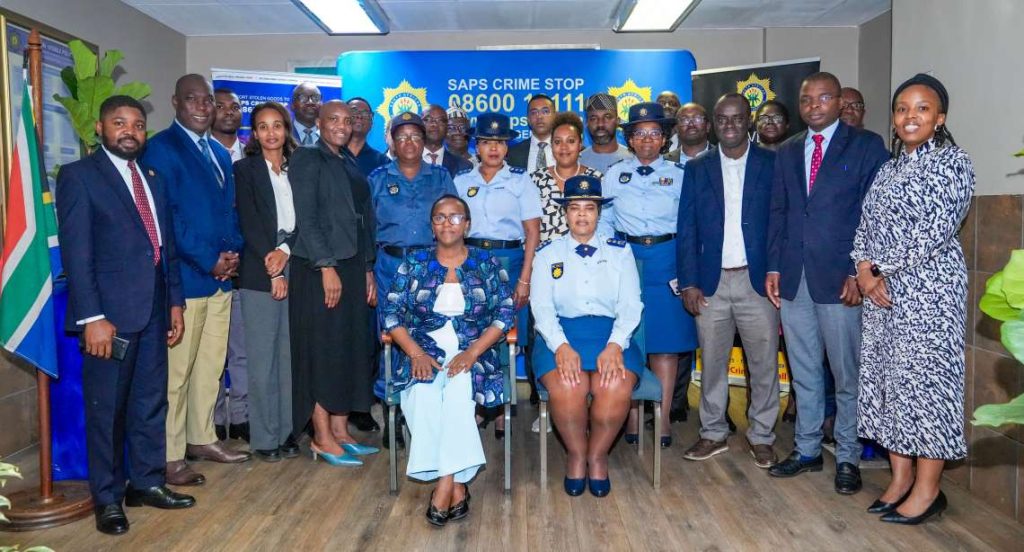
The fellows also visited the South African Police Service’s Central Firearms Registry to learn about its role in preventing and combating the proliferation of illegal firearms.
The visit covered firearm control measures, traceability, regulatory oversight, firearm amnesty processes and targeted interventions supporting Operation Silencing the Guns.
The programme is intended to deepen participants’ practical understanding of how national institutions implement disarmament and non-proliferation measures, while strengthening cooperation and knowledge-sharing among African diplomats.