
Ethiopian President Taye Atske Selassie has called for stronger multilateralism, greater African representation and reform of the UN Security Council….reports Africa Daily News Desk
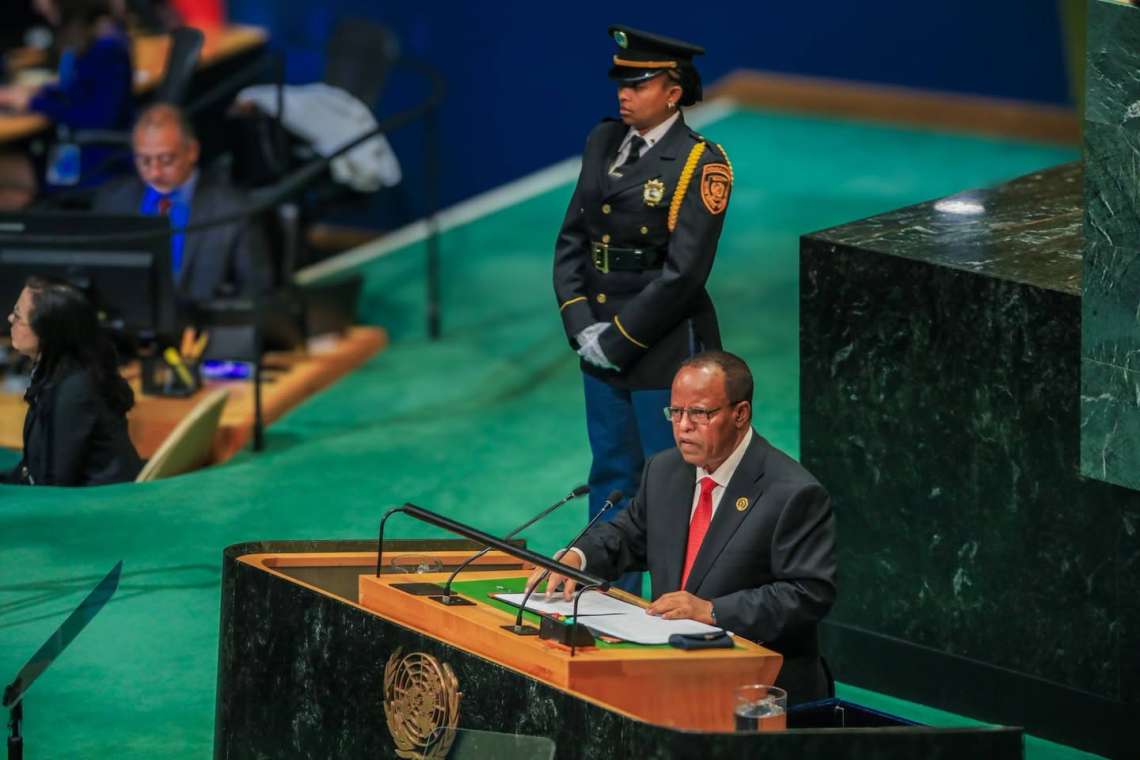
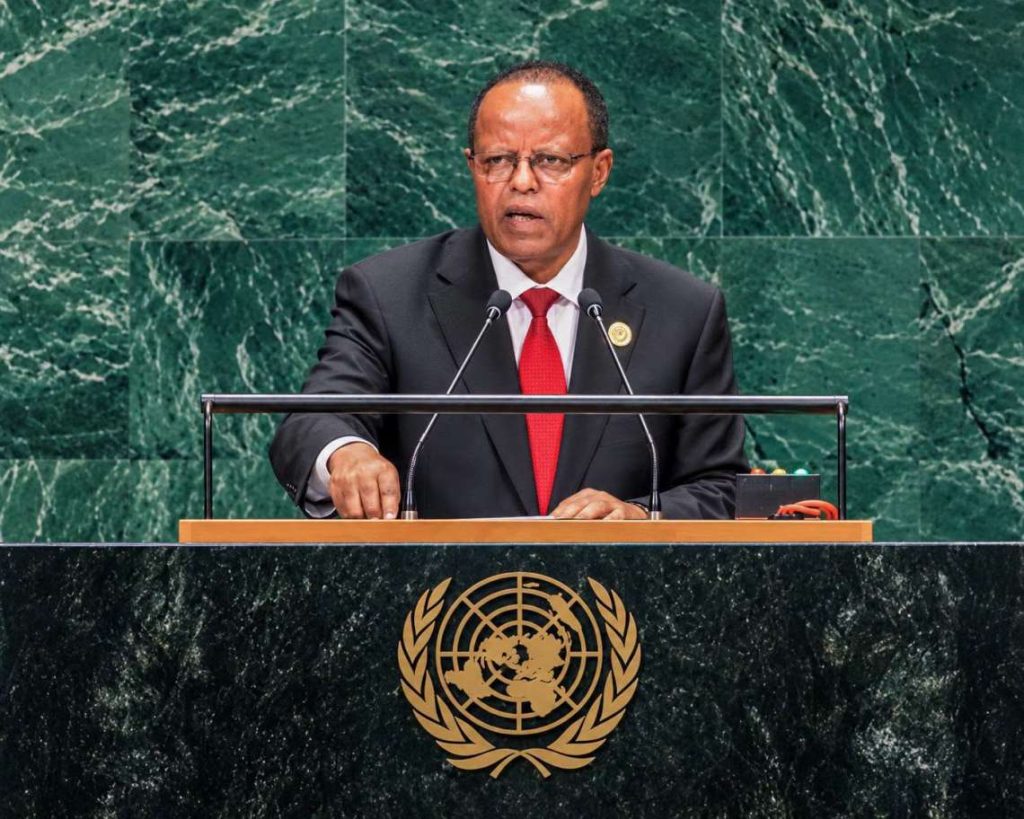
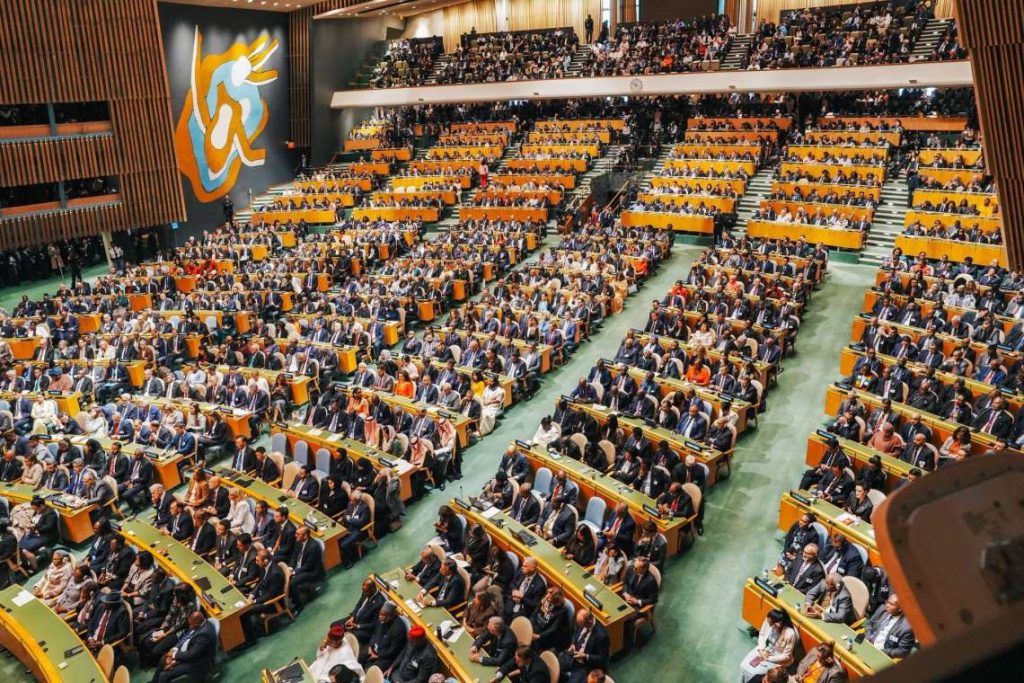
Ethiopian President Taye Atske Selassie has called for stronger multilateralism, collective security and greater African representation in global decision making while addressing the General Debate of the 81st session of the United Nations General Assembly in New York.
Speaking on Thursday, Taye said international cooperation and respect for sovereign equality were essential to preventing conflict, while identifying climate change, artificial intelligence and widening global inequalities as among the major challenges facing the international community.
On climate change, the President announced that Ethiopia will host the 32nd UN Climate Change Conference (COP32) in November 2027 and invited world leaders to participate. He said Ethiopia would seek to make the summit inclusive and focused on practical and sustainable solutions.
Taye also called for greater participation by developing countries in the global technological transformation, particularly in artificial intelligence.
He highlighted Ethiopia’s Five Million Coders programme and the planned University of Artificial Intelligence as examples of initiatives aimed at building technological capacity in Africa and ensuring that the Global South plays a greater role in shaping emerging technologies.
The Ethiopian President renewed his call for comprehensive reform of the United Nations Security Council, arguing that Africa should have greater and more equal representation in global decision making.
He also highlighted Ethiopia’s efforts to promote regional integration through infrastructure, trade and people to people ties, while reaffirming support for a Sudanese led and Sudanese owned peace process aimed at reflecting the aspirations of the Sudanese people.
Turning to Ethiopia’s domestic development, Taye pointed to progress in democracy, national dialogue, food security, environmental restoration, renewable energy and infrastructure.
He cited the country’s recent election and the first historic summit of the National Dialogue Commission as part of its efforts towards political dialogue and national reconciliation.
The President also highlighted Ethiopia’s transformation from a wheat importing country into one of Africa’s major wheat producers, as well as the Green Legacy Initiative, under which the government says 56 billion trees have been planted since 2019.
On energy, he cited Ethiopia’s target of generating 13,000 MW by 2030 and described the Grand Ethiopian Renaissance Dam as a Pan African clean energy project.
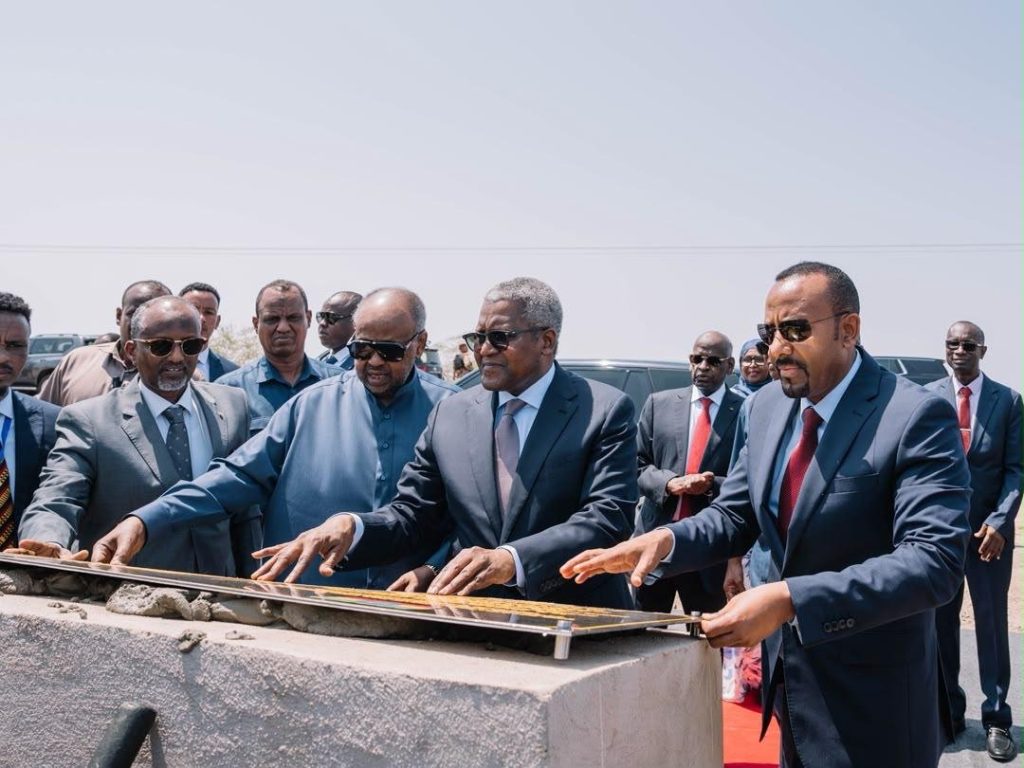
He also highlighted the construction of a new international airport expected to handle up to 110 million passengers and about four million tonnes of cargo annually, saying the project would support Ethiopia’s wider economic transformation and the African Continental Free Trade Area.
A major focus of the address was Ethiopia’s long standing pursuit of reliable access to the sea.
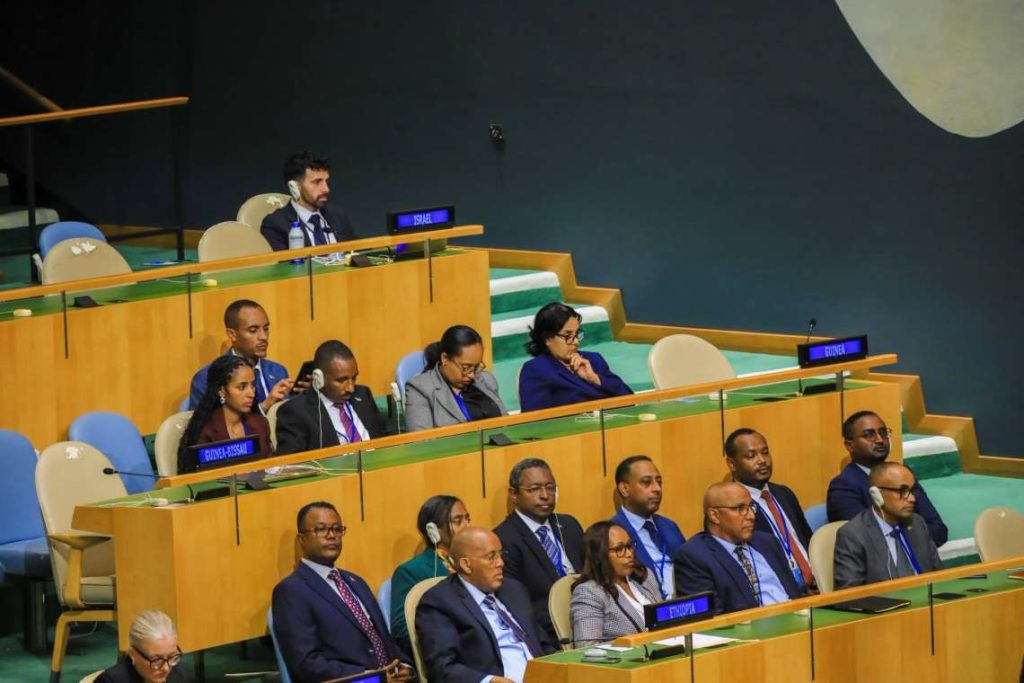
Taye said the country’s economic transformation could not be sustained without dependable maritime access and stressed that Addis Ababa was pursuing diplomatic avenues to secure access to and from the sea.
“Despite these tremendous achievements, Mr. President, we have come to recognize that our efforts to build a strong economy cannot generate a sustained development without reliable and dependable access to the sea,” he said.
He said the issue should be pursued in a manner that serves the common interests and development of countries in the region.
The President concluded by calling for stronger international and regional cooperation in renewable energy, connectivity, food security, manufacturing and urban development.
The 81st UN General Assembly’s General Debate is being held from September 22 to 28 under the theme “Restoring Trust, Managing Transformation: A United Nations That Delivers for All.”