
Health officials warn of a high risk of regional spread as suspected cases and deaths rise in eastern Democratic Republic of the Congo….reports Africa Daily News desk
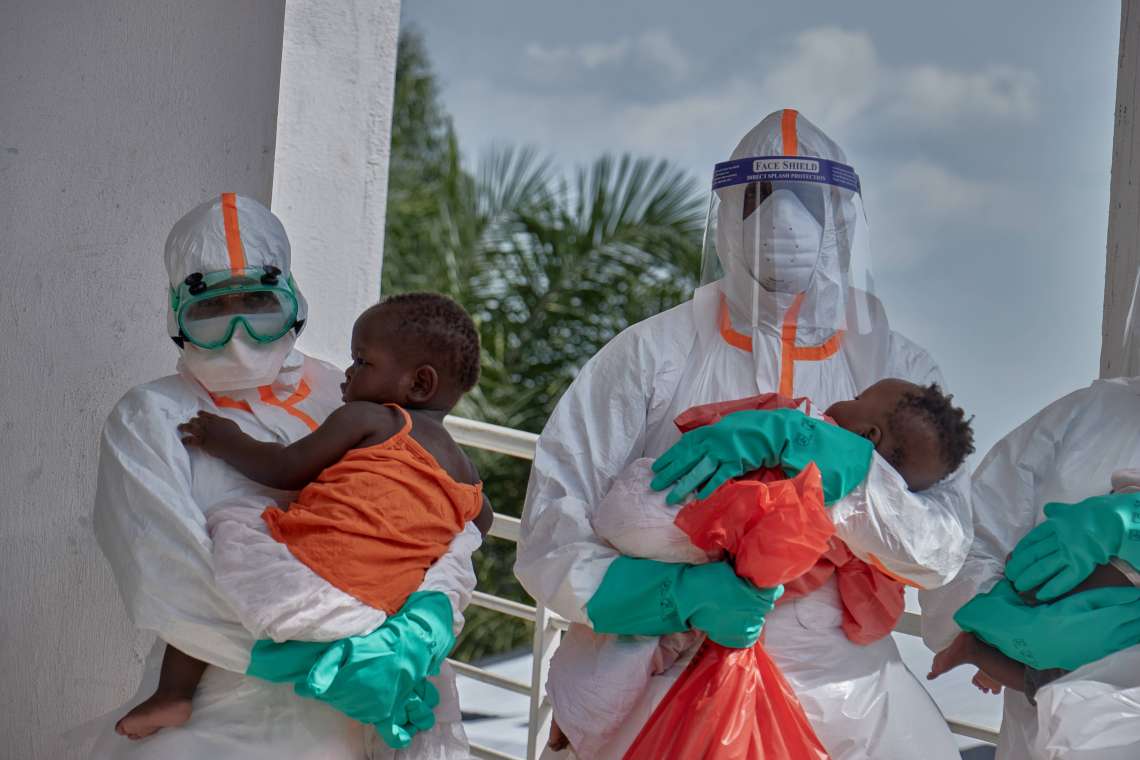
The Africa Centres for Disease Control and Prevention has intensified emergency response efforts following the confirmation of an outbreak of Ebola Virus Disease in Ituri province in the eastern Democratic Republic of the Congo.
Africa CDC said it is working closely with Congolese health authorities and international partners to support a rapid and coordinated response aimed at containing the outbreak and preventing further regional spread.
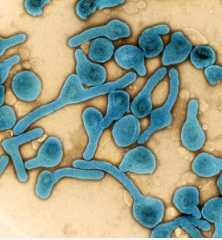
Following consultations with the DRC Ministry of Health and the National Public Health Institute, preliminary laboratory tests conducted by Institut National de Recherche Biomédicale detected Ebola virus in 13 out of 20 samples analysed.
Health officials said the initial results suggest the outbreak may involve a non Zaire ebolavirus strain, with genomic sequencing currently underway to identify the exact variant. Results are expected within 24 hours with technical support from Africa CDC.
According to the latest figures, around 246 suspected cases and 65 deaths have been reported, mainly in the Mongwalu and Rwampara health zones. Four deaths have been confirmed among laboratory verified Ebola cases.
Authorities have also reported suspected cases in Bunia, although laboratory confirmation is still pending.
Africa CDC warned that the risk of wider transmission remains high due to several factors, including the urban setting of Bunia and Rwampara, heavy cross border movement, mining related mobility in Mongwalu and insecurity in affected areas.
The agency also cited gaps in contact tracing and infection prevention measures, as well as the close proximity of the outbreak zones to Uganda and South Sudan.
In response, Africa CDC convened an urgent high level coordination meeting on Thursday involving health authorities from the DRC, Uganda and South Sudan alongside major international partners including the World Health Organization, UNICEF, World Bank, Médecins Sans Frontières, vaccine manufacturers and global health agencies.
The meeting focused on strengthening surveillance, laboratory support, cross border coordination, infection prevention and control, public communication, safe burials and emergency resource mobilisation.
“Africa CDC stands in solidarity with the Government and people of the Democratic Republic of the Congo as they respond to this outbreak,” said Jean Kaseya, Director General of Africa CDC.
“Given the high population movement between affected areas and neighbouring countries, rapid regional coordination is essential,” he added.
Africa CDC said it is preparing additional support measures across key response areas including emergency coordination systems, digital disease surveillance, laboratory management and community engagement.
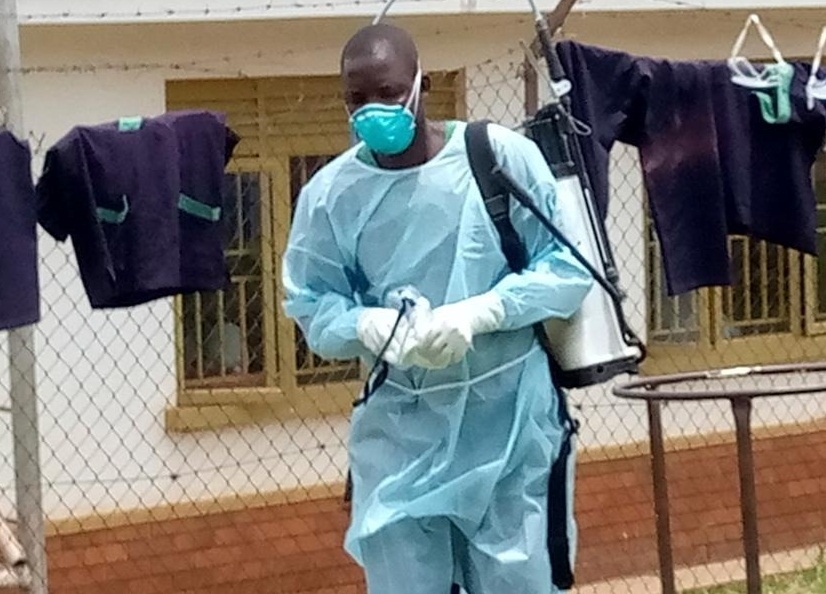
The agency also said it would work with partners to assess the availability and suitability of vaccines and treatments once sequencing confirms the exact Ebola strain involved.
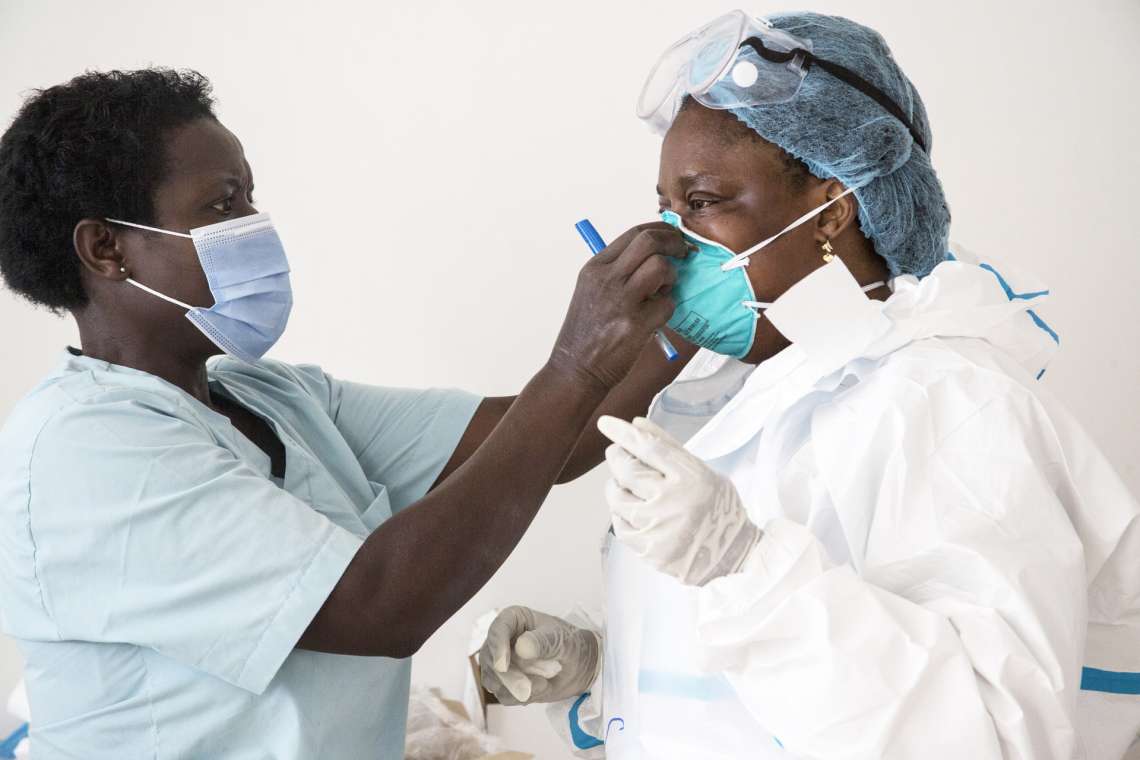
Health officials urged communities in affected and high risk areas to follow guidance from national health authorities, report symptoms immediately and avoid direct contact with suspected Ebola patients.
Meanwhile, researchers in China have identified a key mutation in the Ebola virus that may have contributed to increased transmission during the major DRC outbreak between 2018 and 2020.
The study, published in the journal Cell, analysed 480 Ebola virus genomes and identified a mutation known as GP V75A, which researchers believe enhanced the virus’s ability to infect host cells.
Scientists from Sun Yat-sen University said the mutation may also reduce the effectiveness of some therapeutic antibodies and antiviral treatments, raising concerns about potential drug resistance.
Professor Qian Jun said the findings underline the importance of continuous genomic surveillance during outbreaks to monitor viral evolution and guide future vaccine and treatment strategies.