
African leaders and global officials called for reforms to the international financial system and greater support for the continent’s development….reports Africa Newsdesk
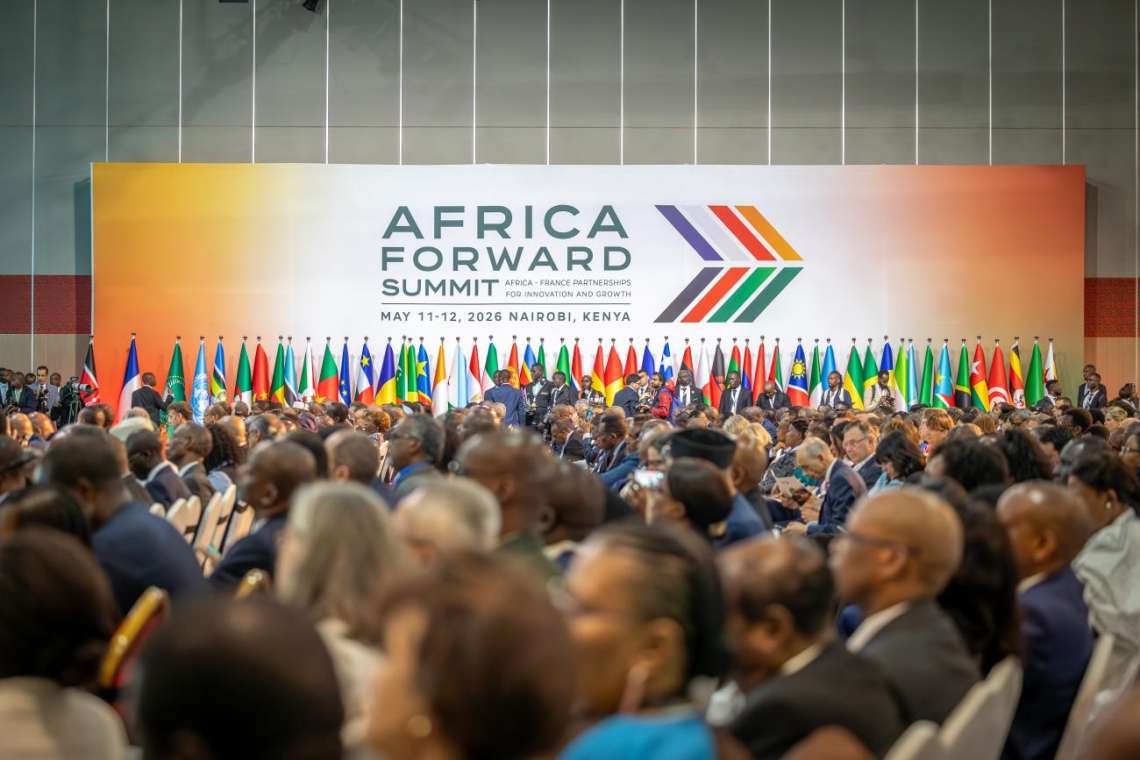
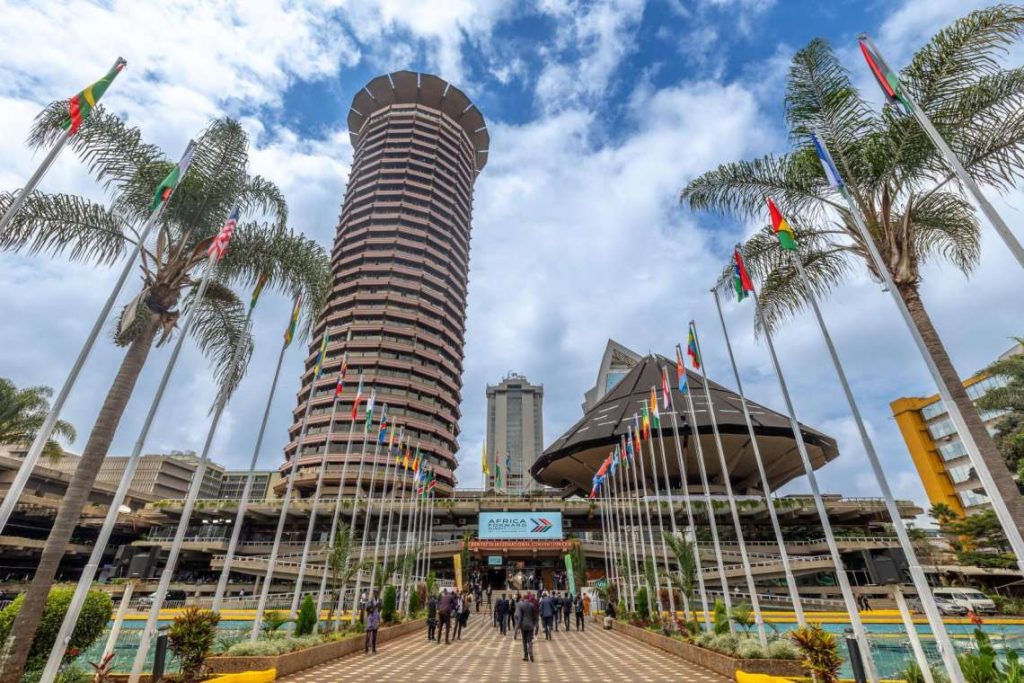
African leaders and global policymakers have called for sweeping reforms to the international financial system and greater investment in local pharmaceutical production as the inaugural Africa Forward Summit concluded in Nairobi.
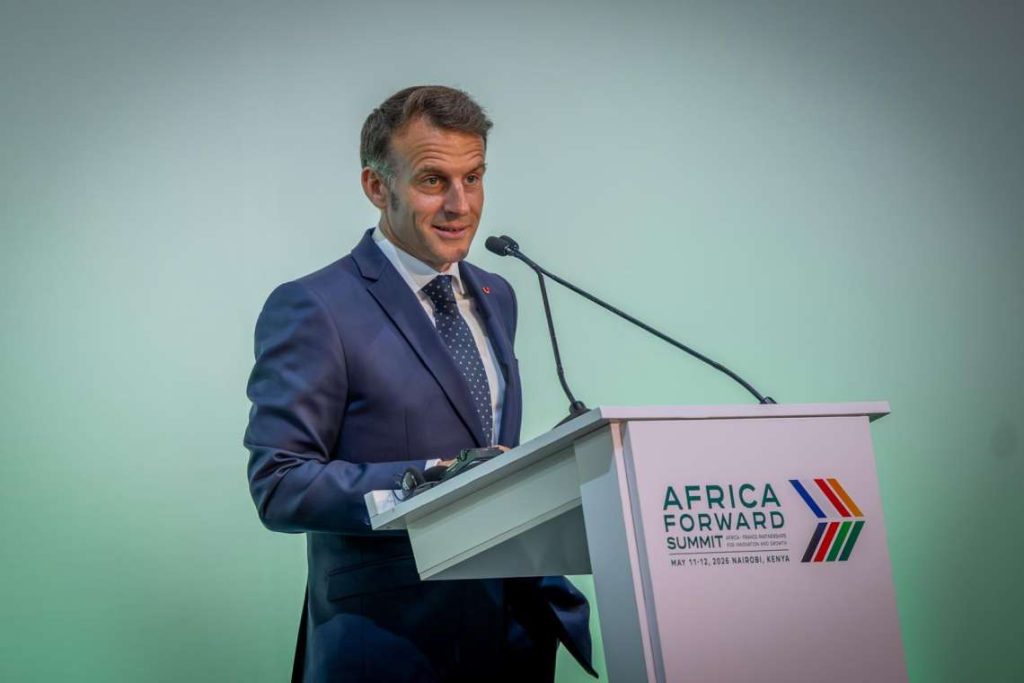
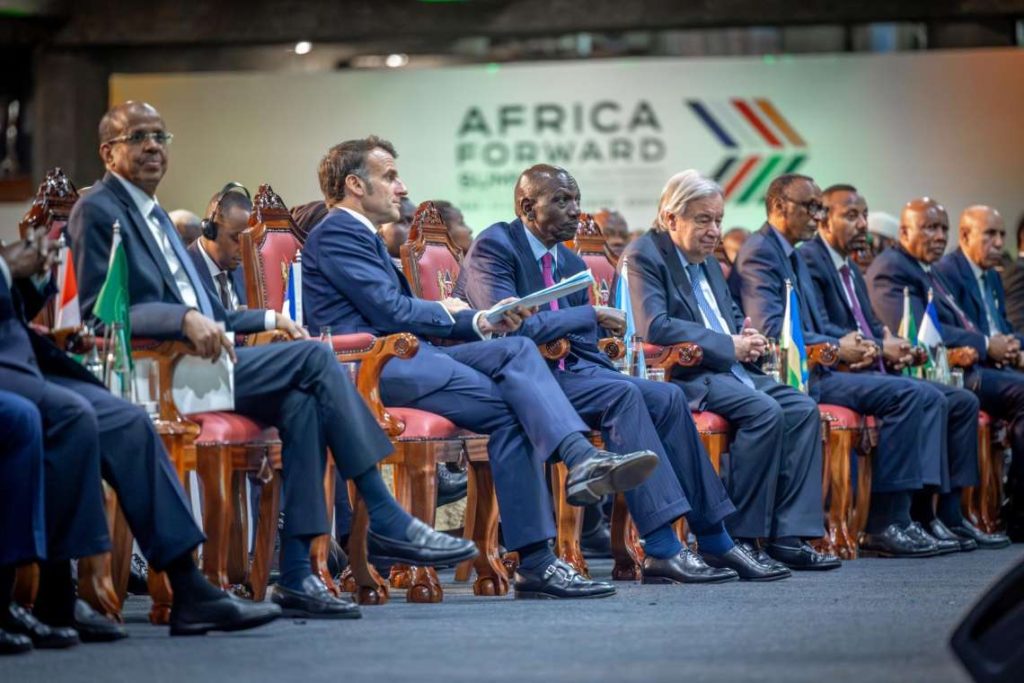
The two day summit, co chaired by Kenyan President William Ruto and French President Emmanuel Macron, brought together heads of state, senior government officials, international organisations, investors and business leaders from more than 20 countries.
More than 2,500 participants attended the gathering, which focused on Africa’s economic transformation, financing challenges and industrial development.
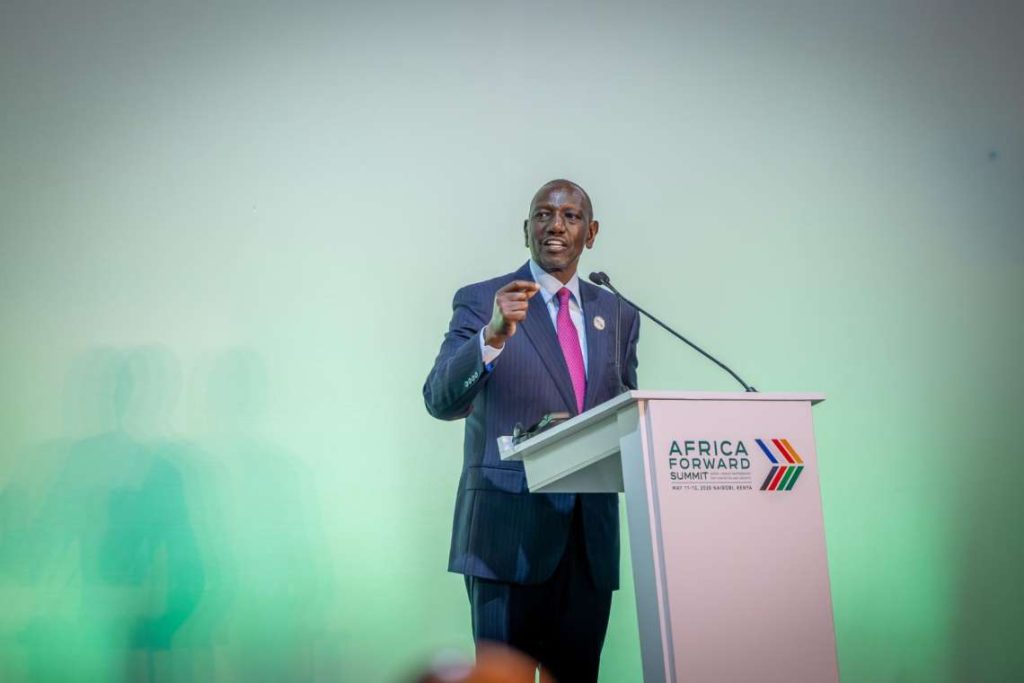
Opening the summit, Ruto described the current international financial system as “structurally unequal”, arguing that African nations continue to face unfair borrowing costs and limited access to concessional financing.
He said distorted perceptions of risk were preventing many African economies from accessing affordable capital despite strong economic potential.
“The times before us demand stronger cooperation, renewed multilateralism, and partnerships grounded not in hierarchy, but in sovereign equality, mutual respect, and shared responsibility,” Ruto said.
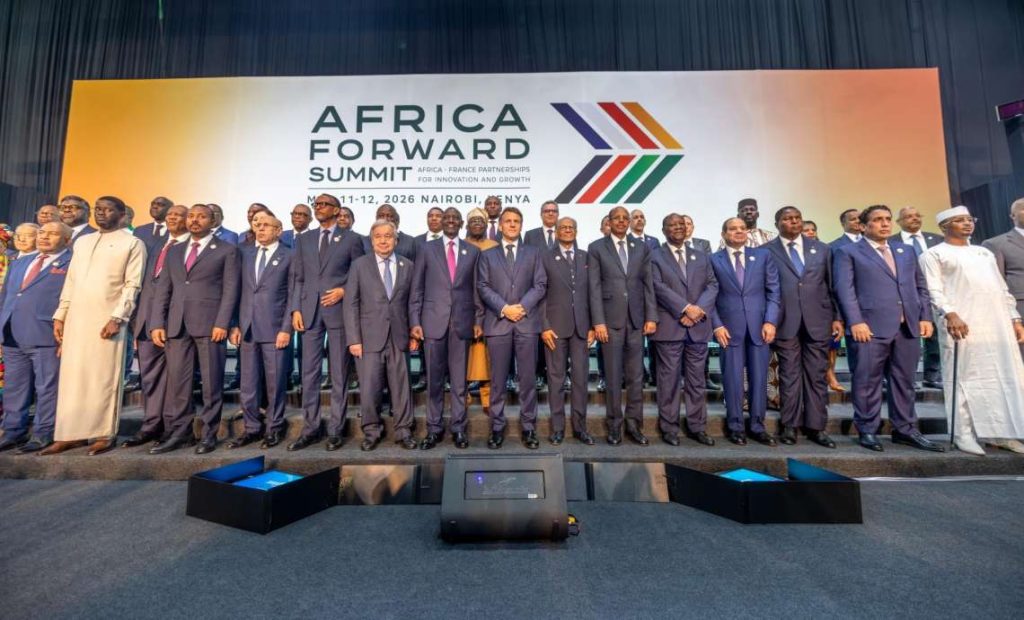
Macron also criticised the global financial structure, describing the imbalance facing Africa as both unjust and unsustainable.
He said the existing financial system remained one of the biggest obstacles to the continent’s infrastructure expansion and industrial growth.
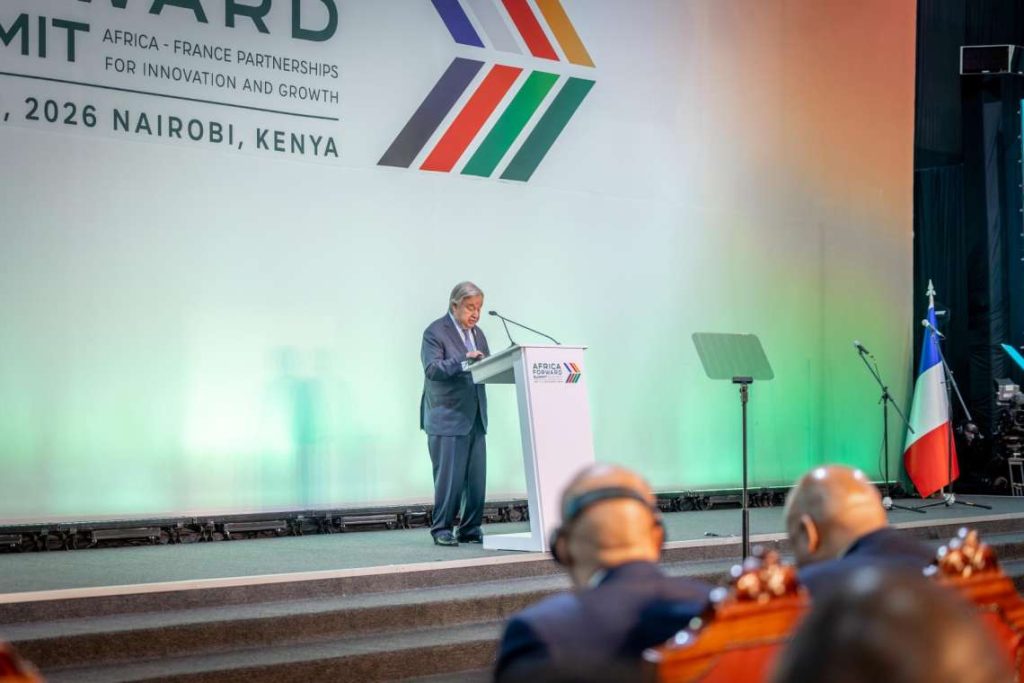
United Nations Secretary General António Guterres said global financial institutions were failing to adequately support Africa’s development ambitions.
He called for reforms that would allow African countries to access cheaper financing, manage debt more effectively and gain stronger representation in international institutions.
Guterres also urged African governments to strengthen domestic resource mobilisation in order to reduce dependence on what he described as an outdated and unfair global financial system.
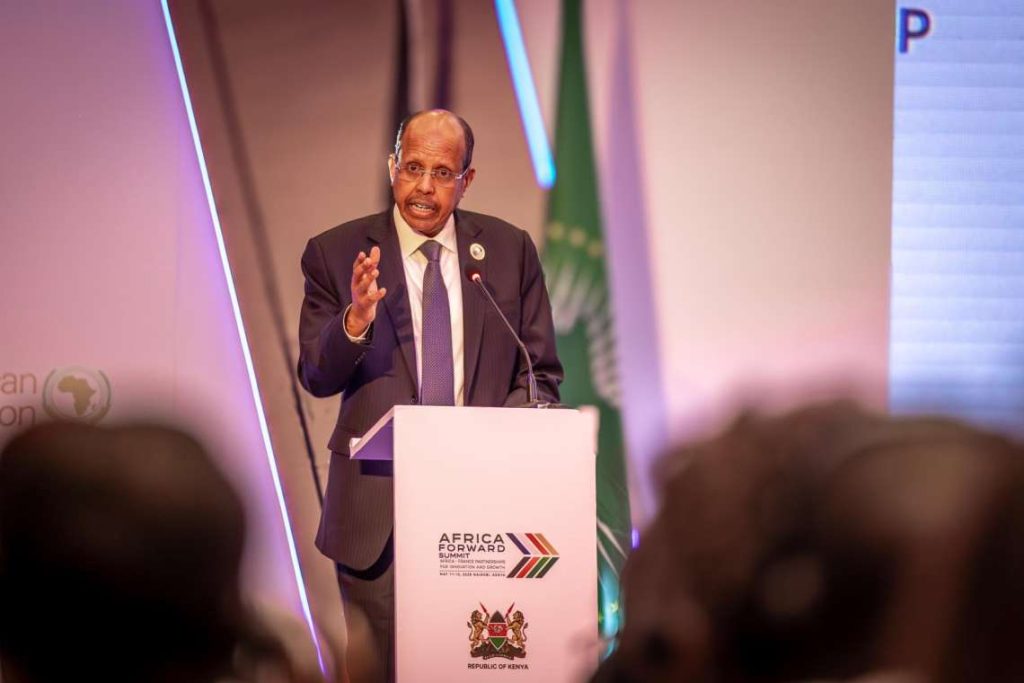
Mahmoud Ali Youssouf, chairperson of the African Union Commission, said Africa possessed significant domestic financial resources, including pension and insurance funds, which remained largely underused.
He added that the continent was working to establish African led financial institutions to reduce dependence on foreign lenders and external credit systems.
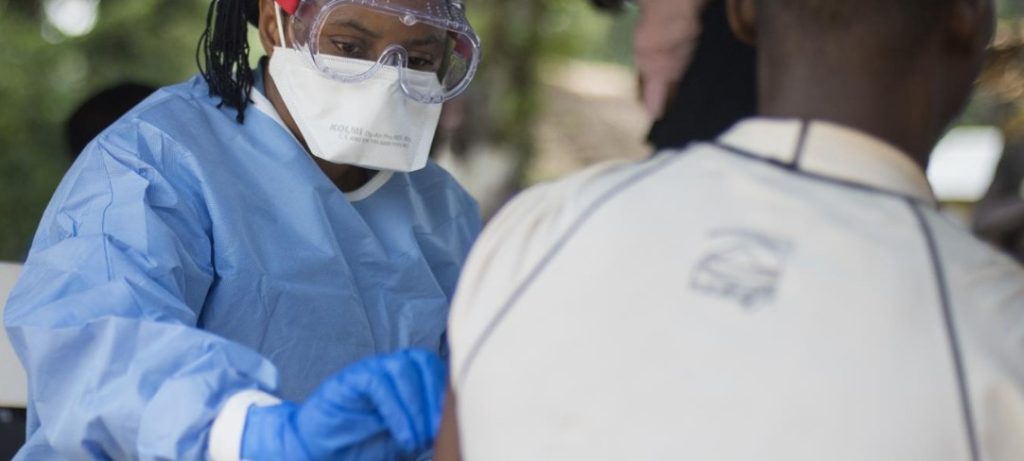
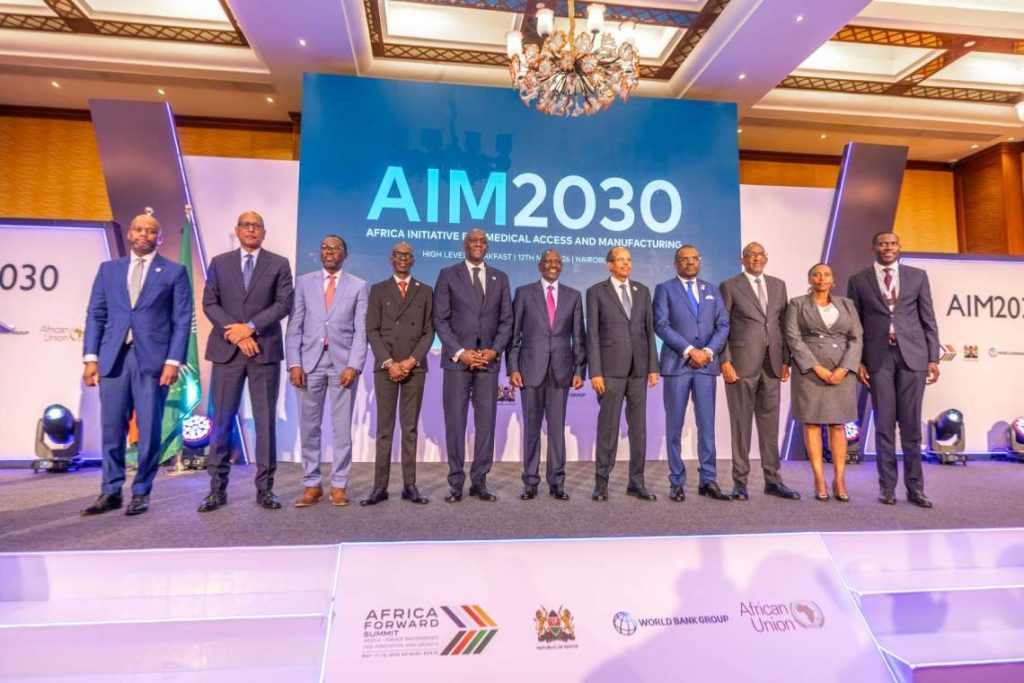
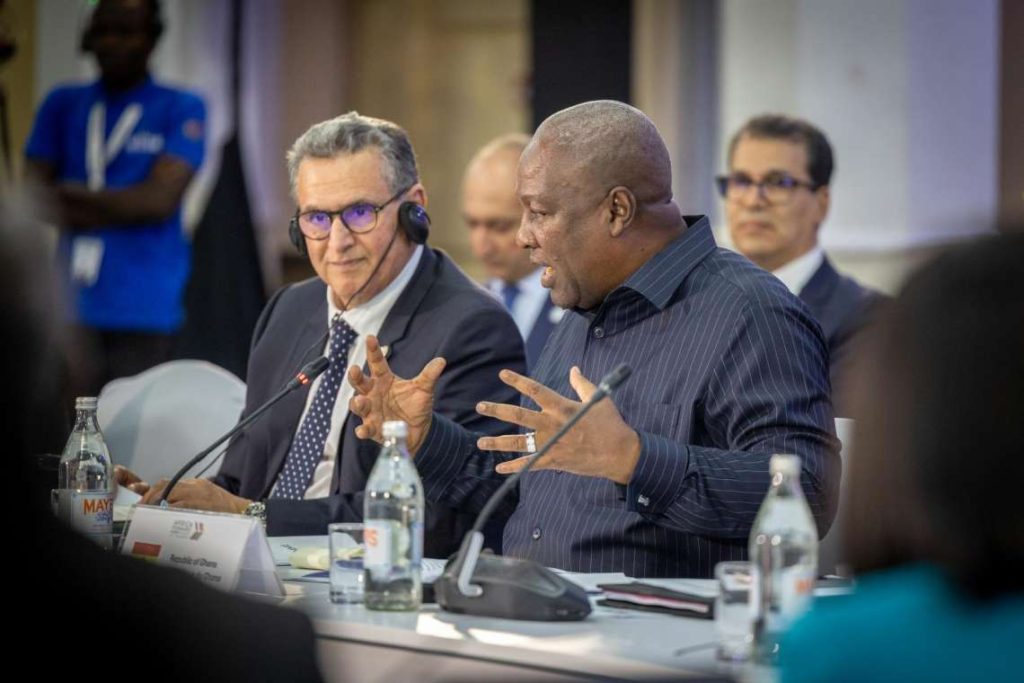
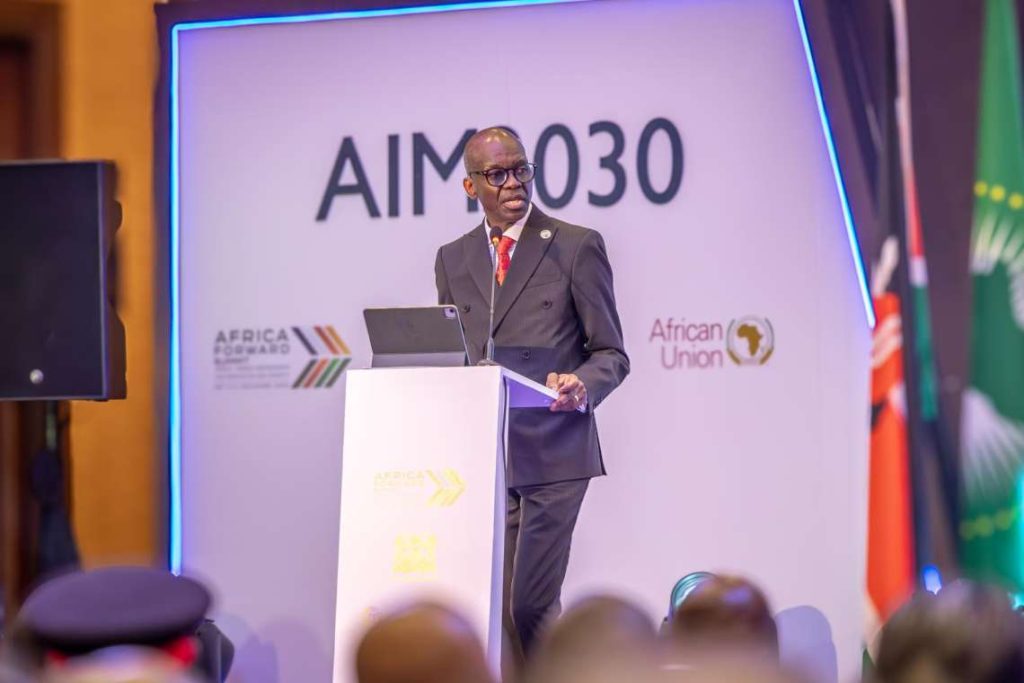
On the sidelines of the summit, African leaders also pledged to accelerate domestic manufacturing of medicines and vaccines through the newly launched Africa Initiative for Medical Access and Manufacturing, known as AIM2030.
Speaking during a high level meeting on the initiative, Ruto said Africa must address infrastructure and technical capacity gaps in order to achieve self sufficiency in vaccines and essential medicines.
He said strengthening local production would be critical for improving the continent’s ability to respond to major health crises and deadly diseases.
Youssouf said building a strong pharmaceutical manufacturing sector in Africa would improve health resilience, support human rights and strengthen long term development outcomes.
He also called for innovative financing models to support local production of medicines and create stronger regional supply chains.
World Health Organisation regional director for Africa Mohamed Yakub Janabi said the COVID 19 pandemic exposed weaknesses in Africa’s health systems and highlighted the need for stronger local manufacturing capacity.
According to Janabi, AIM2030 aims to double local manufacturing of health products across the continent while improving access to medicines and building more resilient healthcare systems in line with Africa’s Agenda 2063 development blueprint.
Supported by the World Bank and the African Union, the initiative seeks to strengthen indigenous pharmaceutical production amid continued disruptions to global supply chains.
The summit concluded with renewed calls for fairer global financing systems, stronger regional cooperation and greater economic self reliance across Africa.