
The Democratic Republic of the Congo has recorded 635 confirmed Ebola cases as health officials continue efforts to contain the outbreak…reports Africa Daily News Desk
The number of confirmed Ebola cases in the Democratic Republic of the Congo (DRC) has risen to 635, according to the country’s Health Minister Roger Kamba, as authorities step up efforts to contain the outbreak and improve treatment outcomes.
In a statement posted on social media platform X on Wednesday, Kamba said the outbreak, caused by the Bundibugyo strain of the Ebola virus, remains a major public health challenge. However, he noted that response measures were showing encouraging signs, with more patients recovering and surveillance efforts expanding.
According to the minister, the proportion of identified contacts being actively monitored increased to 61.1 per cent as of June 9, up from 56.4 per cent a day earlier.
Health authorities are continuing to track potential cases and monitor affected areas as part of efforts to prevent further transmission.
“We are monitoring every zone, every alert and every signal,” Kamba said, stressing that vigilance remains critical as the outbreak evolves.
The minister also announced eight new recoveries, including seven patients in Nyankunde and one in Mongbwalu, both located in the eastern province of Ituri.
The latest recoveries bring the total number of patients who have recovered from the disease to 30.
“Each recovery sends a strong message: come for treatment, as early care saves lives,” Kamba said.
As part of the response effort, the government has deployed 490 tonnes of medicines, strengthened laboratory capacity and mobilised emergency response teams across the affected provinces of Ituri, North Kivu and South Kivu.
The DRC officially declared the latest Ebola outbreak on May 15. Two days later, the World Health Organization classified the outbreak as a Public Health Emergency of International Concern, triggering a broader international response.
Despite progress in surveillance and treatment, health agencies continue to warn of significant obstacles hampering containment efforts.
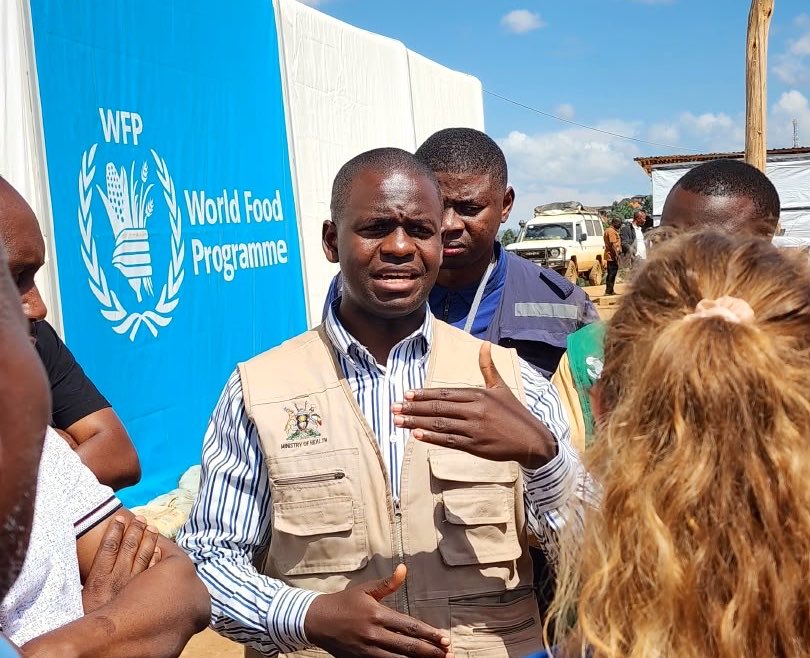
Earlier this week, the Africa Centres for Disease Control and Prevention (Africa CDC) said response operations were facing major logistical and operational constraints.
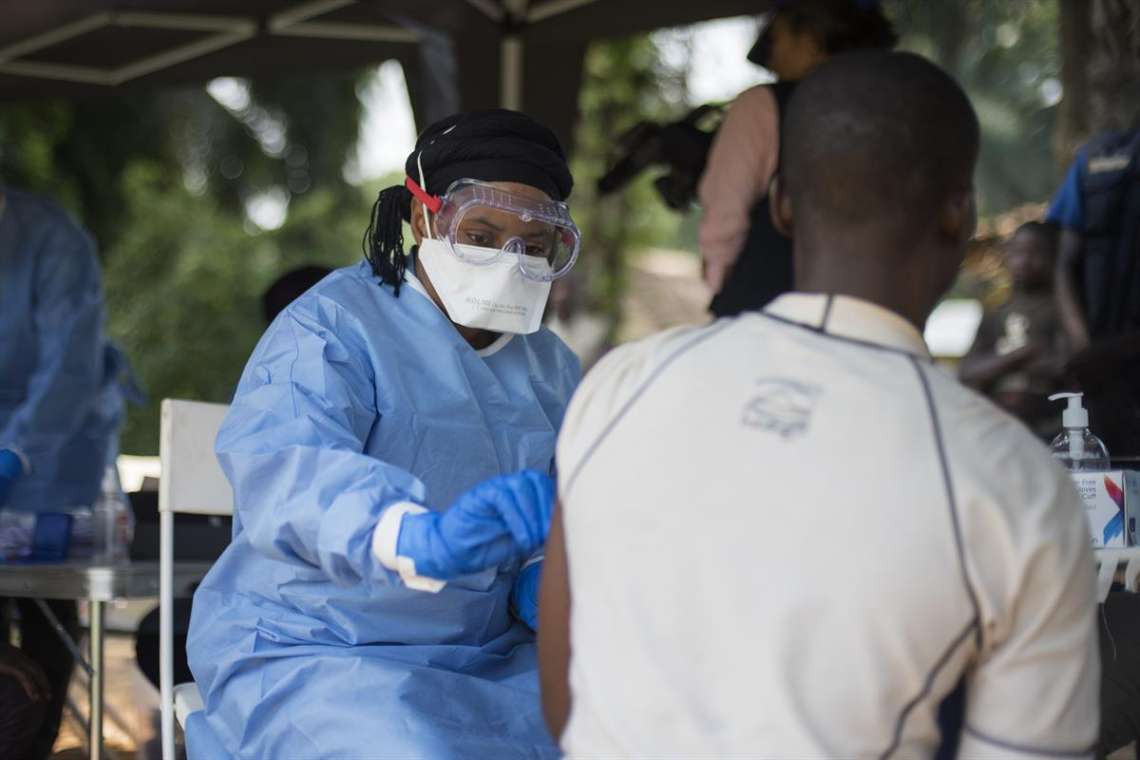
The agency reported that many healthcare facilities in affected areas lack basic infrastructure, including access to clean water, incinerators, personal protective equipment and decontamination supplies.
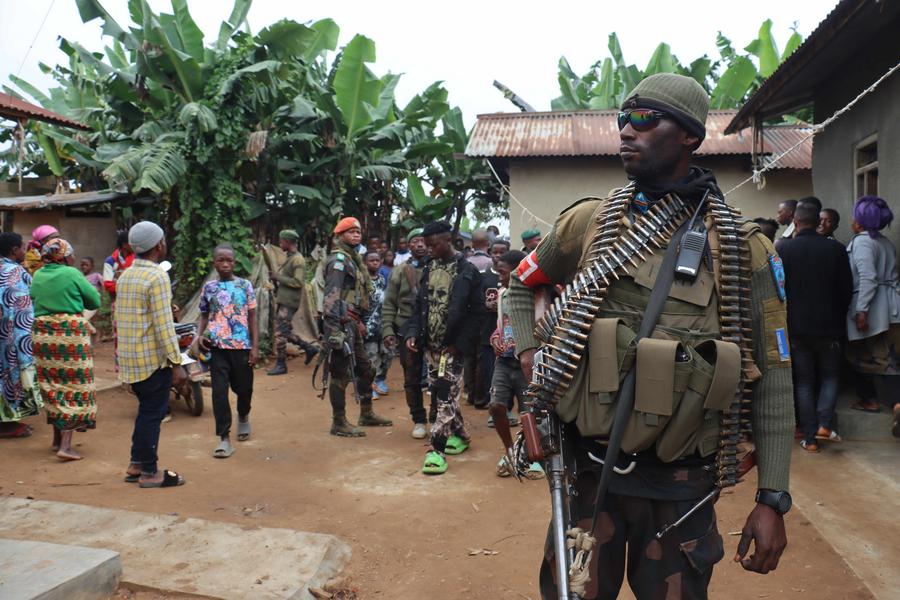
Africa CDC also highlighted security concerns, shortages of ambulances, staffing pressures and poor transport infrastructure as factors slowing emergency response efforts.
According to the agency, some healthcare workers remain unpaid or lack incentives, while ongoing insecurity in certain regions continues to hinder access to communities.
Officials also warned that low levels of public trust remain a serious challenge and could undermine disease control efforts.
In response, Africa CDC has identified several urgent priorities, including strengthening community engagement, improving risk communication, deploying rapid response teams to high-risk areas, enhancing infection prevention measures and expanding surveillance and contact tracing programmes.
Health authorities continue to urge residents to report symptoms promptly and seek medical treatment early as efforts to contain the outbreak intensify.