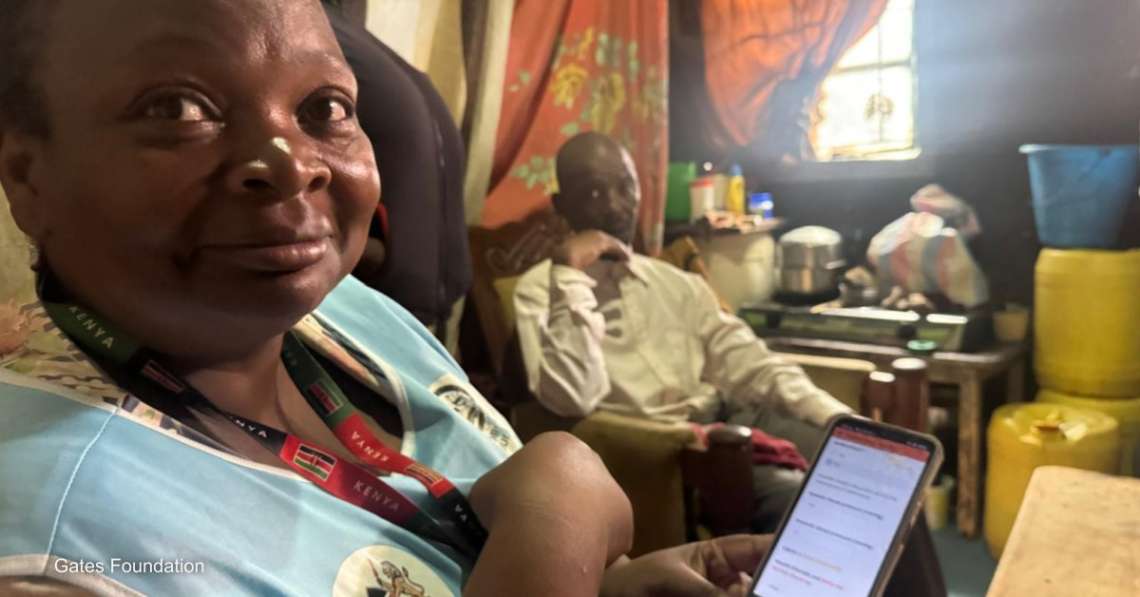

Bill Gates has announced a major push to deploy artificial intelligence in African health clinics, with tools designed to help overstretched nurses and doctors improve patient care…reports Asian Lite News
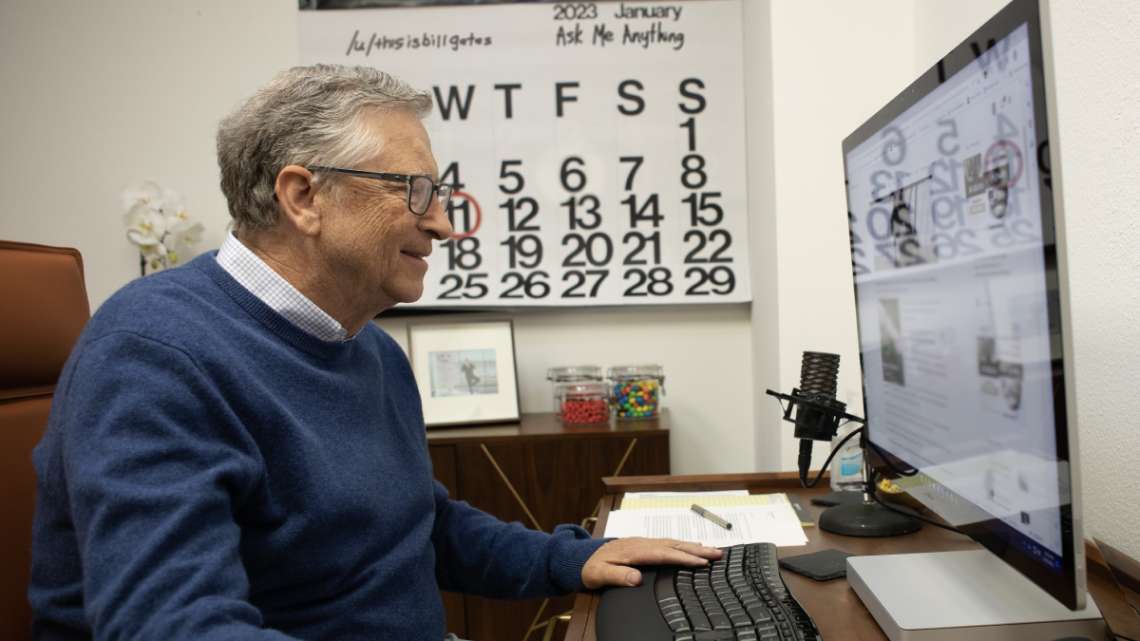
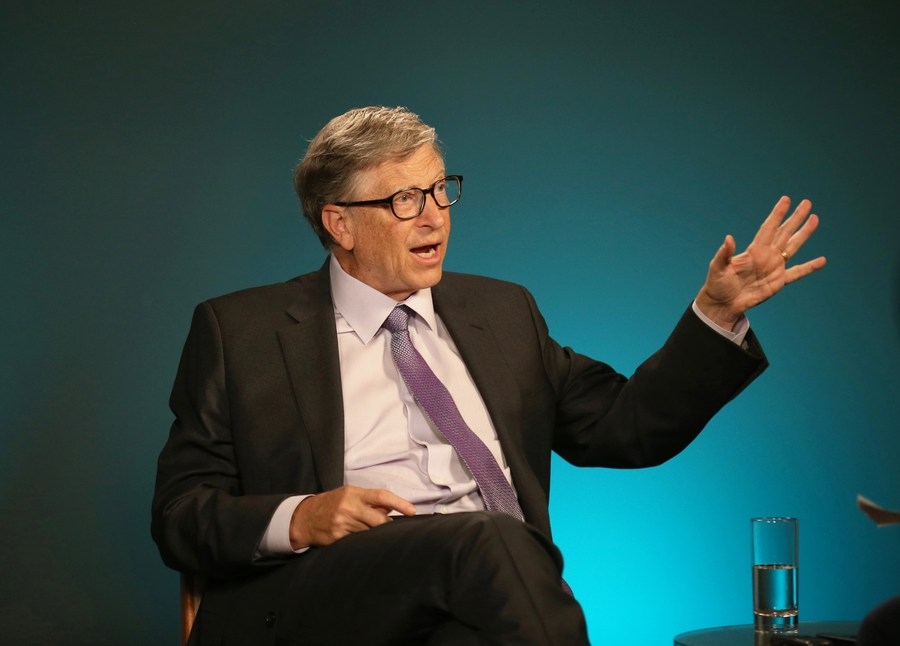
Bill Gates has unveiled a new push to bring artificial intelligence into frontline health clinics across Africa, arguing that the technology could help overstretched doctors and nurses deliver better care in countries struggling with staff shortages and heavy disease burdens.
The Microsoft co-founder said the Gates Foundation is working with partners including OpenAI to deploy AI tools in countries such as Rwanda and South Africa, with the aim of supporting health workers who often face long queues, limited resources and a lack of specialist backup.
The project forms part of a wider $50 million commitment by OpenAI to support global health initiatives backed by the Gates Foundation. The funding is intended to help develop and roll out AI systems that can assist with tasks such as summarising patient histories, providing clinical guidance and helping staff make faster, more informed decisions.
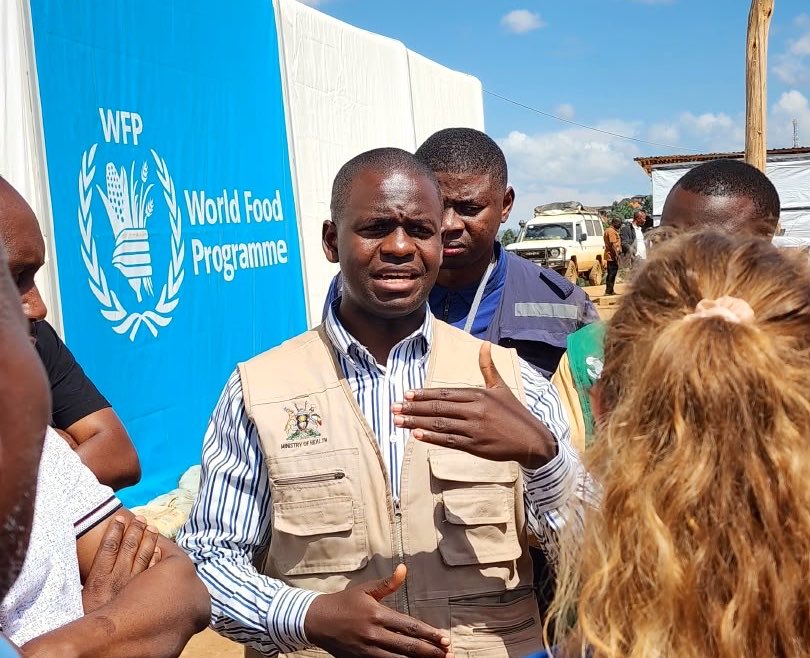
Gates said AI could be particularly valuable in low-income settings, where a single nurse or doctor may be responsible for hundreds of patients and where access to specialist knowledge is limited. He argued that the technology could help bridge that gap by making medical expertise more widely available.
“We’ve got to figure out ways that we use this incredible technology to improve people’s lives,” Gates said.
One of the main tools being tested is an AI system that can produce detailed clinical summaries based on patient records and symptoms. Health workers in pilot clinics have been using the software to generate notes, organise test results and highlight potential risks that might otherwise be missed in busy environments.
The Gates Foundation says the goal is not to replace doctors or nurses but to support them, particularly in places where staffing levels are low and workloads are high. By automating routine paperwork and offering quick access to medical information, the foundation believes clinicians will have more time to focus on patients.
OpenAI chief executive Sam Altman said the partnership reflects a broader effort to ensure that powerful new technologies are used to address real-world problems rather than just commercial ones. He said healthcare was one of the areas where artificial intelligence could have the greatest impact, especially in parts of the world that have historically been left behind by technological change.

The initiative is also aimed at improving the quality and consistency of care. In many low-income countries, patients may see different clinicians on different visits, with little continuity of records. AI-generated summaries could help ensure that key details are not lost and that treatment decisions are based on a fuller picture of a patient’s history.
Gates acknowledged that there are risks involved in using artificial intelligence in healthcare, particularly around accuracy, bias and data privacy. He said any tools used in clinics would need to be carefully tested and monitored to make sure they are safe and reliable.
He also stressed that the systems being developed would have to work in environments with limited internet access, power cuts and older computer equipment, which are common in many parts of Africa.
The pilot projects in Rwanda and South Africa are being closely watched by global health experts, who see them as a test of whether AI can deliver practical benefits outside wealthy countries with advanced digital infrastructure. If successful, the model could be expanded to other parts of Africa and beyond.
The Gates Foundation has long focused on improving health outcomes in low-income countries, particularly in areas such as infectious disease, maternal care and child health. The move into artificial intelligence reflects a belief that digital tools can help stretch scarce resources further and make health systems more efficient.
Supporters of the project say AI could help tackle some of the biggest challenges facing African healthcare, from a shortage of trained staff to poor record-keeping and limited access to up-to-date medical knowledge.
Critics, however, have warned that technology is not a substitute for investment in people and infrastructure, and that poorly designed systems could make inequalities worse if they do not work well for all patients.
Gates said the foundation would continue to work with governments, health workers and technology partners to make sure the tools are designed around the needs of clinics and patients rather than the other way round.
For now, the focus is on learning from the early pilots and refining the technology before any wider rollout. But Gates made clear that he sees artificial intelligence as a central part of the future of global health, particularly in regions where every extra minute of a doctor’s time and every better-informed decision can make a critical difference.