
Tanzanian President Samia Suluhu Hassan says stronger women’s leadership is vital to reducing preventable maternal and child deaths across Africa…reports Africa Daily News Desk
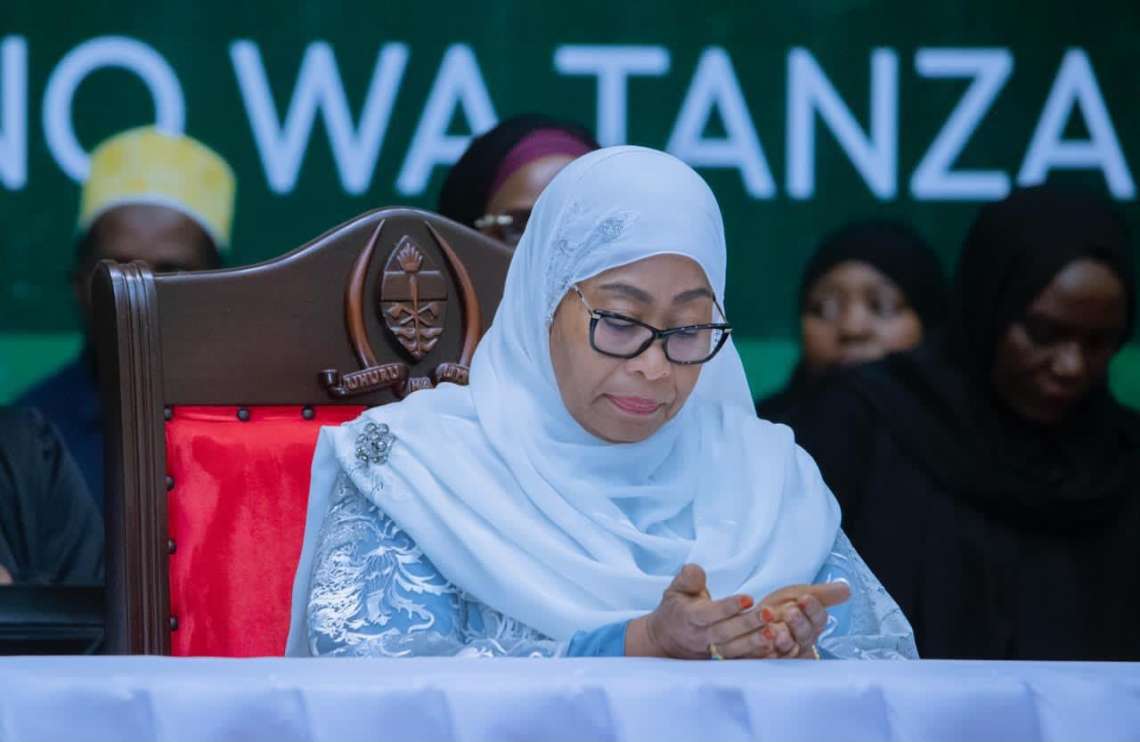
Women must play a stronger leadership role in Africa’s efforts to improve maternal and child health and prevent avoidable deaths, Tanzanian President Samia Suluhu Hassan has said.
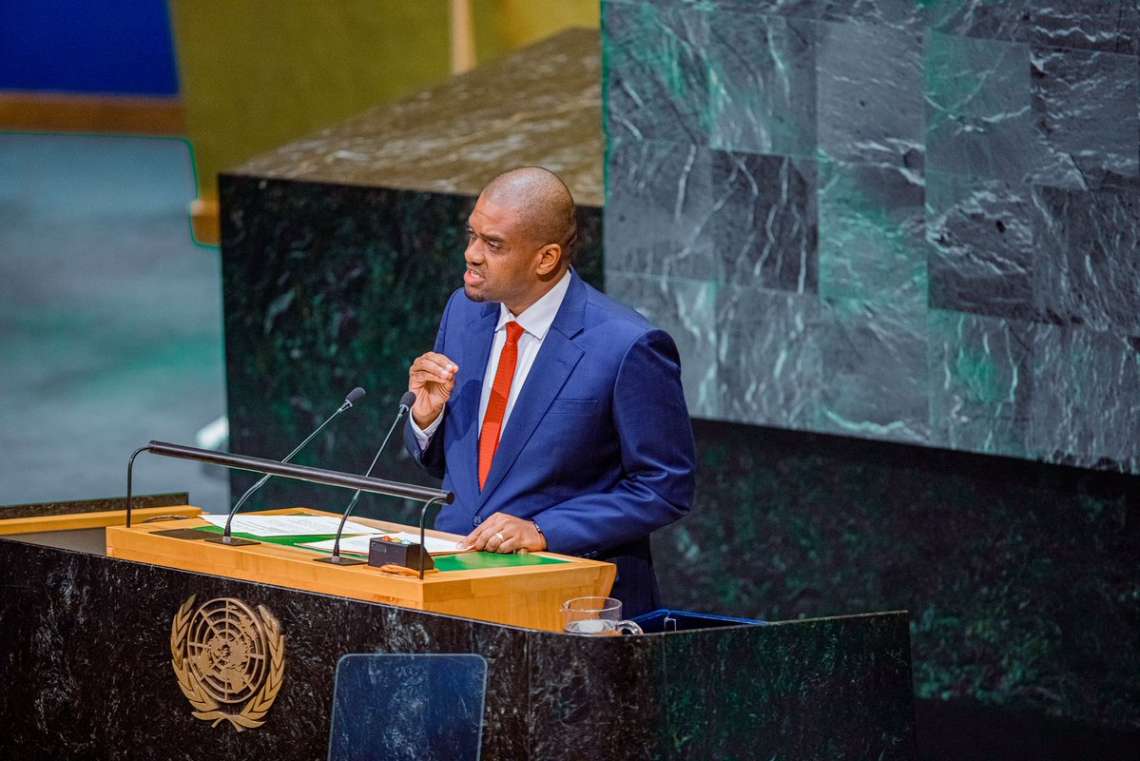
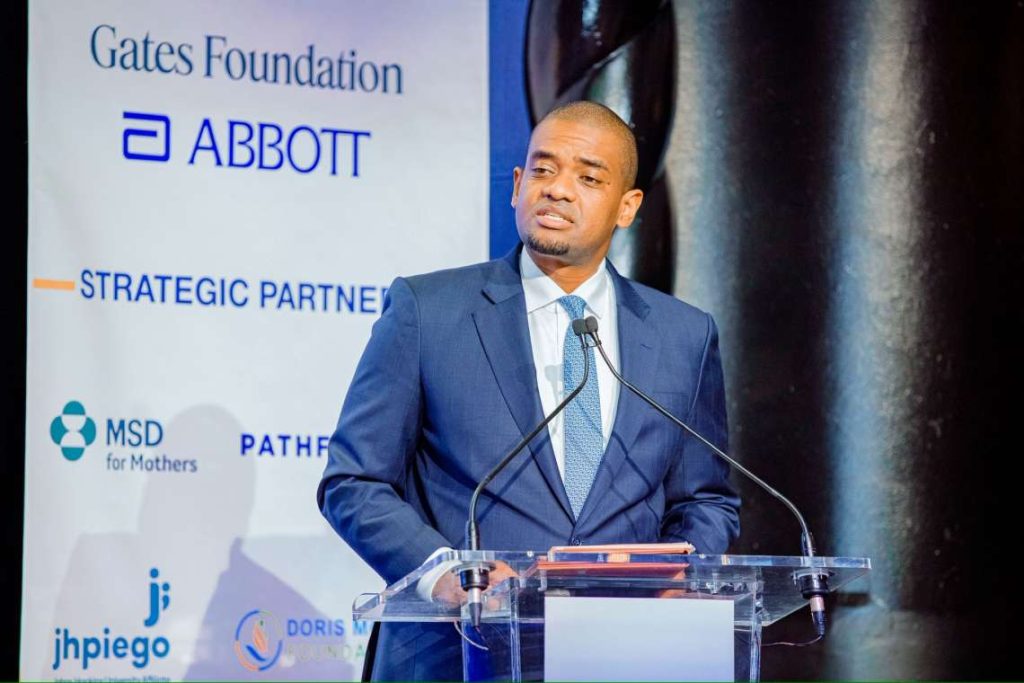
Her message was delivered by Tanzania’s Vice President Deogratius Ndejembi at the “Women Rise – Celebrating Women’s Leadership in Africa’s Journey Towards Maternal Health for All” event in New York, held on the sidelines of the 81st Session of the United Nations General Assembly.
President Samia, who is also the African Union Champion for Maternal and Child Health, said women should not be viewed only as recipients of healthcare services.
She highlighted their roles as health professionals, caregivers, researchers, entrepreneurs and policymakers, saying women contribute to health systems at multiple levels.
She also stressed the need for women to have meaningful representation in decisions on how health services are designed and delivered.
Ndejembi said Tanzania had continued to increase investment in maternal and child health, contributing to a decline in maternal and child mortality.
He said the country’s national health budget had increased from about TSh 780 billion in 2015 to TSh 1.8 trillion in the 2026/27 financial year.
Tanzania’s electronic e MAMA system had also supported more than 150,000 emergency referrals by August 2026, according to Ndejembi.
He added that the number of specialised neonatal care units had risen from 14 in 2015 to 438 in 2025.
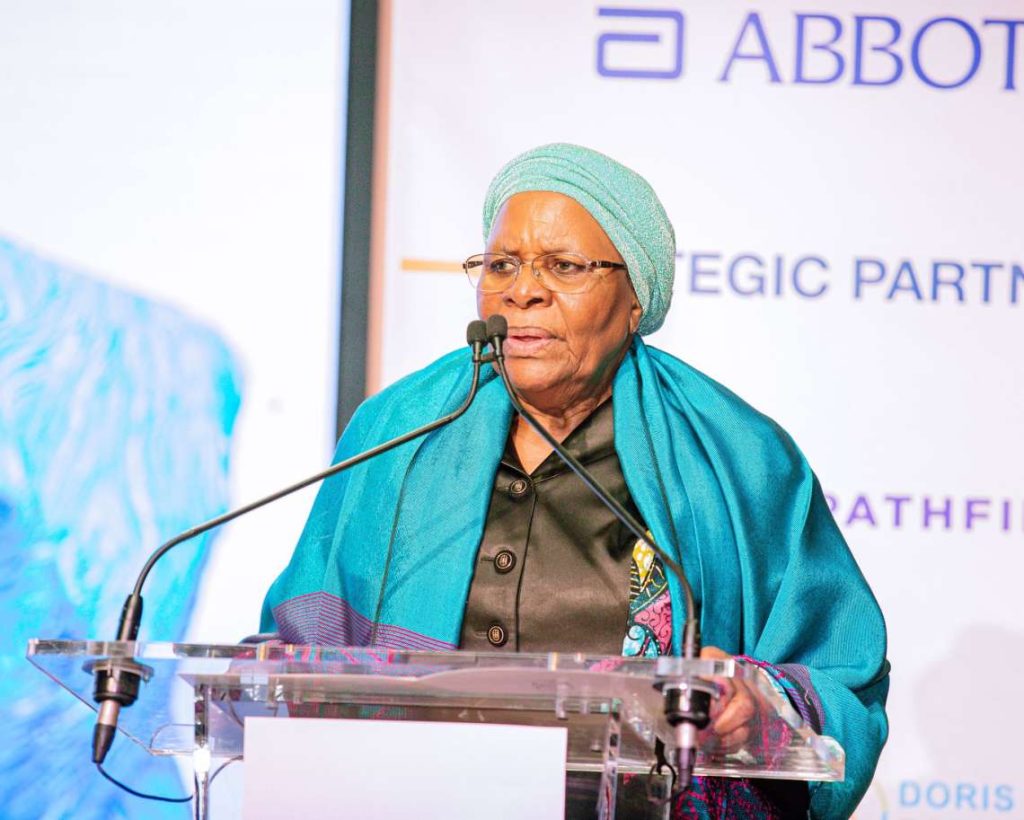
Namibian President Netumbo Nandi Ndaitwah praised President Samia’s leadership on maternal and child health and described the wellbeing and future of African women and children as a shared responsibility.
She said investment in maternal and child health was also an investment in lives, human capital and Africa’s wider development.
Nandi Ndaitwah urged African countries to increase domestic investment in maternal and child health as part of efforts to improve outcomes for women and children across the continent.