
As Western partners, particularly the United States, raise security concerns and scale back engagement, Abuja is seeking to reduce reliance on any single partner, reports Africa Daily Newsdesk
Nigeria is signalling a decisive recalibration of its foreign policy, moving to deepen strategic ties with Russia across key sectors even as relations with the United States come under renewed strain following heightened security warnings and a partial diplomatic drawdown in Abuja.
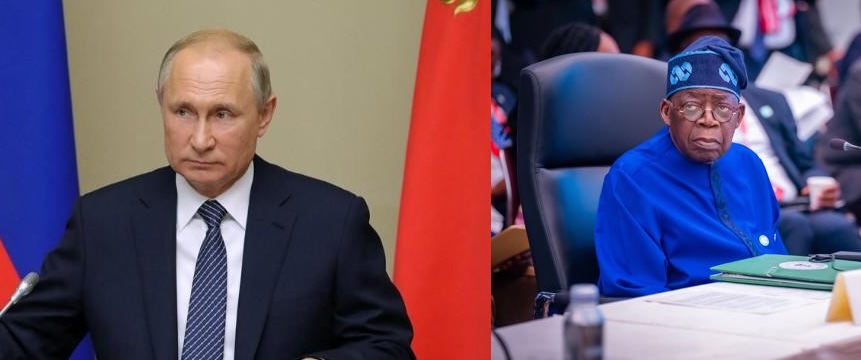
The shift comes into sharp focus amid recent high-level engagements between Nigerian officials and Russian representatives. The Honourable Minister of State for Budget and Economic Planning, Doris Uzoka-Anite, hosted Russia’s Trade Commissioner, Maxim Petrov, in Abuja as both sides explored expanded cooperation in education, trade and investment. The meeting reflects a broader effort by Nigeria to diversify its international partnerships and unlock new development pathways.
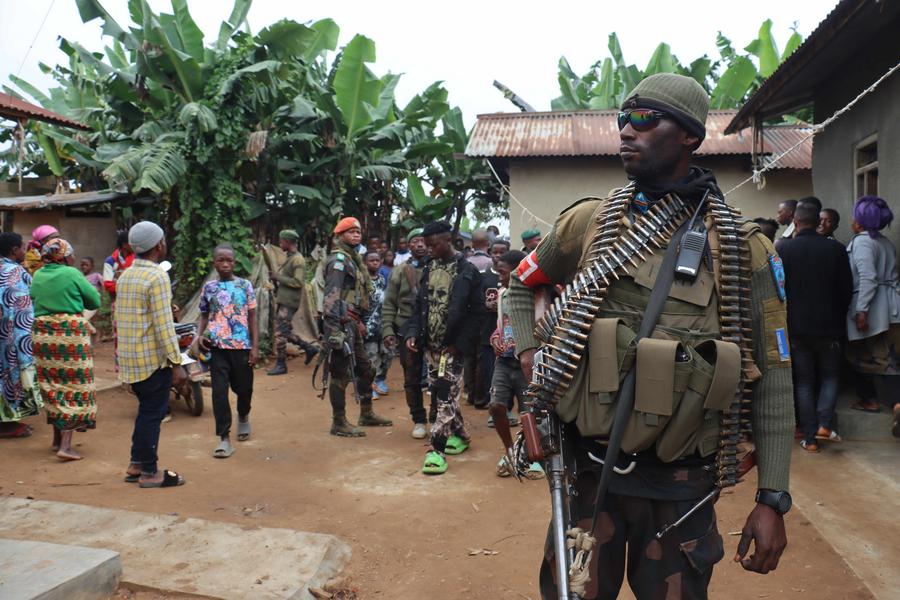
This outreach to Moscow is unfolding against a backdrop of growing tension with Washington. The United States recently updated its travel advisory on Nigeria, maintaining the country at Level 3 and urging its citizens to reconsider travel due to persistent security risks. Several regions were placed under the highest “Do Not Travel” category, with concerns cited including terrorism, kidnapping, armed crime and civil unrest. In tandem, U.S. authorities authorised the departure of non-essential embassy staff in Abuja, effectively limiting consular services and signalling a more cautious diplomatic posture.
For Nigerian policymakers, these developments underscore the urgency of broadening international alliances. During discussions with the Russian delegation, Dr. Uzoka-Anite emphasised the Federal Government’s commitment to building a more robust and mutually beneficial partnership with Russia, positioning her ministry as a key driver of future cooperation agreements and technical collaborations.
She highlighted Nigeria’s openness to innovative engagement models, particularly Russia’s evolving approach of working directly with regional governments to deliver targeted development outcomes. While acknowledging progress in existing bilateral relations, she pointed to significant untapped potential in areas such as education, human capital development and industrial capacity building.
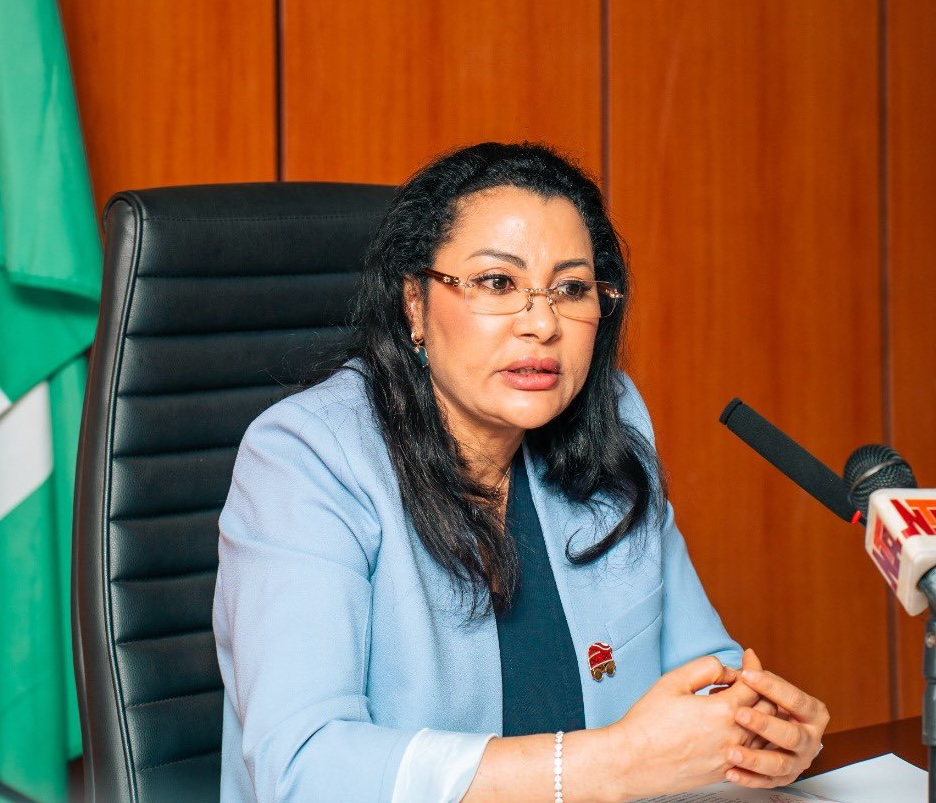
“Nigeria remains open to innovative partnerships with Russia, particularly those that strengthen grassroots development through regional collaboration.”
—Dr. Doris Uzoka-Anite
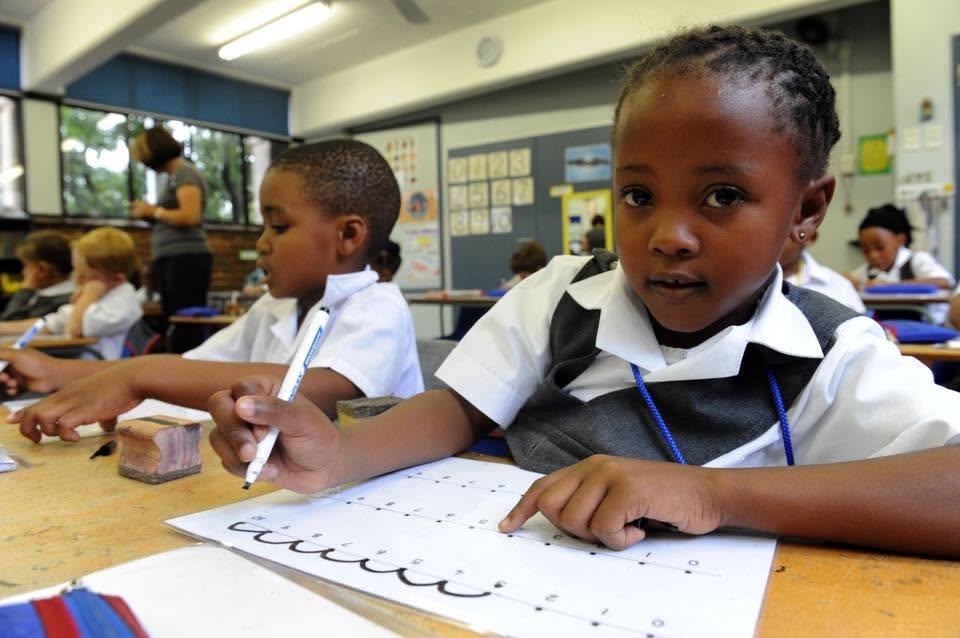
Russia’s growing appeal lies partly in its willingness to offer flexible, less conditional partnerships. Mr. Petrov outlined a new framework for educational exchange that grants Nigerian regional authorities direct access to fully funded scholarship programmes aligned with local development priorities. The initiative, which currently supports around 200 Nigerian students, covers tuition and accommodation in Russia, with Nigeria responsible only for travel and basic allowances. Plans are underway to expand participation into critical sectors including engineering, healthcare, hospitality and industrial training.
Such initiatives align with Nigeria’s broader ambition to strengthen its human capital base while reducing reliance on traditional Western education pipelines. They also reinforce Moscow’s positioning as a partner focused on practical collaboration rather than prescriptive governance conditions.
In parallel, Nigerian officials reiterated their commitment to maintaining high standards of engagement across all partnerships. Representatives from the Federal Ministry of Budget and Economic Planning described the Nigeria–Russia relationship as “productive and steadily evolving,” expressing confidence that expanded cooperation would deliver tangible economic benefits.
However, the timing of Nigeria’s deepening ties with Russia is significant. Analysts view the move as part of a wider geopolitical recalibration, as emerging economies increasingly adopt multi-aligned foreign policies in response to shifting global power dynamics. With Western partners, particularly the United States, raising persistent concerns over Nigeria’s security environment and scaling back certain aspects of diplomatic engagement, Abuja appears intent on reducing overreliance on any single partner.
This strategy reflects both pragmatism and necessity. Nigeria continues to face complex internal security challenges that impact investor confidence and international perception. The U.S. travel advisory, while not unprecedented, reinforces these concerns and may influence short-term business and travel decisions. At the same time, it creates space for alternative partners to expand their footprint.
Russia’s engagement model—centred on trade, technical cooperation and education—offers Nigeria an opportunity to sustain development momentum while navigating these external pressures. Importantly, Nigerian officials have framed the partnership not as a pivot away from the West, but as part of a broader diversification strategy designed to enhance resilience and strategic autonomy.
Nevertheless, the optics of closer alignment with Russia, particularly amid heightened geopolitical tensions involving Western powers, carry potential implications. Nigeria must carefully balance its expanding partnerships to avoid alienating key stakeholders or undermining long-standing economic and security relationships.
The current moment illustrates the complexity of Nigeria’s position on the global stage. As Africa’s largest economy, it is both a critical partner for Western nations and an attractive market for emerging powers seeking to expand influence. Its policy choices are therefore closely watched and carry broader regional significance.
Ultimately, Nigeria’s engagement with Russia signals a calculated effort to navigate an increasingly fragmented international order. By leveraging multiple partnerships across competing global blocs, Abuja is seeking to secure investment, build capacity and address domestic challenges without becoming overly dependent on any single external actor.
As diplomatic dynamics continue to evolve, Nigeria’s ability to maintain this delicate balance will be central to its economic trajectory and geopolitical relevance.