
The African Development Bank has launched a new initiative to help governments improve their sovereign credit ratings and engage more effectively with international rating agencies….reports Africa Daily News Desk
The African Development Bank Group (AfDB) has launched a new initiative to help African countries improve their engagement with international credit rating agencies, strengthen financial decision-making and secure better-informed assessments of their creditworthiness.
Known as the African Development Bank Sovereign Credit Rating Initiative, the programme aims to improve the quality of financial and economic information used to assess countries, while equipping governments with the knowledge and tools needed to make informed decisions about borrowing on international financial markets.
The initiative will be implemented by the African Legal Support Facility (ALSF), an organisation hosted by the AfDB that provides legal and financial advice to African governments.
It will offer practical tools, training and advisory support on sovereign credit ratings and international borrowing, forming part of the Bank Group’s broader New African Financial Architecture for Development (NAFAD).
The initiative is designed to bring together governments, African institutions, development partners, credit rating agencies and investors, with each playing a role in strengthening the continent’s financial systems.
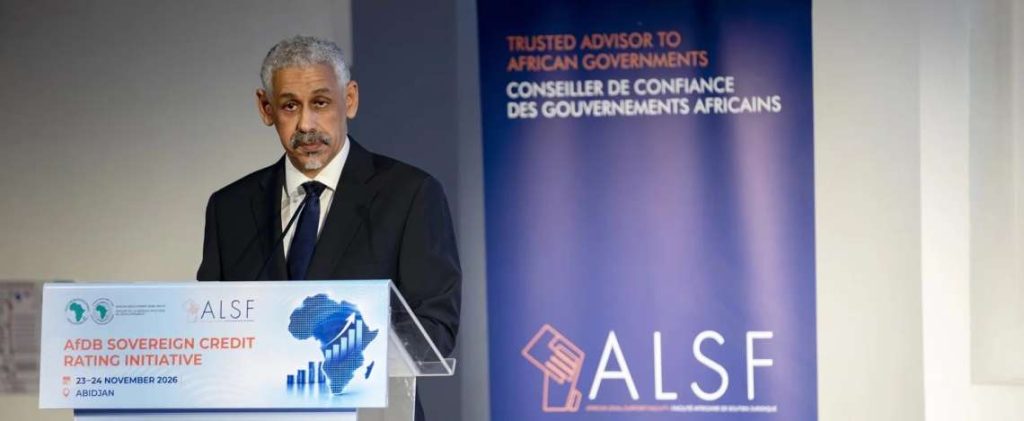
Launching the programme in Abidjan, AfDB President Dr Sidi Ould Tah said sovereign credit ratings influence investor decisions, borrowing costs and the financial resources available to governments for development.
“This Initiative will not engineer a rating. It will strengthen what lies behind one,” Dr Ould Tah said. “Africa does not seek exemption from rigorous assessment. It seeks the knowledge, institutions and confidence to engage that assessment from a position of preparedness and strength.”
He said improving the quality of information presented to credit rating agencies could help countries secure more informed assessments and create greater opportunities for development investment.
“If a country’s risk is judged higher than it is, more money goes to interest and less to medicines, nurses and hospital beds. Behind the rating is a mother waiting for a clinic, a farmer waiting for a road, and a young graduate waiting for a job,” he added.
How will the initiative help African countries?
The programme will help governments understand how sovereign credit ratings are determined, improve the quality and availability of financial and economic data, strengthen coordination between government institutions and engage more effectively with rating agencies and investors.
It will support both countries seeking their first sovereign credit rating and those that already have ratings.
According to the AfDB, only 30 per cent of African countries hold ratings from all three major international credit rating agencies: Standard & Poor’s (S&P), Moody’s Corporation and Fitch Ratings Inc. Nineteen African countries do not currently have a rating from any of the three agencies, limiting their access to mainstream international sovereign bond markets and other market-based financing.
Support under the initiative will include capacity building, practical learning resources, country-specific advisory services, online training and rapid access to specialist assistance, working alongside financial and technical partners.
Countries seeking their first rating will receive structured assistance to assess their readiness, identify gaps in financial information and prepare to engage with rating agencies.
Governments that already hold ratings will be able to access support for regular credit rating reviews and strengthen the institutions and policies that influence their assessments.
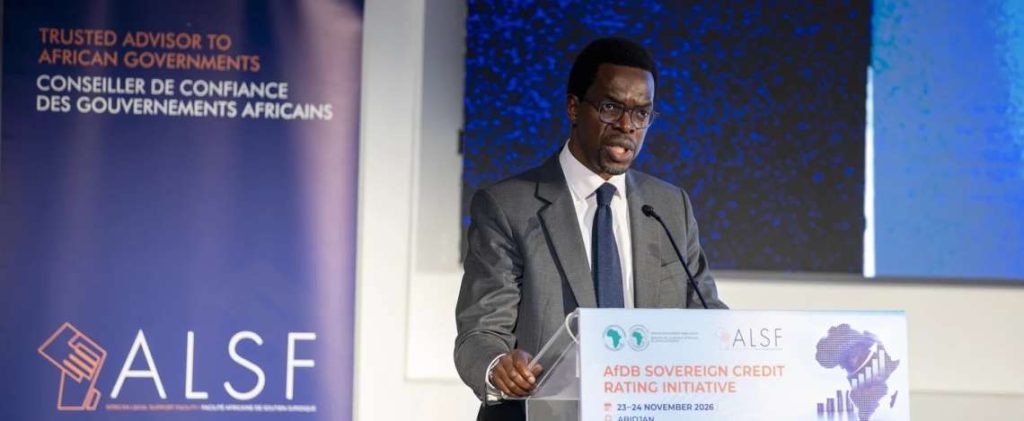
Olivier Pognon, Executive Director of the African Legal Support Facility, said: “This structured, continent-wide initiative aims to equip African governments with the knowledge, institutions, information and technical support required to make good financing decisions, and engage rating agencies and markets on informed, credible and sovereign terms.”
The initiative also emphasises the importance of assessing whether and when a country should seek a sovereign credit rating or access international commercial markets.
It highlights that obtaining a credit rating and borrowing internationally are two separate decisions. Before taking on commercial debt, governments are encouraged to consider their ability to repay the principal and interest, existing debt obligations, market conditions and alternative financing options.
The ALSF will draw on its experience in government borrowing, debt management and advisory services, alongside the AfDB’s technical expertise and its ability to bring together governments, investors and development partners.
The initiative will complement existing efforts to strengthen sovereign credit ratings across Africa, including the African Credit Rating Agency (AfCRA), launched in October 2026 by the African Union and the United Nations Development Programme (UNDP) Credit Rating platform.
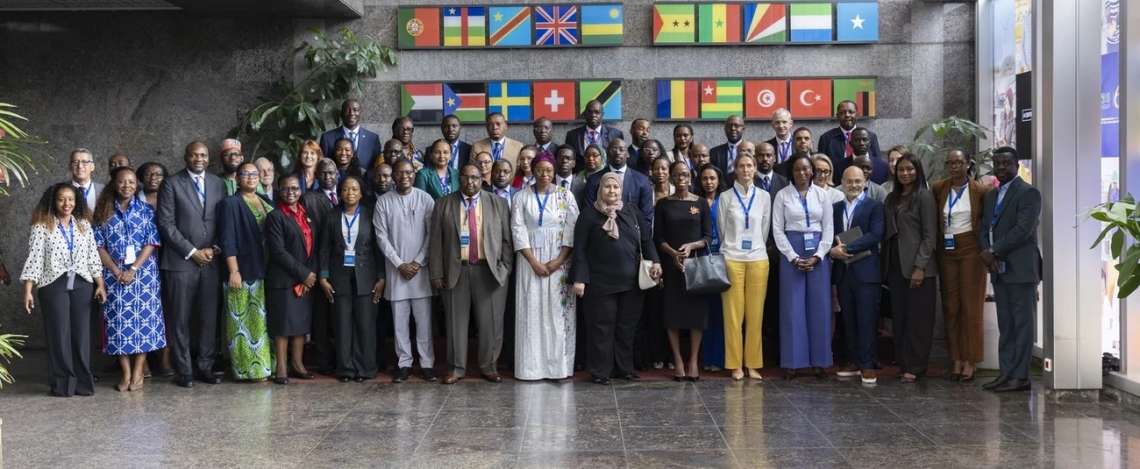
Government representatives, African institutions, credit rating agencies, investors, private sector representatives and development partners attended discussions at the launch, focusing on sovereign credit ratings, international borrowing, investor expectations and the quality of financial and economic data.
Dr Ould Tah urged African countries to make active use of the programme.
“Let us move from launch to learning, from learning to country action, and from country action to stronger financial sovereignty for Africa,” he said.