
Nigeria’s National Council on Health has approved 22 resolutions aimed at improving healthcare delivery and access across the country. …reports Africa Daily News Desk
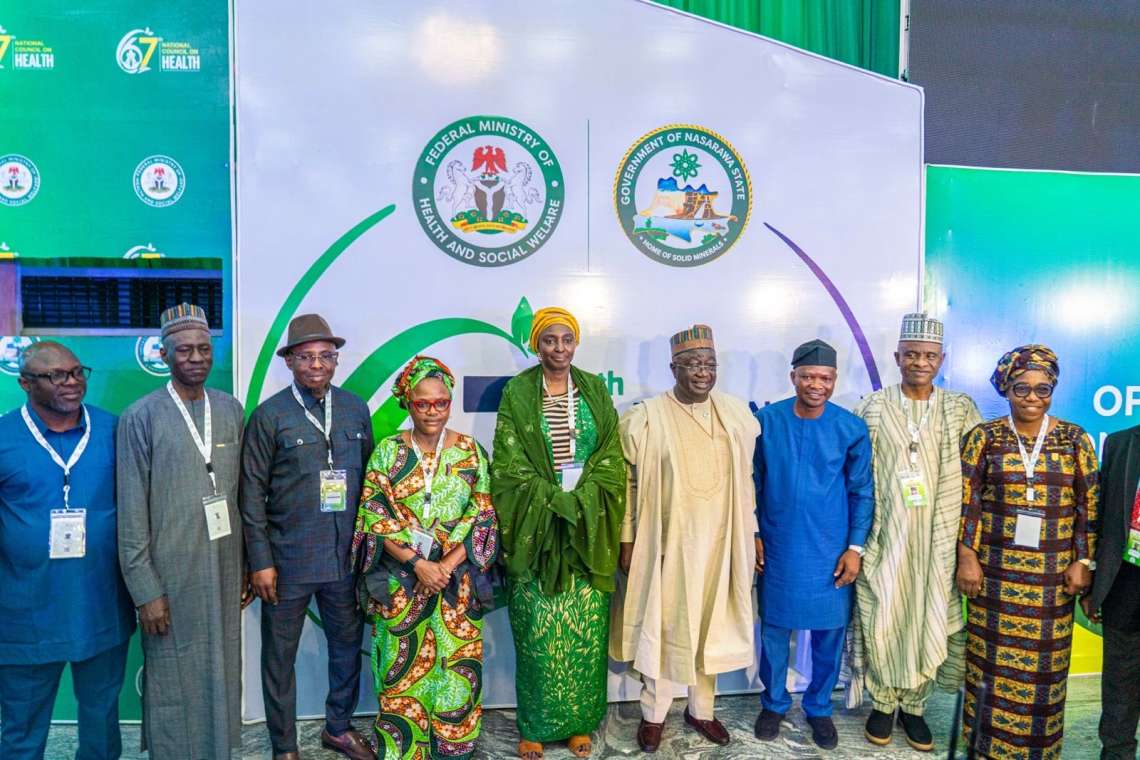
Nigeria’s Federal Government has called on state governments to implement, fund and monitor national health resolutions after the 67th National Council on Health (NCH) approved 22 measures aimed at strengthening healthcare delivery and improving health outcomes across the country.
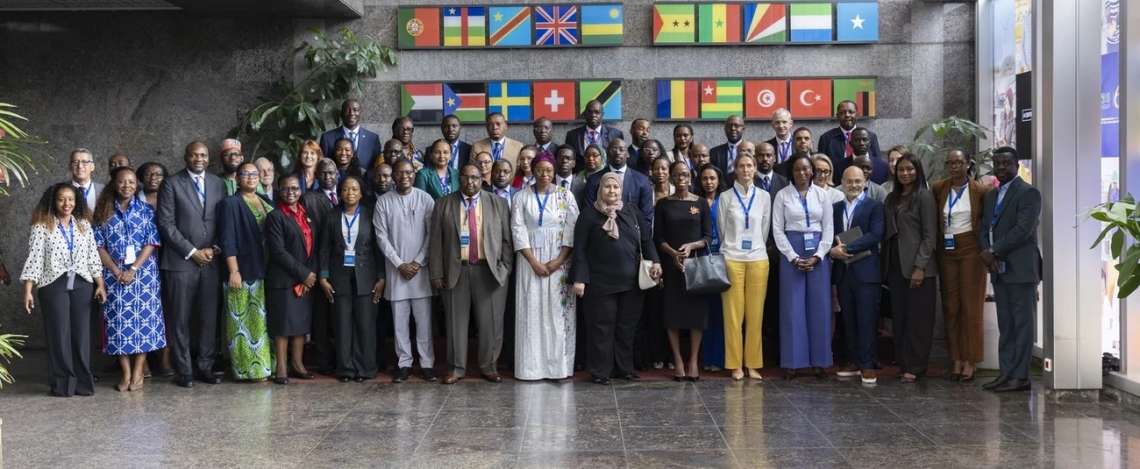
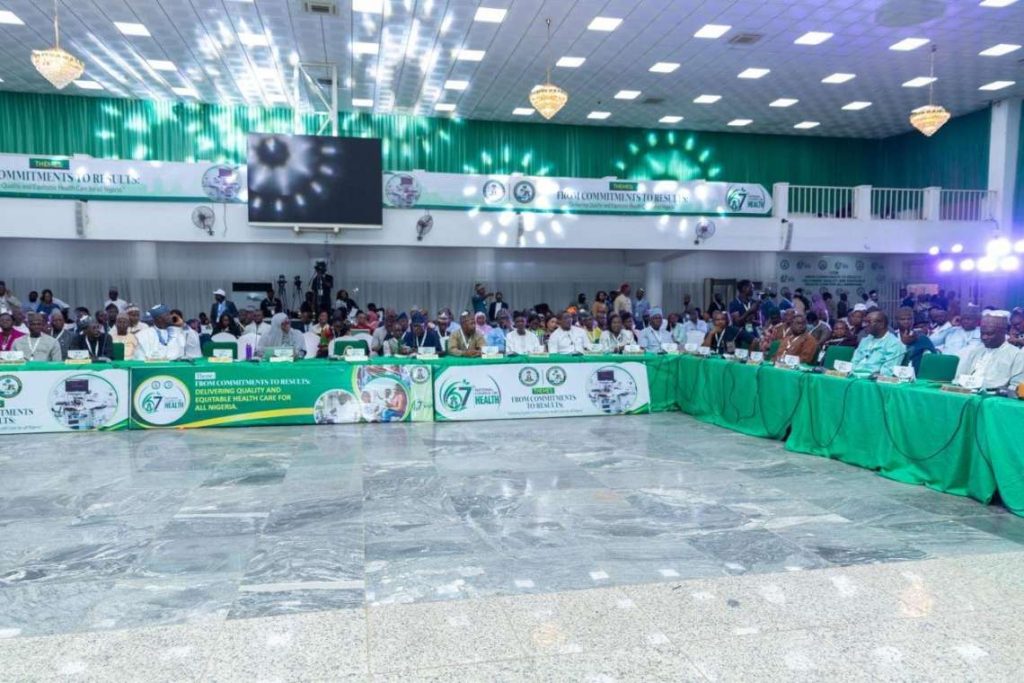
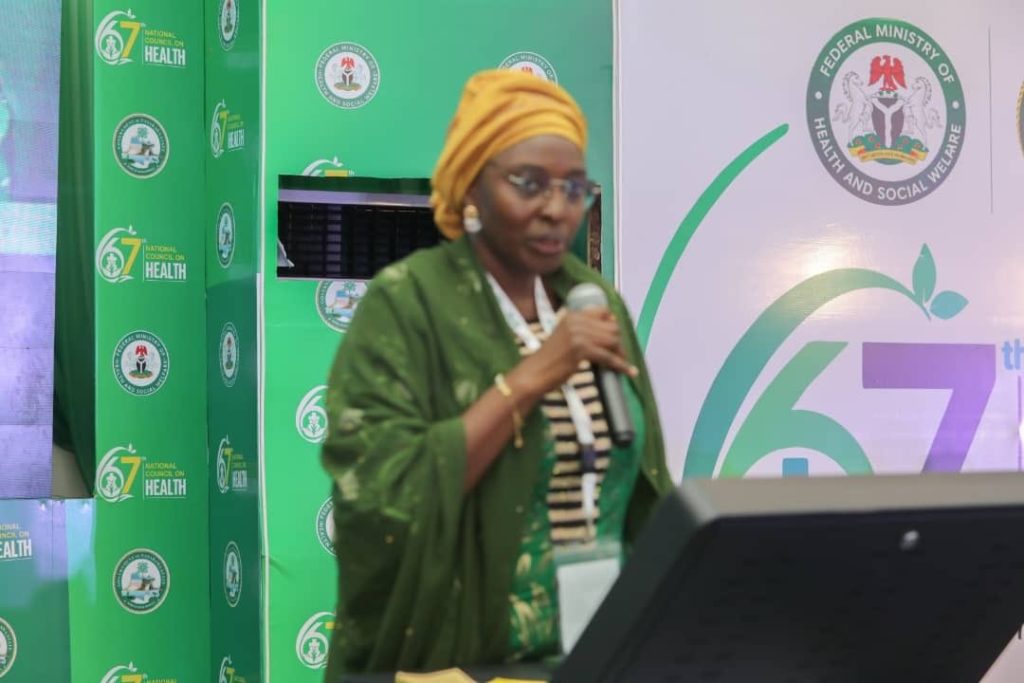
The two-day council meeting, hosted by Nasarawa State in Lafia, brought together 1,051 delegates to discuss priorities for the country’s health sector and ways to improve access to quality and equitable healthcare.
Coordinating Minister of Health and Social Welfare, Professor Muhammad Ali Pate, said implementation of the 20 resolutions adopted at the 66th NCH in Calabar had reached an average of 55 per cent.
He disclosed that only 56 per cent of expected state progress reports had been received, while ten states recorded implementation levels below 40 per cent.
Pate urged state governments to assign a designated implementing institution to every resolution, establish clear timelines and measurable indicators, and appoint Resolutions Desk Officers to submit quarterly reports for independent verification.
“A resolution that is not domesticated, budgeted and tracked is only a good intention,” the minister said.
What are the key health resolutions?
The 67th NCH considered 70 memoranda during its technical session and recommended 56 to the council. Of these, 22 were approved, including five with amendments, while 34 were noted.
Among the key resolutions was the adoption of the Nigeria National Cancer Control Plan 2026–2030, requiring states and the Federal Capital Territory to establish State Cancer Control Programmes within 12 months.
The council also approved the implementation of the National Telemedicine Guideline (2026) and National Minimum Standards for Secondary Healthcare Facilities.
Other priorities include integrating essential mental health services into primary healthcare, introducing perennial malaria chemoprevention for children under two, and establishing an integrated HIV, tuberculosis and malaria service delivery framework.
The approved measures also provide for an Interim Paramedics Licensing Committee and a comprehensive review of the National Health Act 2014.
The council adopted recommendations from the Committee on Harassment of Health Workers and approved national policies covering work-hour regulation, locum engagement, electronic pharmacy and alcohol control.
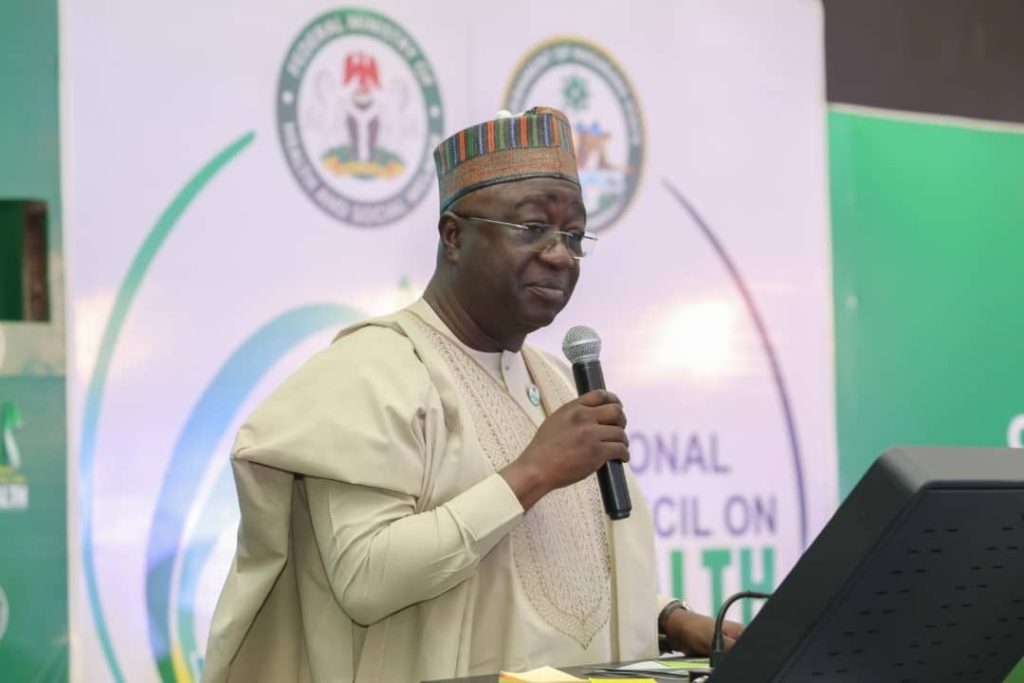
In his opening remarks, Minister of State for Health and Social Welfare Dr Iziak Adekunle Salako reviewed the council’s progress under the current administration, referring to meetings held in Ado-Ekiti in 2023, Maiduguri in 2024 and Calabar in 2025.
With the 2023–2026 strategic cycle approaching its close, Salako said Lafia provided an opportunity to assess the delivery of previous commitments. He urged the health sector to work collectively through the Sector-Wide Approach (SWAp) and remain accountable to Nigerians.
“A health system is judged not by the number of meetings it holds or the policies it approves, but by what changes in the lives of its people,” he said.
Nasarawa State Governor Abdullahi A. Sule, who attended the closing session, commended the Federal Government’s health reforms and highlighted the state’s investment in the sector.
He cited the employment of more than 3,000 health workers and the upgrading of its specialist hospital to the Teaching Hospital of the Federal University of Lafia, in partnership with the Federal Government. His deputy, Dr Emmanuel Akabe, had earlier declared the council open on his behalf.
The Emir of Shonga, His Royal Highness Alhaji (Dr.) Haliru Ndanusa Yahaya, delivered the keynote presentation under the theme, “From Commitments to Results: Delivering Quality and Equitable Health Care for All Nigerians”. Traditional rulers, service chiefs, civil society organisations and development partners also pledged support for implementation.
Ahead of the council session, the Permanent Secretary led the Technical Committee on a courtesy visit to the Emir of Lafia, His Royal Highness Justice Sidi Bage Muhammad I (Rtd), reaffirming the Federal Government’s commitment to strengthening primary healthcare.
The council agreed that Enugu State will host the 68th National Council on Health in 2027.
The Federal Ministry of Health and Social Welfare said it would work with state governments and partners through the Sector-Wide Approach to translate the council’s decisions into measurable improvements in healthcare outcomes, in line with the Renewed Hope Agenda.