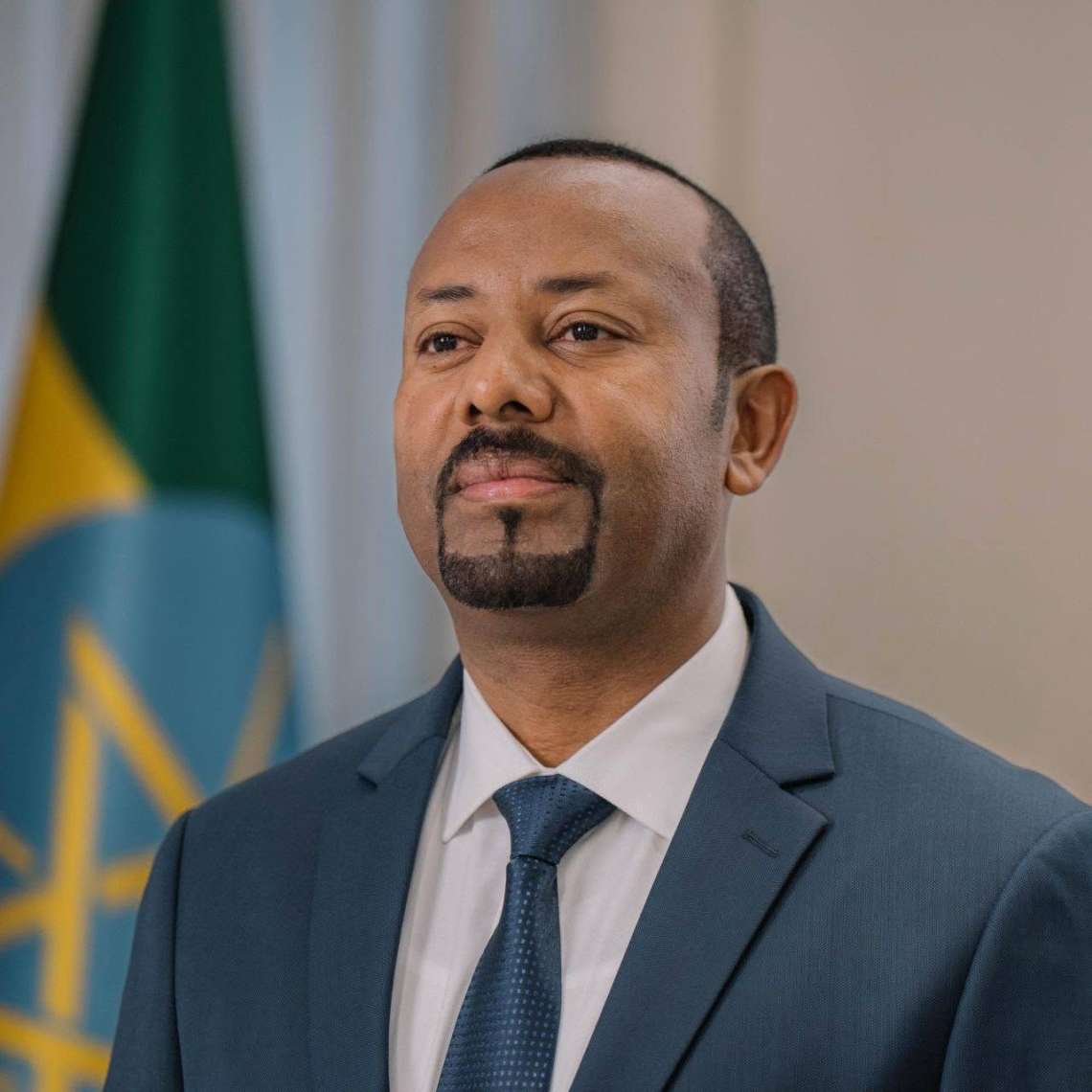

Ethiopian Prime Minister Abiy Ahmed has invited Sudan’s military, political and civilian factions to participate in an inclusive dialogue hosted by Ethiopia…reports Africa Daily News Desk
Ethiopian Prime Minister Abiy Ahmed has invited all Sudanese military, political and civilian parties to participate in an inclusive national dialogue hosted by Ethiopia, as the war in Sudan enters its fourth year and the humanitarian crisis continues to deepen.
In an open letter to the Sudanese people dated 23 November 2026, Abiy said Ethiopia was ready to host and facilitate discussions aimed at ending the fighting, overcoming political divisions and reaching a national consensus on a peaceful future for the country.
The proposed initiative seeks to bring together all Sudanese parties without favouring any particular group. Abiy said the objective was to create conditions for a comprehensive and lasting peace, with Sudanese people themselves determining the country’s future.
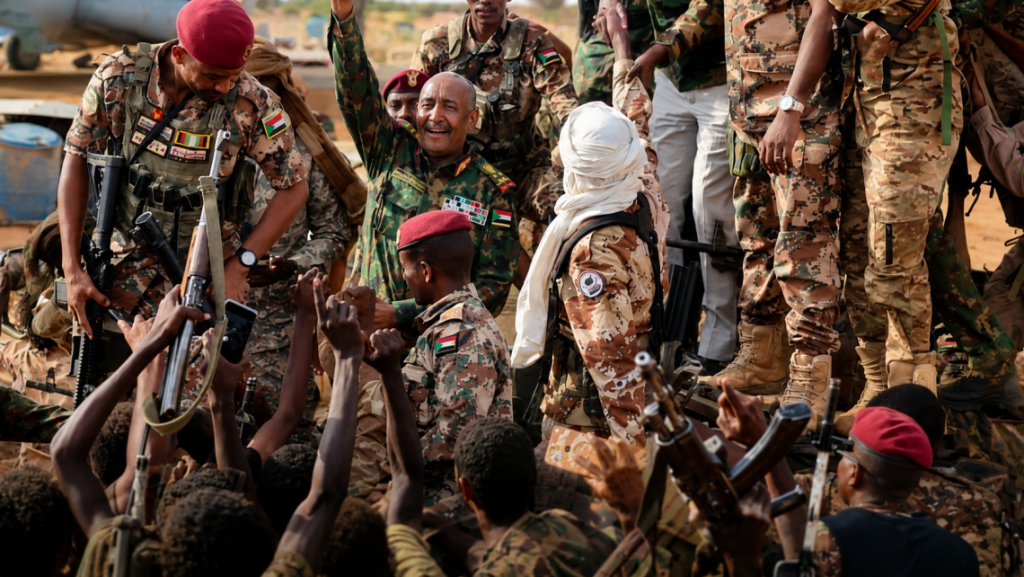
What is Ethiopia proposing to end the Sudan conflict?
In his letter, Abiy described the historical relationship between Ethiopia and Sudan as one built on shared history, cultural connections, social ties and geographical proximity.
He said the conflict was not simply a political or security development in a neighbouring country but a humanitarian tragedy affecting the Ethiopian people as well.
Ethiopia, he added, had closely followed the situation since fighting broke out on 15 April 2023 and had continued efforts to encourage an end to hostilities and create conditions for a political settlement.
The prime minister also recalled Ethiopia’s involvement in Sudan’s political transition in 2019, following the December Revolution. He said Ethiopia had played an active role in bringing civilian and military representatives closer together during a period of political uncertainty.
Those efforts, which received regional support and international recognition, helped pave the way for an agreement between the Transitional Military Council and civilian forces represented at the time by the Forces of Freedom and Change, according to the letter.
Abiy said the latest initiative was an extension of Ethiopia’s longstanding position in support of Sudan’s unity, territorial integrity and stability.
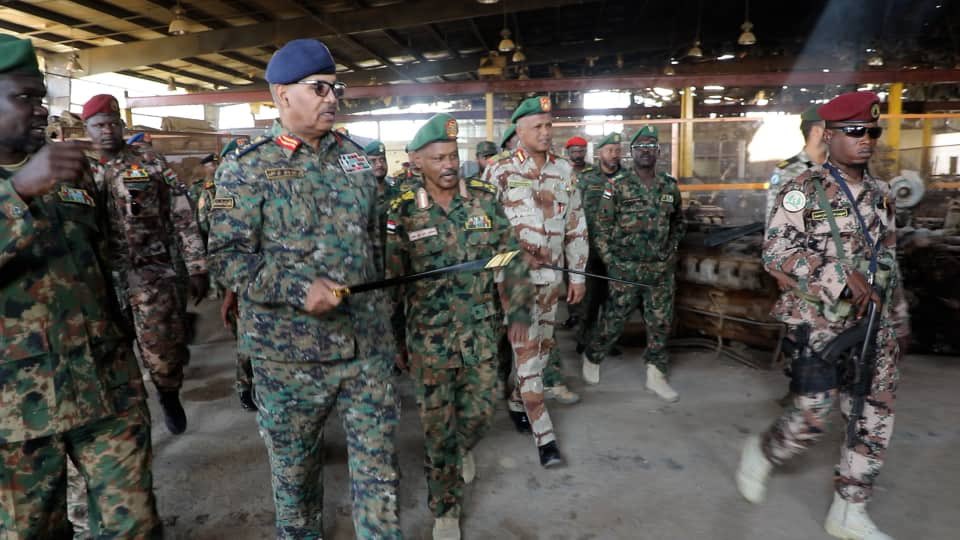
What would the proposed dialogue seek to achieve?
The Ethiopian government has proposed a Sudanese-led dialogue involving military, political and civilian representatives, with Ethiopia providing the venue and facilitation.
The discussions would seek to establish an understanding on several issues, including ending the war, launching an inclusive national political process and agreeing on arrangements for the country’s next phase.
These could include the formation of a broadly accepted national unity government, the restoration of state institutions, protection of Sudan’s sovereignty and territorial unity, and reconstruction of infrastructure damaged during the conflict.
Abiy stressed that Ethiopia’s proposal was not driven by a separate political agenda or an attempt to secure advantages at the expense of any Sudanese party.
He said Ethiopia was prepared to maintain an equal distance from all sides and provide a platform based on openness, seriousness and mutual respect.
The prime minister also emphasised that solutions imposed from outside could not establish lasting peace, arguing that Sudan’s future must be decided by its own people through an independent national dialogue.
He said the objective should not be the victory of one side over another, but the recovery of Sudan as a country, the restoration of state institutions and an end to the loss of lives.
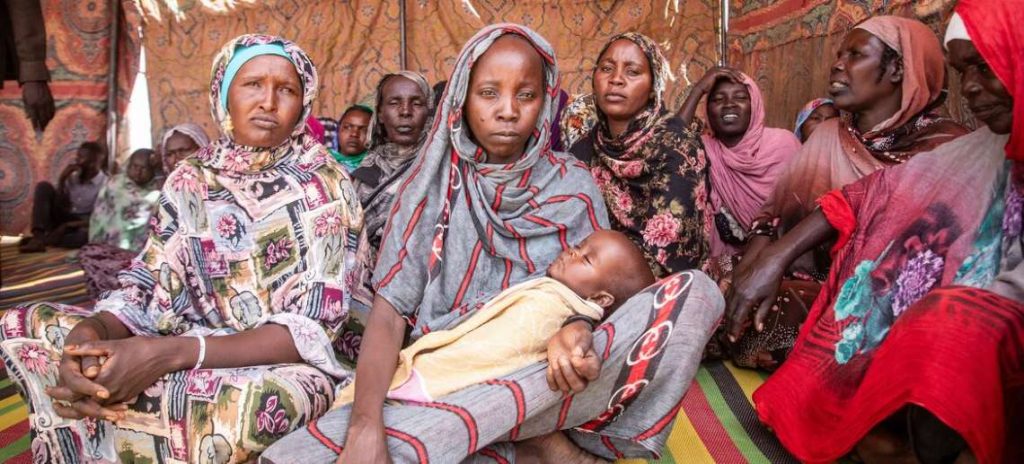
Ethiopia calls for international support
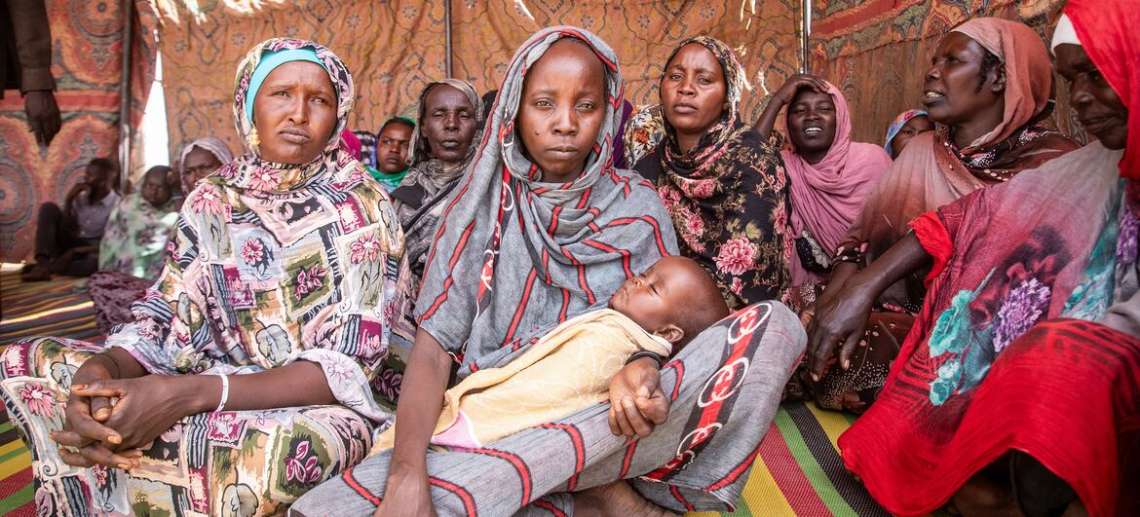
The letter highlighted the growing humanitarian consequences of the conflict, including widespread displacement, refugee movements and damage to infrastructure and public institutions.
Abiy called on the international community, neighbouring and friendly countries, and regional and international organisations to support the Sudanese people and strengthen humanitarian assistance for those affected by the war.
He also urged international partners to back serious efforts to end the fighting and avoid narrow political interests and rivalries that could prolong the conflict.
Ethiopia, he said, was ready to use its regional and international relationships, diplomatic resources and cooperation with relevant partners to help create favourable conditions for the proposed dialogue.
Why does Sudan’s stability matter to Ethiopia?
Abiy described peace in Sudan as directly connected to Ethiopia’s own security and the wider stability of the Horn of Africa.
He said the two countries shared more than a geographical border, arguing that Sudan’s peace and security were closely linked to Ethiopia’s and the future of the surrounding region.
Concluding his letter, the Ethiopian prime minister appealed to all Sudanese parties to respond to the initiative with a sense of national responsibility and put the country’s interests above competing political and military calculations.
He said Ethiopia would continue supporting efforts to restore Sudan’s security, stability and unity, expressing hope that dialogue could provide a path towards peace.
The letter ended with a message of solidarity, stating that Sudan deserved peace, its people deserved dignity and a secure life, and its future should be shaped by Sudanese citizens themselves.