
South Africa’s Electoral Commission has outlined the remaining procedures to finalise the 2026 Local Government Elections, including resolving candidate shortages and multiple-seat nominations….reports Africa Daily News Desk
South Africa’s Electoral Commission has outlined the remaining steps to conclude the 2026 Local Government Elections, including resolving shortages in political party candidate lists and addressing cases where candidates have been nominated for multiple seats.
In a media statement issued on November 12, the Commission said the announcement of election results on November 8 had triggered a series of administrative processes that must be completed before the names of elected councillors can be officially published in the government gazette.
The publication will enable municipal councils to prepare for their inaugural meetings, which must be convened within 14 days after councillors have been formally declared elected, in accordance with the Local Government: Municipal Structures Act.
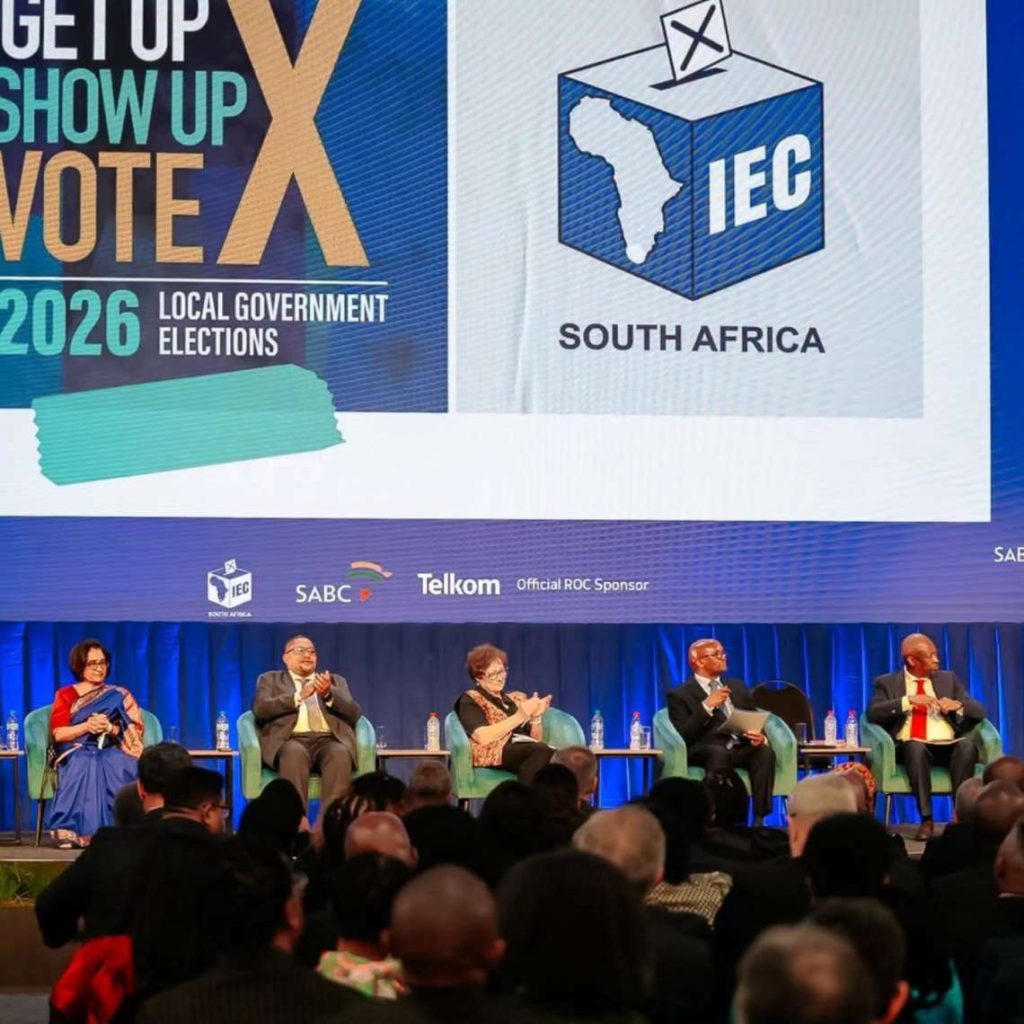
South Africa moves to finalise local election process
However, the Commission said several important procedures must be completed before the final list of elected representatives can be gazetted.
One of the key outstanding issues concerns political parties that nominated fewer candidates than the number of seats they won.
Under the Local Government: Municipal Structures Act, the Commission is required to notify parties that have insufficient candidate lists and give them an opportunity to address the shortfall.
On November 9, the Commission issued written notices to affected parties that had secured more seats than the number of candidates on their proportional representation (PR) lists.
The parties were given until 5pm on Wednesday, November 11, to submit additional names to fill the shortfall.
The Commission clarified that this provision was intended only to allow parties to provide enough candidates to cover the seats they had won. It did not permit them to change their existing lists or replace previously nominated candidates.
Political parties may only amend their lists or replace nominated candidates a day after the first sitting of the relevant municipal council.
The Commission warned that parties that failed to submit sufficient names risked losing seats if the shortage made it impossible for the municipal council to achieve a quorum.
The Commission also highlighted procedures concerning candidates whose names appear against more than one seat.
Under the relevant provisions of the Local Government: Municipal Structures Act, the Commission must notify political parties when candidates on their lists are nominated to occupy multiple seats.
The affected party must then decide which seat the candidate should be assigned to. The same requirement applies to independent candidates nominated for more than one ward seat.
Failure to make the required election will result in the candidate’s name being removed from the relevant list.
If the deleted name belongs to a candidate nominated for a ward seat, the removal will trigger a by-election.
Another issue outlined in the statement concerns situations where two or more candidates receive an equal number of votes in a ward election.
The Commission referred to Item 8 of the Local Government: Municipal Structures Act, which provides for procedures to determine the outcome in such circumstances.
Once the outstanding processes have been completed, the Commission will publish the final names of duly elected councillors in the government gazette.
The publication will mark a key administrative step towards the formal establishment of the new municipal councils following the 2026 local government elections.