
The developments come as Kinshasa seeks stricter enforcement of political regulations and greater oversight of cross-border herding…reports Africa Daily News Desk
The Democratic Republic of the Congo (DR Congo) has reported the dissolution of the People’s Party for Reconstruction and Democracy (PPRD) and the identification of nearly 25,000 Mbororo herders as part of efforts to enforce political regulations and manage cross-border livestock movements.
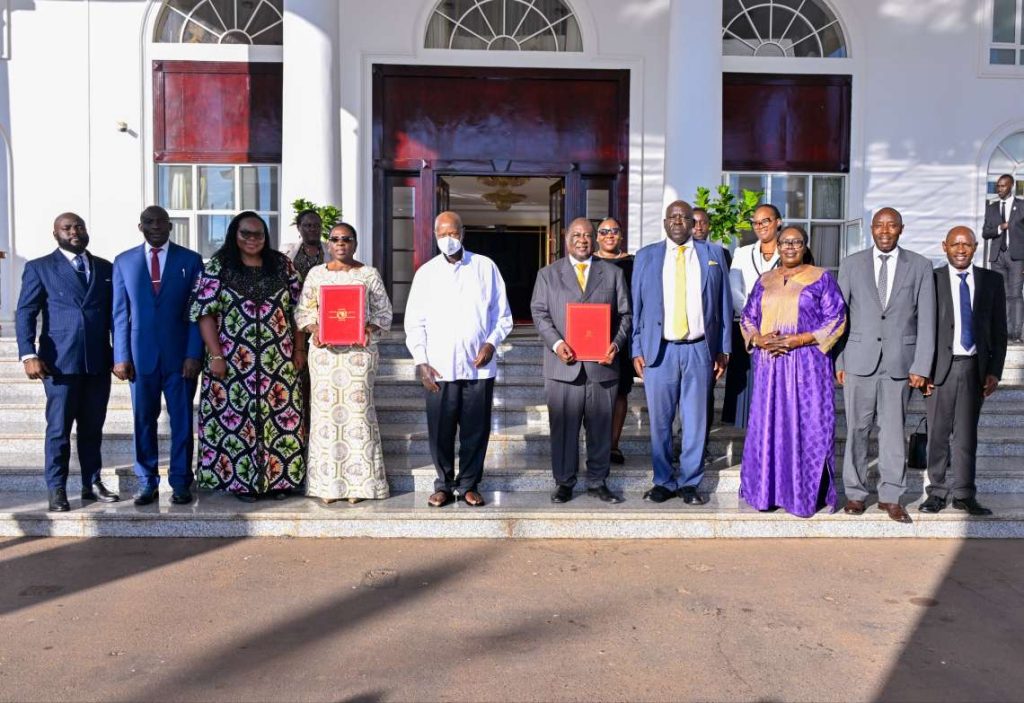
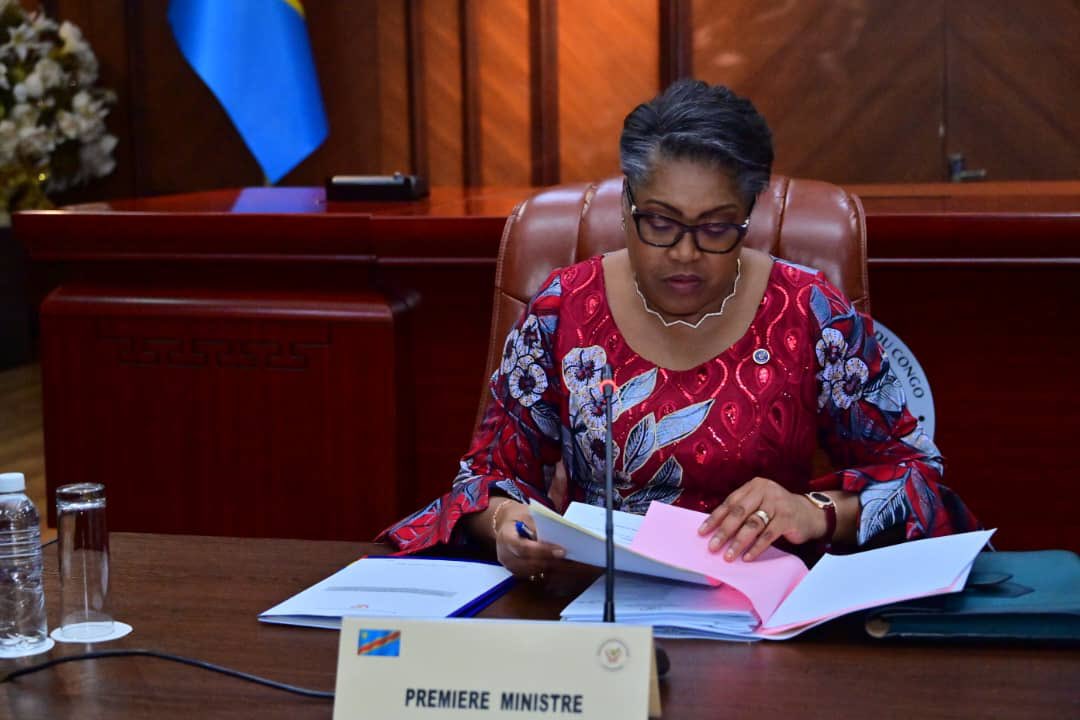
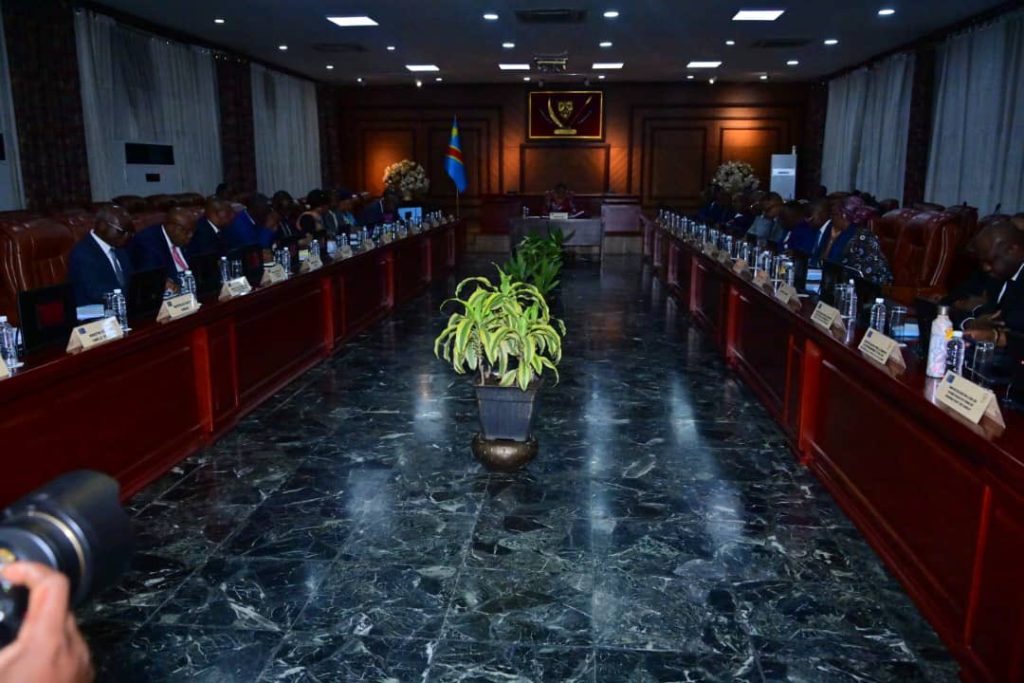
Deputy Prime Minister and Interior Minister Jacquemain Shabani Lukoo Bihango presented the developments during the 102nd ordinary meeting of the Council of Ministers on November 6, 2026, chaired by Prime Minister Judith Suminwa Tuluka at the African Union City.
On the political front, Shabani informed the council that the Council of State had ordered the dissolution of the PPRD on October 30, following an application by the Ministry of the Interior.
The decision was based on the alleged involvement of certain party officials in an insurrectionary undertaking, which was considered a serious violation of the laws governing political parties.
Shabani also reminded political parties that they must obtain prior government authorisation before engaging in any contact with enemy forces in occupied territories, in accordance with Article 192 of Book II of the Penal Code.
Nearly 25,000 herders identified
On security matters, the minister reported the results of operations conducted between August 24 and October 16, 2026, to identify Mbororo herders practising transhumance in the provinces of Haut-Uélé, Bas-Uélé and Nord-Ubangi.
The exercise identified 24,941 herders and their dependants, along with a total of 155,598 head of livestock, as part of the government’s efforts to regulate seasonal livestock movements.
According to the report, the identified herders were mainly nationals of the Central African Republic, numbering 12,906, and Chad, accounting for 11,964.
The findings were presented to the Council of Ministers as part of broader efforts to strengthen security oversight and regulate transhumance in the affected provinces.